
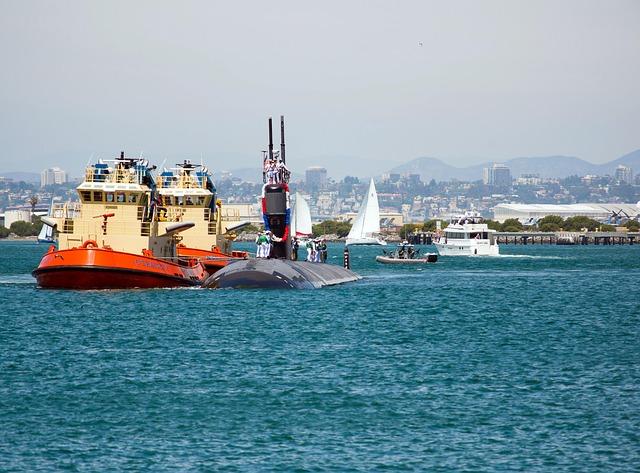
The United Kingdom has confirmed the deployment of military forces to deter Russian submarines from targeting undersea communications cables, Reuters reports. This move underscores growing concerns over the security of critical infrastructure amid escalating tensions between the West and Russia. Undersea cables, which carry the vast majority of global internet and telecommunications traffic, have become focal points in the emerging arena of geopolitical rivalry and defense strategy.
UK Deploys Military Forces to Protect Critical Undersea Communication Infrastructure
In a strategic move to bolster national security, the United Kingdom has initiated the deployment of military forces tasked with safeguarding key undersea communication cables against potential threats. This decision comes amid escalating concerns over Russian submarine activity suspected of targeting the vital infrastructure that underpins global internet and telecommunications networks. The Crown has underscored the importance of these undersea cables, which carry over 95% of international data traffic, making their protection a top priority for both domestic and international security.
The military deployment includes specialized naval units equipped for anti-submarine warfare, along with advanced surveillance systems to monitor underwater movements. Officials highlighted several critical points:
- Enhanced patrolling of key cable routes in the North Atlantic and surrounding waters
- Integration of intelligence from allied nations to track submarine incursions
- Collaboration with tech firms to improve cable resilience and rapid response capabilities
This coordinated effort is designed to deter hostile actions and ensure the uninterrupted flow of data essential to commerce, defense, and communication worldwide.
Analysis of Russian Submarine Threats to Undersea Cables and Implications for National Security
The recent deployment of British military forces underscores the increasing geopolitical significance of undersea cables, which carry over 95% of global internet traffic and critical communications. Russian submarine activity near these vital infrastructures raises alarms about potential sabotage or intelligence-gathering missions that could disrupt not only commercial data flow but also military command and control systems. Such emerging threats highlight the vulnerability of undersea cables to state-sponsored actions designed to weaken national resilience or exert pressure during conflicts.
Key implications for national security include:
- Increased risk of communication blackouts: Damage to fiber-optic cables can cripple emergency response coordination and financial transactions.
- Escalation of undersea military posturing: Submarine presence near cable routes signals a strategic contest beneath the waves, complicating existing deterrence frameworks.
- Need for enhanced surveillance and protection: Countries must invest in underwater monitoring technologies and rapid repair capabilities to mitigate threats.
Experts Advocate Enhanced Surveillance and International Cooperation to Safeguard Global Cable Networks
In light of recent developments, industry experts emphasize the urgent need for fortified monitoring systems and strengthened international collaboration to protect the vital undersea cable infrastructure that underpins global communications. These networks, carrying over 95% of international data, remain vulnerable to sabotage and espionage, particularly amid rising geopolitical tensions. Experts underscore that a multi-layered approach, incorporating real-time surveillance technology, improved threat intelligence sharing, and rapid response capabilities, is critical to counter sophisticated underwater threats posed by state and non-state actors alike.
Key recommendations from cybersecurity and maritime security specialists include:
- Deployment of advanced sensor arrays along critical cable routes to detect unauthorized submarine incursions.
- Establishment of multinational task forces to harmonize protective measures and coordinate emergency countermeasures.
- Investment in resilient cable design and repair capabilities to minimize downtime in the event of an attack.
- Enhanced legal frameworks to define and deter hostile actions against this essential global infrastructure.
With recent reports of military deployments signaling increased risks, these strategic priorities aim to foster a united front capable of deterring future threats and ensuring the uninterrupted flow of international communications.
The Way Forward
The UK’s deployment of military forces to protect undersea cables underscores the growing strategic importance of these critical infrastructures in national security. As tensions with Russia continue to influence geopolitical dynamics, safeguarding communication and data networks has become a priority for governments worldwide. This move signals an escalation in efforts to deter potential threats beneath the waves, highlighting the evolving nature of modern defense in an increasingly interconnected world. Authorities remain vigilant as they work to ensure the resilience of vital communication links that underpin global information flow.