
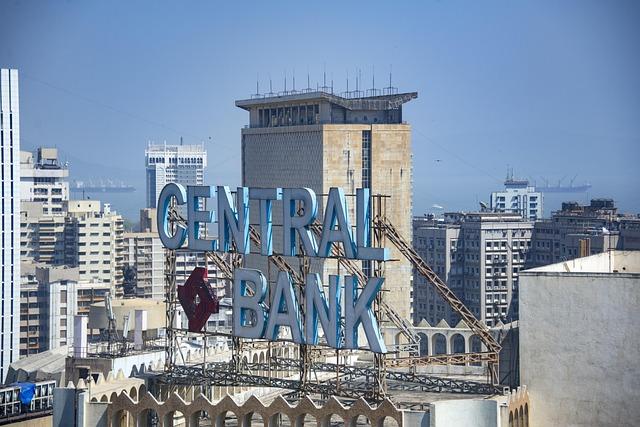
The Central Bank of Brazil has reported that stablecoins accounted for the majority of cryptocurrency transactions in the first quarter of 2024, with over $6.9 billion in crypto purchases registered across the country. This data highlights the growing preference for stablecoins among Brazilian investors amid the volatile digital asset landscape. As Brazil’s crypto market continues to expand, the dominance of stablecoins underscores a shift towards digital currencies that offer price stability and ease of use, marking a significant development in the nation’s evolving financial ecosystem.
Central Bank of Brazil Reports Surge in Stablecoin Transactions Amid Cryptocurrency Market Growth
The latest data released by the Central Bank of Brazil reveals a noteworthy shift in the country’s cryptocurrency landscape, with stablecoins accounting for a dominant share of over $6.9 billion in crypto purchases during the first quarter. This surge underscores stablecoins’ growing appeal as a preferred instrument for both retail and institutional investors seeking to minimize volatility risks while still capitalizing on blockchain’s efficiency. The report highlights that, as the Brazilian market expands, stablecoins are increasingly used for everyday transactions, cross-border payments, and as a bridge currency for other digital assets.
Among the factors driving this trend are:
- Greater regulatory clarity around digital asset use in Brazil
- Increased adoption of stablecoins for remittances and commerce
- Enhanced integration of stablecoins with traditional financial services
- Investor preference for less volatile crypto alternatives amid market fluctuations
Experts note the Central Bank’s observations emphasize an evolving ecosystem where stablecoins are not just speculative tools but vital components of Brazil’s digital finance infrastructure, paving the way for broader cryptocurrency acceptance in Latin America’s largest economy.
Analyzing the Impact of Stablecoins on Brazil’s Financial Ecosystem and Investor Behavior
The rapid growth of stablecoins has significantly reshaped Brazil’s financial landscape, particularly evident through the staggering $6.9 billion in crypto purchases registered in the first quarter. These digital assets, pegged to traditional currencies, offer Brazilian investors a much-needed stability amid the volatility of the broader crypto market. Notably, stablecoins have emerged as a preferred medium for both retail and institutional investors looking to hedge against inflation and currency fluctuations, as Brazil continues to grapple with economic uncertainties.
This new dynamic has prompted several shifts in investor behavior and market structures, including:
- Increased adoption of stablecoins for everyday transactions and cross-border remittances, streamlining financial operations.
- Enhanced liquidity in local crypto exchanges, fostering healthier trading ecosystems.
- Regulatory scrutiny from the Central Bank of Brazil, which is actively monitoring stablecoin integration to ensure systemic stability and consumer protection.
As the influence of stablecoins deepens, Brazil’s traditional financial institutions are also adapting by exploring blockchain-based payment solutions and partnerships with fintech startups, signaling a broader transformation in the country’s financial ecosystem.
Regulatory Recommendations for Enhancing Transparency and Security in Stablecoin Crypto Purchases
Amid the surge in stablecoin transactions surpassing $6.9 billion in Brazil during the first quarter, regulatory bodies are emphasizing the urgent need for comprehensive frameworks to enhance both transparency and security in these digital asset purchases. Experts advocate for implementing mandatory disclosure requirements for stablecoin issuers, ensuring clarity on reserve backing and operational mechanisms. Strengthening Know Your Customer (KYC) and Anti-Money Laundering (AML) protocols across exchanges handling these transactions is also seen as critical to mitigating illicit activities and protecting consumers.
Further proposals include:
- Regular audits of stablecoin reserves by independent third parties to verify asset backing in real-time.
- Standardized reporting obligations for platforms facilitating stablecoin trades to improve market monitoring.
- Enhanced cybersecurity measures to prevent hacking and fraud incidents.
- Collaboration between regulators and industry players to develop technological solutions for transaction traceability without compromising user privacy.
These steps aim to foster a safer environment for investors, reduce systemic risks, and promote greater confidence in Brazil’s rapidly expanding cryptocurrency ecosystem.
In Conclusion
As stablecoins continue to dominate the cryptocurrency landscape in Brazil, surpassing $6.9 billion in purchases during the first quarter, the Central Bank of Brazil’s recent data underscores the growing mainstream adoption of digital assets in the country. This trend highlights a shifting preference towards more stable and secure digital currencies amidst market volatility. As regulatory frameworks evolve, all eyes will remain on Brazil to see how these developments influence the broader crypto ecosystem in Latin America and beyond.