
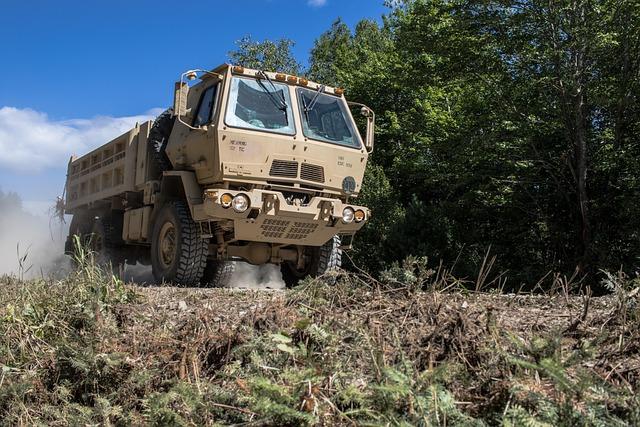
The presence of United States military bases in Germany remains a significant aspect of transatlantic defense cooperation decades after the end of the Cold War. As geopolitical tensions evolve and NATO adapts to new security challenges, questions persist about the role and rationale behind America’s continued military footprint on German soil. This article explores the historical origins, strategic imperatives, and political dynamics that underpin the US military presence in Germany, shedding light on its implications for both nations and the broader international order.
Strategic Importance of US Military Presence in Germany
The US military presence in Germany plays a crucial role in maintaining stability and projecting power across Europe and beyond. Positioned at the heart of NATO, American bases facilitate rapid deployment capabilities, ensuring that forces can respond swiftly to emerging threats in Eastern Europe, the Middle East, and Africa. This strategic foothold allows for seamless coordination with European allies, bolstering collective defense efforts and intelligence-sharing operations. Moreover, Germany’s central location and well-developed infrastructure make it an ideal hub for logistical support and military training exercises.
Beyond immediate defense needs, these installations serve as deterrents against potential aggression from rival powers, underpinning a broader geopolitical strategy. The presence of US troops also contributes to:
- Enhanced interoperability between American and allied forces through joint training programs
- Rapid crisis response capabilities in times of conflict or humanitarian emergencies
- Research and development collaborations in military technology and cybersecurity
In this way, the US bases act not only as military strongpoints but as vital nodes supporting diplomatic influence and long-term regional security architecture.
Historical Context Shaping Transatlantic Defense Agreements
Following the devastation of World War II, the geopolitical landscape of Europe was irrevocably altered. The United States emerged as a dominant military and economic power, intent on containing the Soviet Union’s influence during the Cold War. This era prompted a series of defense arrangements that anchored American military presence on European soil, particularly in Germany. The country’s strategic location as a frontline state against the Eastern Bloc made it an indispensable partner in NATO’s collective security framework. As a result, agreements such as the 1955 Paris Accords facilitated the establishment of enduring U.S. bases, serving both deterrence and rapid response functions amidst growing East-West tensions.
These military installations symbolize more than mere defense interests; they represent a broader commitment to transatlantic stability and political cooperation. The alliances forged during this period fostered shared intelligence, joint training programs, and mutual defense initiatives, embedding the United States deeply within European security dynamics. Key elements underpinning these agreements included:
- Mutual defense commitments: Ensuring that an attack against one NATO member would be considered an attack against all.
- Strategic positioning: Using German bases as pivotal hubs for rapid mobilization and logistical support.
- Political symbolism: Reinforcing Western unity and resolve against Soviet expansionism.
Even after the Cold War’s end, the legacy of these historical pacts continues to influence contemporary military cooperation, reflecting enduring priorities in global security and diplomatic relations.
Policy Recommendations for Future US-Germany Military Collaboration
To enhance the strategic value of US-Germany military cooperation, future efforts should prioritize increased interoperability and joint training exercises. These initiatives can ensure that forces are better prepared for unified responses to emerging global threats. Emphasizing technological integration, especially in cyber defense and intelligence sharing, will also strengthen the alliance’s resilience. Greater collaboration in research and development could lead to the deployment of cutting-edge military technologies, reinforcing both nations’ capabilities in an evolving security landscape.
Additionally, addressing the social and political dimensions of hosting foreign troops remains crucial. The US and German governments must engage local communities more transparently and foster mutual understanding to mitigate public concerns about sovereignty and environmental impact. A renewed focus on sustainability, including reducing the ecological footprint of bases, aligns with broader European priorities and can serve as a model for responsible military presence worldwide. Moving forward, a holistic approach that balances strategic necessity with diplomatic sensitivity will be key to sustaining this pivotal transatlantic partnership.
In Conclusion
In summary, the presence of US military bases in Germany remains a complex and multifaceted issue, rooted in historical alliances, strategic interests, and evolving geopolitical dynamics. As global security challenges continue to shift, the role of these bases underscores the enduring partnership between the United States and Germany, while also inviting ongoing debate about sovereignty, defense priorities, and regional stability. Understanding this relationship is key to grasping the broader contours of transatlantic security in the 21st century.