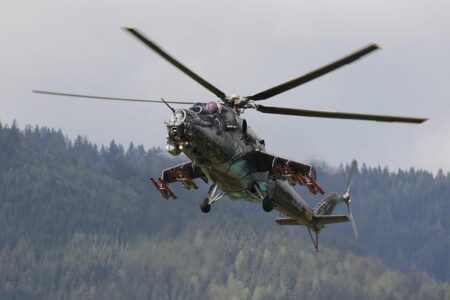

Italy’s defense budget is facing significant uncertainty as the government moves to implement program cuts in response to stringent European Union fiscal requirements. Amid mounting pressure to align military spending with EU budgetary rules, Rome is reassessing its defense commitments, sparking concerns over the future readiness and strategic capabilities of the Italian Armed Forces. This development comes at a critical time for European security, raising questions about Italy’s role within NATO and the broader geopolitical landscape.
Italy Faces Pressure to Reduce Defense Spending Amid EU Fiscal Rules
Italy’s government is facing intensified scrutiny from the European Union as it contemplates significant reductions in defense expenditure to comply with stringent fiscal regulations. The pressure stems from Brussels’ demands for member states to streamline budgets and curtail public debt growth, with Italy, one of the largest economies in the bloc, urged to adopt more disciplined spending practices. Officials have indicated that upcoming defense program cuts will primarily target procurement and modernization initiatives, potentially delaying critical upgrades and impacting Italy’s strategic military capabilities.
Key areas under review for potential budget adjustments include:
- Postponement of new weapons system acquisitions
- Scaling back joint multinational defense projects
- Reducing training exercises and operational deployments
- Limiting investment in defense research and development
Stakeholders in the defense sector warn that such measures could have long-term consequences on Italy’s role within NATO and the EU’s collective security framework. Meanwhile, government representatives emphasize the necessity of balancing fiscal responsibility with national security commitments in an increasingly complex geopolitical landscape.
Impact of Budget Cuts on National Security and Military Capabilities
The proposed reductions in Italy’s defense spending risk undermining the country’s strategic readiness at a critical juncture for European security. With geopolitical tensions escalating across multiple fronts, the ability to maintain advanced military capabilities and rapid deployment forces is paramount. Budget cuts could stall modernization programs, delay procurement of essential equipment, and strain operational effectiveness, potentially leaving Italy less equipped to contribute meaningfully to NATO missions and joint European defense initiatives.
Key areas likely to be affected include:
- Maintenance and upgrade schedules for air and naval fleets
- Research and development in cyber defense and unmanned technologies
- Training programs essential for troop preparedness and interoperability
- International collaboration and intelligence-sharing efforts
Observers warn that weakening military capabilities amid mandated fiscal tightening could lead to a prolonged ripple effect, jeopardizing Italy’s position as a credible security actor on the continental stage.
Experts Recommend Strategic Reallocation to Maintain Defense Readiness
With looming budget constraints imposed by stringent EU fiscal policies, defense analysts stress the necessity for Italy to adopt a more nuanced approach in allocating its military resources. Rather than across-the-board cuts, experts advocate for a targeted reallocation that prioritizes critical capabilities such as intelligence, cyber defense, and rapid response units. This strategic focus aims to sustain operational readiness without compromising the effectiveness of key defense assets.
Key recommendations from defense strategists include:
- Enhancing technological modernization: Investing in advanced systems to offset reductions in personnel.
- Streamlining procurement: Prioritizing multi-role platforms to maximize versatility.
- Boosting inter-agency collaboration: Leveraging joint operations to improve efficiency.
These measures, if implemented, could mitigate the impact of budget cuts while maintaining Italy’s strategic posture within NATO and the broader European security framework.
Concluding Remarks
As Italy grapples with mounting pressure to comply with stringent EU fiscal requirements, the defense sector faces an uncertain future. Proposed budget cuts signal a pivotal shift in national priorities, raising questions about the country’s ability to maintain its military readiness amid evolving regional security challenges. Stakeholders across government and defense industries will be watching closely as debates unfold, shaping not only Italy’s defense posture but also its role within broader European security frameworks.