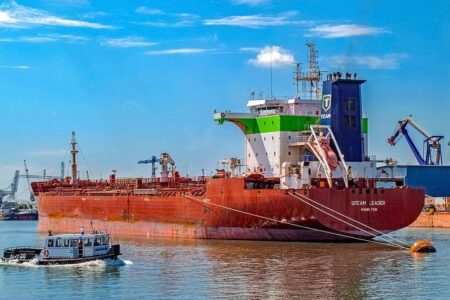
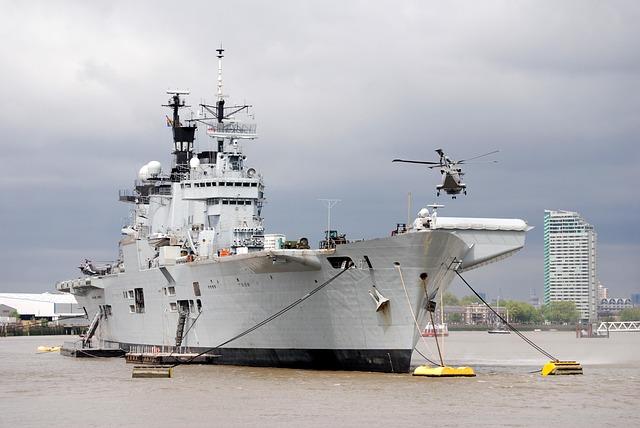
France has deployed its aircraft carrier to the Red Sea as part of a renewed effort to ensure the free flow of maritime traffic through the Strait of Hormuz, a vital chokepoint for global energy supplies. This strategic move underscores mounting international concerns over security in the region amid escalating tensions. The French naval presence aims to reinforce freedom of navigation and safeguard commercial shipping lanes critical to the global economy.
France Deploys Aircraft Carrier to Red Sea to Enhance Strait of Hormuz Security
France has dispatched its flagship aircraft carrier to the Red Sea as part of an intensified mission to ensure the free flow of maritime traffic through the vital Strait of Hormuz. This deployment underscores Paris’ commitment to regional stability amid escalating tensions and threats that jeopardize international shipping lanes critical to global energy supplies. The operation involves a coordinated effort with allied naval forces, aimed at deterring hostile activities and securing commercial vessels navigating one of the world’s most strategic chokepoints.
Key elements of the mission include:
- Surveillance and reconnaissance: Enhanced monitoring capabilities to detect and respond rapidly to potential threats.
- Maritime security patrols: Regular presence in key transit areas to assert navigational freedom.
- Collaborative exercises: Joint drills with regional and international partners to strengthen interoperability.
This deployment signifies France’s resolve to support the international community’s interests in maintaining open and safe sea routes, particularly as geopolitical tensions around the Strait persist. The aircraft carrier’s presence acts as both a strategic deterrent and a reassurance to commercial operators dependent on uninterrupted maritime passage.
Strategic Implications for Regional Stability and International Maritime Trade
The deployment of France’s aircraft carrier to the Red Sea marks a significant shift in the geopolitical dynamics of one of the world’s most strategically vital maritime corridors. By reinforcing naval presence near the Strait of Hormuz, Paris signals a robust commitment to safeguarding the uninterrupted flow of energy supplies and international trade routes. This move underscores growing concerns among global powers regarding regional tensions, particularly considering the Strait’s role as a chokepoint for approximately 20% of the world’s oil supply. France’s action illustrates a broader trend where maritime security is increasingly intertwined with protecting economic interests and maintaining a balance of power in volatile regions.
Several strategic factors amplify the implications of this naval deployment:
- Enhanced multinational cooperation: France’s presence is likely to encourage other nations to coordinate efforts, fostering a more unified approach against threats such as piracy, blockades, or military escalation.
- Deterrence against regional aggression: The carrier group’s capabilities serve as a powerful deterrent to hostile actors aiming to disrupt the maritime lane critical to global commerce.
- Protection of global energy markets: Securing passage through the Strait helps to stabilize oil prices and prevent supply shocks that could ripple through international economies.
- Influence on diplomatic leverage: France’s enhanced naval footprint in the region elevates its role as a key diplomatic player, reinforcing its strategic interests in Middle Eastern peace and security efforts.
This new posture by France not only shifts the tactical landscape but also sets the stage for evolving regional alliances and long-term maritime governance strategies.
Recommendations for Multinational Cooperation and Diplomatic Engagement in the Gulf
In light of escalating tensions around the Strait of Hormuz, multinational cooperation emerges as a crucial strategy to ensure the security and free flow of maritime traffic in this geopolitically sensitive zone. It is imperative that key stakeholders, including regional powers and global maritime nations, forge stronger alliances to conduct joint patrols and intelligence sharing. Collaborative frameworks should prioritize transparency and communication channels to preempt misunderstandings and manage crises effectively. The establishment of a multinational task force could serve as a stabilizing force, signaling unified resolve to discourage unilateral aggressive actions that threaten international shipping lanes.
Diplomatic efforts must complement these security measures by reinvigorating dialogue platforms focused on conflict resolution and trust-building. Engaging the Gulf Cooperation Council alongside global actors such as the European Union, the United States, and Asian stakeholders will be essential in crafting durable agreements that address underlying political grievances. Priorities should include:
- Negotiating binding maritime security protocols
- Facilitating confidence-building measures and de-escalation mechanisms
- Promoting economic cooperation to reduce strategic tensions
Such comprehensive engagement will not only enhance stability in the Gulf region but also secure vital global energy supplies for the foreseeable future.
Wrapping Up
France’s deployment of its aircraft carrier to the Red Sea marks a significant escalation in international efforts to ensure freedom of navigation through the strategically vital Strait of Hormuz. As tensions persist in the region, this move underscores Paris’s commitment to safeguarding global trade routes and supporting allied nations. Observers will be closely watching how this latest development influences the fragile security dynamics in the Gulf and the broader geopolitical landscape.