
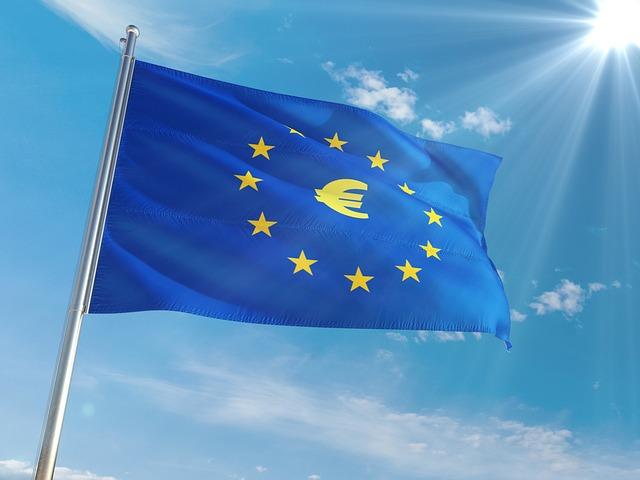
The much-anticipated India-European Union Free Trade Agreement (FTA) is set to reshape global commerce by encompassing one-third of world trade and impacting approximately two billion people, according to the Indian Commerce Ministry. This landmark deal aims to deepen economic ties between the two regions, promising significant opportunities for businesses, consumers, and economies on both sides. As negotiations gain momentum, stakeholders are closely watching the potential benefits and challenges this expansive agreement may bring to the international trade landscape.
India-EU Free Trade Agreement Set to Transform Global Commerce and Economic Ties
The landmark agreement between India and the European Union is poised to reshape the landscape of global commerce by integrating two of the world’s largest economies. Encompassing approximately one-third of worldwide trade and directly impacting over 2 billion people, this pact promises enhanced market access, tariff reductions, and streamlined regulatory frameworks. The Commerce Ministry emphasizes that businesses from both sides stand to benefit from reduced trade barriers, fostering a more competitive and dynamic economic environment.
Key features of the agreement include:
- Elimination of tariffs on a wide array of goods, boosting export potential
- Stronger intellectual property protections ensuring innovation and creativity are safeguarded
- Cooperation in sustainable development aligning economic growth with environmental commitments
- Facilitation of investments by simplifying procedural bottlenecks and enhancing transparency
Experts suggest that the pact could stimulate job creation, elevate consumer choices, and promote technological collaboration, positioning India and the EU as pivotal players in the evolving global trade ecosystem.
Key Economic Sectors Poised for Growth Under the New Trade Pact
The new trade agreement between India and the European Union is set to significantly bolster sectors that are critical to economic expansion and job creation. Among the most promising are the automotive and manufacturing industries, which stand to benefit from reduced tariffs and streamlined regulatory processes. This not only enhances export potential but also encourages foreign direct investment, fostering innovation and increasing competitiveness on the global stage. Additionally, the pharmaceutical and healthcare sectors are expected to expand, driven by facilitated access to markets and improved intellectual property protections, enabling faster deployment of medicines and medical technology.
Moreover, the pact is poised to unlock growth in several emerging industries that are aligned with sustainability and technological advancement. The renewable energy and green technology sectors will gain momentum as collaborative efforts between India and the EU escalate, focusing on cleaner energy solutions and environmental standards. Parallelly, the information technology and digital services segments are forecasted to thrive due to enhanced mobility provisions and data flow agreements, positioning both economies as leaders in the digital economy. Key benefits are anticipated to arise from:
- Improved market access and reduced tariffs
- Greater collaboration on research and development
- Strengthened regulatory cooperation
- Promotion of sustainable and inclusive growth initiatives
Policy Recommendations for Maximizing India’s Benefits from the EU Partnership
To fully harness the transformative potential of the India-EU Free Trade Agreement, policymakers must prioritize strategic areas that amplify mutual benefits. Emphasis should be placed on streamlining regulatory frameworks to ensure smoother market access for Indian businesses, particularly small and medium enterprises (SMEs), which stand to gain significantly from reduced tariffs and enhanced trade facilitation. Additionally, expanding cooperation in emerging sectors such as green technology, digital services, and pharmaceuticals will position India as a critical partner in the EU’s evolving economic landscape.
Further policy focus is essential on strengthening investment flows through robust dispute resolution mechanisms and transparent intellectual property rights protections to attract European capital and innovation. Empowering trade bodies to engage in continuous dialogue with industry stakeholders will enable the identification of bottlenecks and the design of adaptive measures. Key areas for targeted attention include:
- Enhancing logistics infrastructure to reduce export-import lead times
- Facilitating skill development aligned with EU market standards
- Promoting sustainable practices in supply chains to meet EU environmental benchmarks
- Deepening cooperation on standards harmonization and mutual recognition agreements
To Conclude
As negotiations for the India-EU Free Trade Agreement advance, the potential to reshape global commerce is becoming increasingly apparent. Covering nearly one-third of worldwide trade and impacting around 2 billion people, this deal stands to redefine economic partnerships and market access on an unprecedented scale. Stakeholders from both regions will be closely watching developments, aware that the agreement could set new standards for trade relations in the years to come.