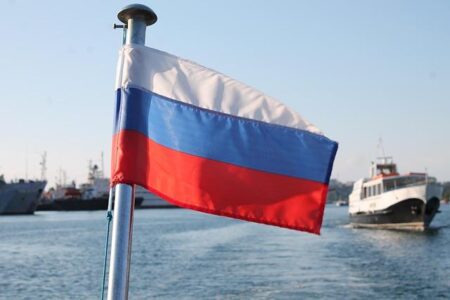

Tensions continue to escalate as both Russia and Ukraine accuse each other of breaching the recently declared 72-hour ceasefire, CBS News reports. The temporary halt in hostilities, intended to allow humanitarian aid to reach conflict-affected areas, has been marred by mutual allegations of violations, complicating efforts to ease the ongoing crisis. This latest breakdown highlights the deep mistrust between the two sides amid a conflict that shows little sign of abating.
Russia and Ukraine Exchange Blame Amid Reports of Ceasefire Breaches
Tensions remain high as both Moscow and Kyiv continue to accuse each other of violating the terms of the recently declared 72-hour ceasefire. According to official statements, alleged gunfire and artillery shelling were reported in multiple locations within the conflict zone, undermining efforts to establish a temporary humanitarian pause. Observers highlight that these breaches complicate ongoing diplomatic attempts to reduce hostilities and provide critical aid to civilians caught in the crossfire.
Key points emerging from the situation include:
- Russian authorities claim Ukrainian forces initiated attacks early in the ceasefire window, targeting strategic positions near the Donetsk region.
- Ukrainian officials counter that Russian troops have intensified shelling around populated areas, jeopardizing the safety of non-combatants.
- International monitors have reported sporadic but significant incidents, emphasizing the fragile nature of the agreed halt.
- Efforts to establish clear communication channels between the conflicting parties are ongoing, aiming to enforce compliance amid mounting distrust.
Impact of Ceasefire Violations on Civilian Safety and Humanitarian Aid Efforts
The ongoing violations of the 72-hour ceasefire have severely endangered civilian populations caught in the conflict zones. Reports from multiple humanitarian groups indicate that indiscriminate shelling and sporadic gunfire continue to disrupt daily life, forcing thousands to seek shelter in overcrowded facilities. The resulting insecurity has not only increased the number of casualties but has also instilled a pervasive fear among residents, further complicating evacuation and safety measures. In several areas, vital infrastructure such as schools, hospitals, and residential buildings have sustained damage, escalating the human toll and eroding any semblance of stability.
Humanitarian aid organizations are facing formidable challenges in delivering essential relief due to the unstable conditions created by the ceasefire breaches. The volatile environment has led to:
- Restricted access to affected communities, as ongoing hostilities pose risks to aid convoys and personnel.
- Delays and interruptions in the distribution of food, medical supplies, and shelter materials.
- Heightened logistical complexities in coordinating cross-border assistance efforts.
These factors not only undermine the effectiveness of humanitarian responses but also prolong the suffering of vulnerable populations dependent on timely aid. The accusations from both Russia and Ukraine over ceasefire violations point to a broader struggle to uphold commitments critical to civilian protection and relief operations.
Experts Call for Enhanced Monitoring and International Mediation to Enforce Truce
Amid ongoing disputes over ceasefire violations between Russia and Ukraine, international experts are highlighting the urgent need for more robust oversight mechanisms. Current monitoring efforts have been criticized for their limited scope and reliance on self-reporting, which experts say undermines transparency and accountability. Calls are growing louder for deploying an expanded, multinational peacekeeping team equipped with advanced surveillance technology to independently verify compliance on the ground. Such measures aim to build trust between the conflicting parties and provide real-time data to prevent further escalations.
In addition to enhanced monitoring, seasoned diplomats emphasize the role of unbiased international mediators to facilitate dialogue and reinforce commitments to the truce. They argue that seasoned third-party interventions can help de-escalate tensions by:
- Providing neutral platforms for negotiation
- Ensuring mutual understanding of ceasefire terms
- Addressing grievances that fuel mistrust
- Maintaining consistent communication channels
Experts warn that without a coordinated international approach, the ceasefire risks becoming another fragile pause rather than a step toward lasting peace.
In Summary
As the situation remains volatile, both Russia and Ukraine continue to trade accusations over violations of the agreed-upon 72-hour ceasefire, further complicating efforts toward a lasting resolution. International observers have called for renewed dialogue and adherence to ceasefire terms to prevent escalation and alleviate civilian suffering. The coming days will be critical in determining whether the fragile truce can hold or if hostilities will resume. CBS News will continue to monitor developments closely.