Mass protests have erupted across Argentina in response to President Javier Milei’s aggressive policy measures targeting public universities. Demonstrators from academic communities, students, and civil society organizations have taken to the streets in unprecedented numbers, decrying cuts to funding and threats to institutional autonomy. The mounting unrest underscores deepening tensions over the future of higher education in the country and highlights broader concerns about Milei’s neoliberal agenda. This report examines the unfolding crisis and its implications for Argentina’s public university system.
Mass Protests Sweep Argentina in Response to Milei’s University Policy Reforms
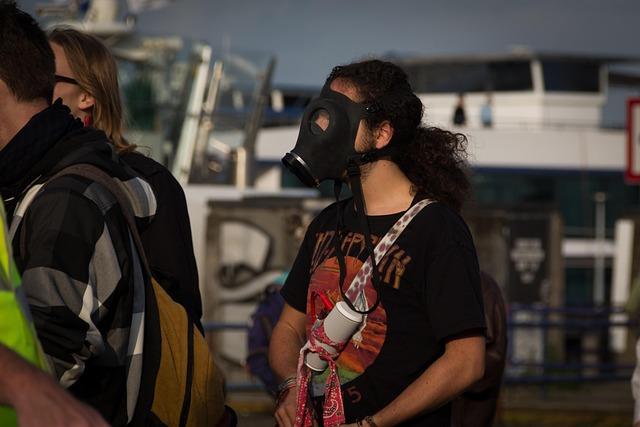
Thousands of students, educators, and union members flooded the streets of Buenos Aires this week, mobilizing in a coordinated effort to oppose the sweeping reforms introduced by President Javier Milei targeting Argentina’s public higher education system. Demonstrators voiced strong concerns over proposed budget cuts and the restructuring of university governance, which critics argue threaten academic freedom and access for marginalized communities. The wave of protests, which quickly spread to other major cities like Córdoba and Rosario, marked one of the largest displays of civil unrest since Milei took office.
Key demands from protesters include:
- Reinstatement of funding previously allocated to public universities
- Preservation of open enrollment policies
- Opposition to privatization and commercialization of higher education
- Protection of faculty and academic diversity
Educational unions warned that if the government proceeds without dialogue, it could trigger prolonged strikes and further disruptions to the academic calendar. Meanwhile, Milei’s administration maintains that the reforms are necessary to curb inefficiency and revamp the system, sparking a heated national debate about the future direction of Argentina’s educational landscape.
Analyzing the Impact of Budget Cuts on Public Higher Education and Academic Freedom
Recent budget cuts targeting public higher education in Argentina have ignited fierce resistance from students, faculty, and academic staff, who argue that these austerity measures threaten not only accessibility but also the very core of academic freedom. The slashed funding has led to diminished resources, reduced research opportunities, and layoffs, inevitably undermining the quality of education and the ability of universities to function as autonomous spaces for critical inquiry. Critics contend that this tightening of financial control is a deliberate maneuver to curtail dissenting voices and limit the scope of intellectual debate, effectively stifling challenges to the government’s agenda.
Amid widespread protests, key concerns have been highlighted:
- Institutional Autonomy: Universities fear increased governmental interference in curriculum and governance, compromising decades of academic independence.
- Research Restrictions: Funding shortages threaten groundbreaking projects, particularly in social sciences and humanities, which are often viewed skeptically by the administration.
- Access and Equity: Cuts disproportionately impact marginalized students, jeopardizing equal access to higher education across socioeconomic lines.
The ongoing mobilization underscores a broader struggle over the future of Argentina’s educational landscape, with many viewing the budget cuts as an assault not just on funding but on the democratic principles that universities uphold.
Advocates Call for National Dialogue and Increased Funding to Protect Argentina’s Public Universities
In response to recent government proposals threatening the stability of public higher education, advocates across Argentina are urging the administration to initiate a nationwide dialogue aimed at preserving the integral role of universities in society. Voices from academic circles, student organizations, and civil rights groups emphasize that universities are not merely educational institutions but fundamental pillars of democratic engagement and social equity. They call for transparent discussions involving all stakeholders to forge sustainable policies that ensure academic freedom and institutional autonomy remain intact.
Alongside calls for dialogue, there is a unified demand for increased public investment to counteract years of underfunding that have jeopardized research, infrastructure, and student support services. Key points highlighted by advocacy groups include:
- Boosting operational budgets to maintain quality education and competitive faculty salaries.
- Expanding scholarships and financial aid to widen access for marginalized communities.
- Safeguarding funding for scientific research critical to Argentina’s innovation and development.
Supporters argue these measures are vital not only for the survival of public universities but also for the broader socio-economic health of the nation.
The Conclusion
As mass protests continue to unfold across Argentina, the nation remains deeply divided over Milei’s proposed reforms targeting public universities. The widespread demonstrations underscore the contentious nature of the government’s agenda and highlight broader concerns about the future of public education in the country. Observers both within Argentina and internationally will be watching closely as the political struggle over these reforms plays out, with implications for democratic participation and academic freedom hanging in the balance.