
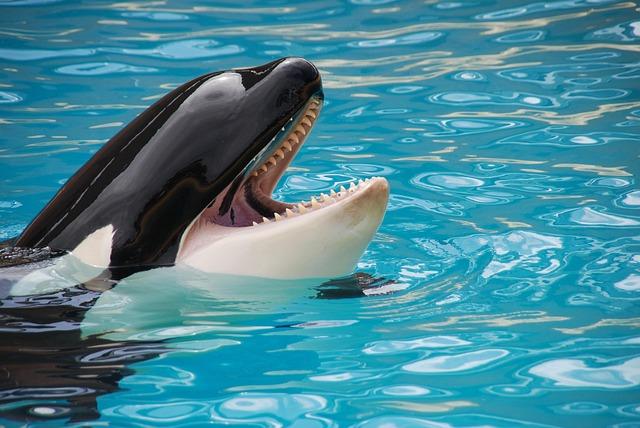
France is set to relocate its captive orcas from Marineland in Antibes to a new facility in Spain ahead of the summer season. This move, announced by animal welfare authorities and Marineland management, aims to provide improved living conditions for the orcas and address ongoing concerns about marine mammal captivity. The transfer marks a significant development in the management of captive orcas in Europe, drawing attention to the broader debate over the ethics and future of marine parks.
France to Relocate Marineland Orcas to Spain Amid Growing Animal Welfare Concerns
In a landmark decision reflecting mounting public and international pressure, French authorities have confirmed the relocation of several orcas from Marineland, one of Europe’s largest marine parks, to a specialized facility in Spain. The move aims to address increasing concerns raised by animal rights activists regarding the living conditions and psychological wellbeing of the captive orcas. Experts emphasize that the new facility, located along the Spanish Mediterranean coast, offers significantly enhanced habitats designed to simulate the orcas’ natural environment, featuring larger pools and enriched social settings.
Key aspects of the relocation include:
- Implementation of advanced veterinary care and regular health monitoring programs.
- Commitment to reducing stress through gradual acclimation to new surroundings.
- Collaborative oversight involving French and Spanish animal welfare organizations.
This unprecedented cross-border effort sets a new standard for the treatment of captive marine mammals and could serve as a blueprint for similar future initiatives across Europe.
Experts Highlight Challenges and Benefits of Orca Transfer Between Marine Parks
Marine mammal experts emphasize that relocating orcas between marine parks is a complex operation packed with both hurdles and opportunities. Among the primary challenges are ensuring the animals’ physical health during transit and minimizing stress in an unfamiliar environment. Transporting large marine mammals like orcas requires specialized equipment and veterinary oversight, while the adaptation to new social groups and habitats can impact their behavior and well-being. Furthermore, experts underline the importance of monitoring water quality, diet adjustments, and social dynamics once the whales arrive at their destination to facilitate a smooth transition.
On the other hand, this transfer offers significant benefits that could enhance the orcas’ quality of life. For instance, moving to a facility with improved conditions or more spacious tanks can promote better overall health and enrichment opportunities. Experts also highlight potential gains in genetic diversity and breeding programs that help sustain captive populations responsibly. Additionally, the relocation may serve educational and conservation purposes by raising public awareness and support for marine mammal protection.
Key considerations include:
- Comprehensive health assessments before, during, and after the move
- Careful socialization plans to integrate orcas with resident groups
- Staff training on species-specific needs and emergency protocols
- Long-term monitoring to track physical and psychological adaptation
Recommendations for Ensuring Smooth Transition and Long-Term Welfare of Captive Orcas
To facilitate a seamless relocation and safeguard the wellbeing of the Marineland orcas, it is crucial to implement a comprehensive plan that prioritizes their physical and psychological health. Experts emphasize the need for gradual acclimatization to their new environment in Spain, ensuring minimal stress during transport and adjustment phases. This includes controlled exposure to new sounds, water conditions, and social dynamics within their new pod to foster strong bonds and a supportive community structure.
Key recommendations for a successful transition focus on:
- Employing experienced marine mammal veterinarians and behavioral specialists to oversee health and welfare.
- Providing enriched habitats that mimic natural conditions as closely as possible, including ample space for exercise and social interaction.
- Implementing continuous monitoring to track physical health, behavior changes, and stress indicators.
- Engaging in public education efforts to promote awareness of ethical captive care and the importance of conservation.
Long-term welfare also demands a commitment to transparent reporting and ongoing research to refine care protocols. Collaboration between French and Spanish marine institutions will be vital in sharing knowledge and resources, ultimately setting new standards for the treatment of captive orcas within Europe.
Final Thoughts
As preparations continue for the transfer of Marineland’s orcas to a new facility in Spain, the move marks a significant shift in the management of these marine mammals. Authorities and animal welfare groups alike will be closely monitoring the relocation to ensure the well-being of the animals throughout the process. With the transfer scheduled before the summer months, all eyes remain on Marineland and its partners as they navigate the complex logistics of this high-profile operation. Further updates are expected in the coming weeks as the orcas settle into their new environment.