
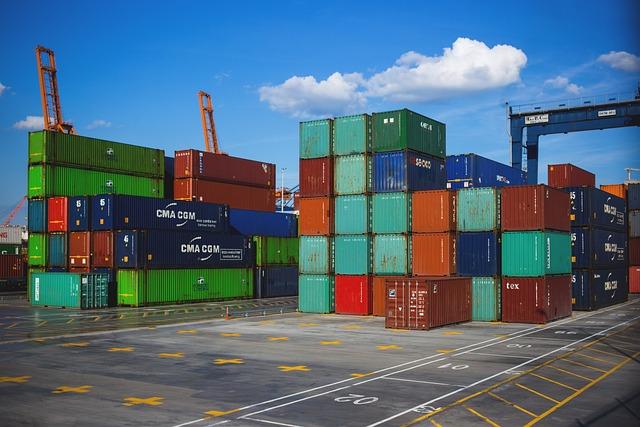
India has announced immediate restrictions on the import of certain silver products, aiming to address trade imbalances and bolster domestic industries, Reuters reports. The new measures come as part of the government’s broader efforts to tighten controls on precious metal imports amid rising global demand and fluctuating prices. This move is expected to impact traders and manufacturers reliant on silver supplies, while signaling India’s strategic approach to managing its foreign exchange reserves and trade deficits.
India Tightens Silver Import Regulations to Curb Market Volatility
The Indian government has implemented stringent measures targeting specific categories of silver imports, aiming to stabilise the domestic market amid concerns over price fluctuations and supply inconsistencies. These new regulations mandate enhanced documentation and compliance checks for importers, with a particular focus on raw silver consignments. Authorities have highlighted the necessity of these steps to prevent market manipulation and to safeguard the interests of local manufacturers who rely heavily on imported raw materials.
Key aspects of the updated framework include:
- Immediate suspension of certain silver import licenses pending review.
- Stringent certification requirements for import consignments to validate source and quality.
- Increased tariffs on select categories to discourage speculative trading.
Market analysts suggest that while these measures might lead to short-term supply constraints, they are expected to contribute to long-term price stability and improved traceability within India’s precious metals sector.
Impact on Domestic Silver Industry and Global Trade Dynamics
The Indian government’s sudden restriction on select silver imports is poised to significantly bolster the domestic silver industry. Local manufacturers and refiners could experience an uptick in demand as the supply from traditional foreign sources tightens, encouraging increased local production and investment. This move is expected to reduce dependence on imported silver, potentially leading to enhanced self-reliance in the precious metals sector. Analysts suggest that smaller traders and artisans, who form a substantial part of India’s silver market, may benefit from stabilized prices and improved access to domestically sourced materials.
On the international stage, these import curbs could reshape global trade routes and commodity flows, with major silver-exporting countries seeking alternative markets to compensate for lost demand from India. Key impacts include:
- Realignment of trade partnerships: Exporters in countries like Mexico and Peru might pivot towards East Asian and European buyers.
- Volatility in global silver prices: Reduced Indian imports could tighten supply chains, influencing price fluctuations on commodity exchanges.
- Strategic stockpiling: Both exporters and importers might adjust inventory strategies to mitigate short-term trade disruptions.
The ripple effects of this policy change underline India’s growing influence in the precious metals market and reflect shifting priorities in global trade dynamics.
Recommendations for Traders and Investors to Navigate New Import Restrictions
Traders and investors should adopt a cautious approach amid the newly implemented import restrictions on silver by India. Staying informed on regulatory updates is crucial, as the restrictions aim to stabilize domestic markets and control influxes that could disrupt pricing. Market participants are advised to reassess their exposure to silver imports, diversify portfolios, and consider hedging strategies to mitigate potential volatility. Engaging with local suppliers and exploring alternative sourcing routes within permissible frameworks could also provide strategic advantages.
Key tactics to consider include:
- Monitoring commodity price movements closely to anticipate market reactions.
- Consulting with trade compliance experts to ensure all transactions align with new policy guidelines.
- Leveraging forward contracts and options to manage price risk effectively.
- Evaluating inventory management to avoid overstocking in uncertain market conditions.
- Exploring opportunities in domestic silver refining and processing sectors to reduce dependency on imports.
Insights and Conclusions
The Indian government’s move to restrict select silver imports reflects ongoing efforts to manage trade deficits and stabilize the domestic market. As the new restrictions take effect immediately, industry stakeholders will be watching closely to assess the impact on supply chains and pricing. Further updates are expected as authorities provide additional guidance and market responses develop.