
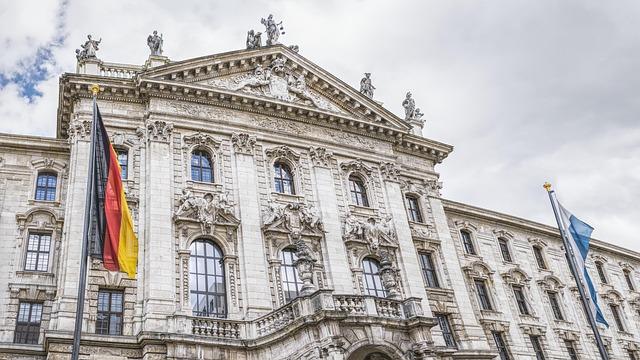
A Brazilian court is set to decide the fate of Belo Sun’s controversial gold mining project in the Amazon, determining whether the operation will remain suspended amid mounting environmental and social concerns. The ruling, closely watched by environmentalists, indigenous groups, and industry stakeholders, comes after months of legal battles over the mine’s impact on one of the world’s most sensitive ecosystems. As the Amazon continues to face unprecedented deforestation and degradation, the court’s decision could set a significant precedent for future resource extraction projects in the region.
Brazilian Court Reviews Environmental Impact Concerns in Belo Sun Gold Mine Case
The Brazilian judiciary is currently evaluating critical environmental impact concerns tied to the Belo Sun gold mining project, which has been a subject of intense scrutiny due to its proximity to the Amazon rainforest. Environmental groups and indigenous communities argue that the mine threatens biodiversity, disrupts river ecosystems, and jeopardizes the livelihoods of local populations. At the heart of the debate is whether the project’s approval processes adequately accounted for these risks or if further suspension measures should remain in place to prevent irreversible damage.
Key points under judicial review include:
- Compliance with environmental regulations: Whether Belo Sun adhered to Brazil’s stringent laws designed to protect sensitive ecological zones.
- Impact on indigenous lands: The extent to which the mine affects the rights and territories of native communities.
- Long-term ecological consequences: Potential deforestation, water contamination, and habitat loss linked to mining activities.
The court’s forthcoming decision is expected to set a precedent for balancing economic development with environmental stewardship in the Amazon region, signaling to investors and activists alike the weight Brazil places on sustainable practices.
Assessing the Potential Consequences for Local Communities and Amazon Biodiversity
The proposed gold mining project by Belo Sun has ignited serious concerns among environmentalists and indigenous communities, who fear irreversible damage to the Amazon’s delicate ecosystems. The mine’s potential to disrupt local water sources and deforest substantial tracts threatens not only the rich biodiversity but also the traditional lifestyles of nearby communities dependent on the forest’s resources. Experts warn that the extraction activities could lead to soil erosion, mercury contamination, and the collapse of habitats essential for endangered species, amplifying the region’s vulnerability to climate change.
Local residents and advocacy groups have voiced opposition highlighting several critical risks, including:
- Displacement of indigenous populations who rely on the forest for sustenance and cultural identity.
- Loss of biodiversity hotspots that harbor countless endemic and threatened species.
- Contamination of waterways that supply clean water for communities and wildlife alike.
- Disruption of ecological balance with far-reaching impacts beyond the immediate region.
The ruling will not only determine the mine’s operational status but also set a precedent for balancing economic interests against urgent environmental and social imperatives in the Amazon.
Legal Experts Urge Comprehensive Evaluation Before Final Decision on Mine Suspension
Legal experts emphasize the necessity of a thorough and multifaceted review before any conclusive verdict is reached regarding the suspension of Belo Sun’s gold mining operations in the Amazon. The mine’s potential impact on indigenous territories, local ecosystems, and regional economies demands an evaluation that transcends immediate economic interests. Experts argue that a decision must be grounded in comprehensive assessments encompassing environmental regulations, social implications, and long-term sustainability concerns.
Prominent voices in the legal sphere outline key considerations that the court should address, including:
- Environmental impact studies verifying adherence to Brazil’s rigorous protection laws for the Amazon rainforest;
- Indigenous rights and consultations aligning with constitutional and international human rights standards;
- The company’s compliance history and transparency in operational procedures;
- Economic repercussions for local communities reliant on both mining and conservation efforts.
This multidimensional scrutiny is seen as vital to ensuring that any judicial outcome balances development with environmental stewardship and social justice.
In Conclusion
As the Brazilian court prepares to deliver its ruling on the future of Belo Sun’s controversial Amazon gold mine, stakeholders across environmental, indigenous, and business sectors await the decision with keen interest. The outcome will not only shape the fate of a major mining project but also set a precedent for how Brazil balances economic development with environmental preservation and indigenous rights in the Amazon. Further updates will follow as the story develops.