
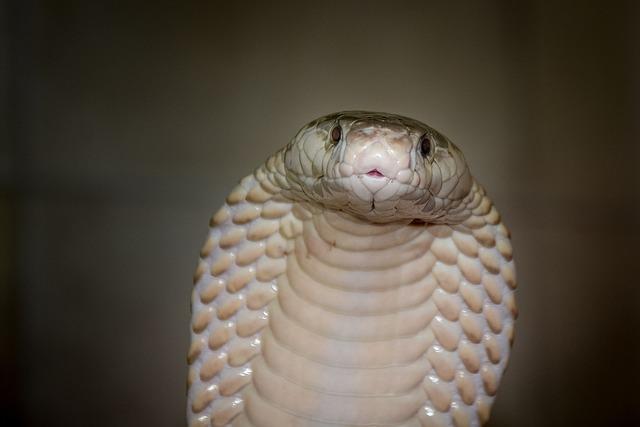
In a startling encounter that underscores the frequent proximity between humans and wildlife in India, an Indian cobra was discovered inside a grandparents’ house before being safely captured by a professional snake catcher for relocation. The incident, reported by Yahoo, highlights both the challenges and the importance of expert intervention in managing snake-human encounters, especially in residential areas where such occurrences can cause alarm and pose significant risks. Authorities and locals alike emphasize caution and the need for prompt, humane handling to ensure the safety of both residents and the reptile.
Indian Cobra Discovered Inside Grandparents Home Sparks Urgent Safety Measures
In a startling encounter, an Indian cobra was discovered lurking inside a family home, prompting immediate action to ensure the safety of the residents. The reptile was spotted by the unsuspecting grandparents, who quickly contacted local wildlife authorities. The swift response led to a trained snake catcher arriving promptly to safely capture and relocate the venomous species to a nearby forested area, minimizing danger to the household and neighborhood.
Key safety measures highlighted following the incident include:
- Regular inspection of living spaces, particularly dark and undisturbed areas such as attics, basements, and garages.
- Sealing cracks and openings around doors and windows to prevent entry of snakes and other wildlife.
- Keeping the surroundings clean and free of debris, which can attract rodents and in turn, snakes.
- Educating family members on what to do if they encounter a snake indoors.
Experts Detail How to Identify and Handle Snake Encounters in Residential Areas
When snakes, particularly venomous species like the Indian cobra, are found within residential areas, experts emphasize the importance of staying calm and maintaining a safe distance. Immediate attempts to catch or corner the snake are strongly discouraged, as sudden movements may provoke defensive strikes. Instead, residents should alert trained professionals-such as local snake catchers or wildlife officials-who possess the necessary experience and equipment to handle these situations safely. Keeping pets and children away from the area until the snake is removed is also critical to prevent accidents.
Experts recommend the following precautions for identifying and managing snake encounters:
- Observe from a distance: Note distinctive markings, size, and behavior without approaching.
- Secure the surroundings: Close doors and windows to contain the snake in a single area.
- Contact authorities immediately: Reach out to certified snake rescuers or local wildlife departments.
- Educate household members: Familiarize everyone with basic snake identification and safety protocols.
Adhering to these guidelines can significantly reduce the risk of harm and facilitate the safe relocation of snakes back to their natural habitats. In densely populated regions where human-wildlife interfaces are common, community awareness and prompt professional intervention remain key strategies in managing such encounters effectively.
Snake Catcher Successfully Captures and Relocates Venomous Cobra to Prevent Future Incidents
In a swift and skillful operation, a local snake catcher safely removed a venomous Indian cobra found inside the home of elderly residents in a rural village. Responding promptly to an emergency call, the expert employed specialized tools and techniques to avoid harm, demonstrating both precision and calmness under pressure. The residents were unharmed but understandably shaken by the unexpected intrusion of the deadly reptile in their living space.
Key details of the relocation process included:
- Careful identification of the species to ensure proper handling protocols were followed
- Use of a snake hook and secure bagging methods to prevent escape
- Safe transportation to a nearby forested area known to support cobra populations
- Community education on snake safety measures to minimize future encounters
This successful relocation not only averted danger but also underscored the importance of professional intervention in wildlife encounters. Authorities continue to encourage residents to report snake sightings promptly and to take preventive steps, such as keeping homes free of debris and sealing entry points to reduce the risk of such incidents.
To Conclude
The safe capture and relocation of the Indian cobra underscore the importance of prompt and professional intervention in wildlife encounters within residential areas. Authorities continue to remind residents to stay cautious and report such sightings promptly to ensure both human safety and the well-being of the animals. This incident serves as a reminder of the coexistence challenges faced in regions where wildlife habitats intersect with human settlements.