
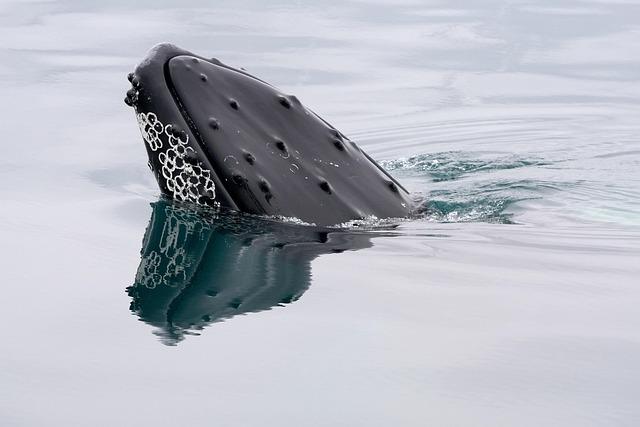
Two humpback whales have set new records for long-distance travel, swimming an astonishing route between Australia and Brazil, according to a recent report by KSAT. Researchers tracking these marine giants revealed unprecedented migration patterns, shedding light on the remarkable endurance and navigational abilities of humpback whales. This discovery provides valuable insights into whale behavior and the challenges they face across vast oceanic expanses.
Humpback Whales Achieve Unprecedented Migration Between Australia and Brazil
In a groundbreaking discovery that has captivated marine biologists worldwide, two humpback whales have completed an extraordinary migration between the coastal waters of Australia and Brazil, covering a distance previously undocumented for the species. Equipped with satellite tags, researchers tracked these leviathans as they navigated a route spanning over 13,000 kilometers, challenging longstanding assumptions about humpback whale migratory patterns. This journey not only emphasizes the whales’ remarkable endurance but also highlights the interconnectedness of marine ecosystems across the Southern Hemisphere.
The implications of this unprecedented migration are significant for conservation efforts. Experts note several key points:
- New migratory corridors: The discovery suggests humpbacks utilize previously unknown pathways, potentially exposing them to different environmental threats and human activities.
- Genetic diversity: Intercontinental travel may facilitate genetic exchange between populations traditionally thought to be isolated.
- Climate impact insights: Changing oceanic conditions could influence whale behaviors and habitats, making such studies critical for future protection plans.
As tracking technology advances, scientists anticipate more revelations about the enigmatic journeys of these majestic giants of the ocean.
Tracking the Journey Reveals New Insights Into Whale Navigation and Endurance
Recent tracking data from two humpback whales has revolutionized our understanding of their migratory routes, revealing the extraordinary endurance these marine giants possess. By monitoring their movements using satellite tags, researchers observed not only the remarkable distances covered-spanning thousands of kilometers between Australian and Brazilian waters-but also intricate navigation strategies previously undocumented. These findings suggest that humpbacks rely on a complex combination of environmental cues, including ocean currents, magnetic fields, and even the Earth’s geomagnetic properties, enabling them to maintain precise trajectories over vast, featureless expanses of open ocean.
Key insights emerging from the journey include:
- The ability of humpbacks to sustain near-continuous swimming for weeks, demonstrating exceptional physical stamina.
- Adaptations in migratory timing that may correspond to seasonal shifts in sea temperature and prey availability.
- Behavioral adjustments during long-distance swims that minimize energy expenditure, such as varying swimming speeds and resting intervals.
These revelations not only highlight the whales’ impressive biological capabilities but also raise important considerations for marine conservation efforts, especially as changing ocean conditions threaten traditional migratory corridors.
Experts Recommend Enhanced Marine Protection Along the Migration Corridor
Marine biologists and conservationists are urging immediate steps to safeguard the vast migration corridor utilized by two record-setting humpback whales traveling from Australia to Brazil. These awe-inspiring journeys highlight the urgent need to address increasing threats such as ship strikes, entanglement in fishing gear, and habitat degradation along their route. Experts emphasize that current protections are insufficient given the whales’ extensive travel distance, spanning thousands of miles across open oceans where human activities continue to expand.
Key recommendations from experts include:
- Expanding marine protected areas (MPAs) to cover critical feeding and breeding grounds
- Implementing stricter shipping lane regulations to reduce collision risks
- Enhancing international cooperation for coordinated monitoring and enforcement efforts
- Investing in technology to track whale movements in real-time and alert vessels accordingly
By adopting these measures, scientists believe the chances of preserving humpback whale populations and maintaining the ecological balance of these oceanic regions will improve significantly.
Concluding Remarks
The extraordinary journey of these two humpback whales not only sets new records for endurance and navigation but also offers valuable insights into marine migration patterns. As researchers continue to monitor their movements, this remarkable feat underscores the importance of international collaboration in marine conservation efforts. These findings remind us of the vast and interconnected nature of our oceans, highlighting the need to protect these majestic creatures and their critical habitats for generations to come.