
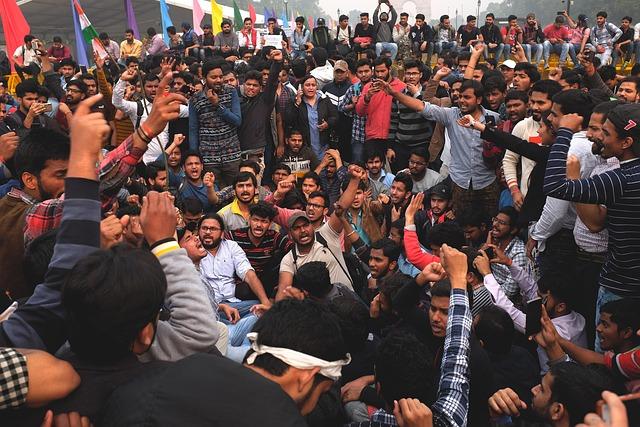
One year after their brief but intense border clash, India and Pakistan remain on edge, with tensions simmering beneath a fragile facade of diplomacy. Despite sporadic talks and calls for peaceful resolution, recent developments suggest that the longstanding rivalry between the two nuclear-armed neighbors could easily reignite. This article examines the current state of affairs between India and Pakistan, exploring political, military, and diplomatic indicators to assess how close the region stands to another confrontation.
Rising Tensions Along the Border Reveal Fragile Peace
Recent developments along the India-Pakistan border underscore the precarious nature of their ceasefire. Reports of increased troop movements, cross-border shelling, and retaliatory strikes have reignited fears that diplomatic efforts might soon be overshadowed by renewed hostilities. Analysts suggest that while both nations publicly advocate for peace, underlying political pressures and unresolved territorial disputes continue to strain relations. The fragile calm has been punctuated by inflammatory rhetoric from both sides, further complicating any path toward lasting stability.
Key factors contributing to escalating tensions include:
- Heightened military patrols and surveillance activities along disputed areas.
- Intermittent artillery exchanges resulting in casualties on both sides.
- Diplomatic stalemates aggravated by nationalistic posturing.
- External influences and regional dynamics amplifying mutual mistrust.
With the anniversary of their last conflict serving as a stark reminder, international observers advocate for renewed dialogue and confidence-building measures. The immediate challenge lies in balancing deterrence with diplomacy to prevent a slide back into large-scale confrontation.
Diplomatic Efforts and Confidence-Building Measures Show Mixed Results
In the year following their short but intense conflict, India and Pakistan have engaged in a series of diplomatic dialogues aimed at reducing tensions. These efforts have included reopening certain communication channels, proposing joint border patrols, and reviving cross-border trade initiatives. However, progress remains uneven, with both sides often reverting to entrenched political postures. The resumption of talks has been sporadic, and key issues such as Kashmir continue to drive deep mistrust, undermining sustained cooperation.
Notable confidence-building measures include:
- Exchange of prisoner lists to facilitate releases
- Agreements to avoid unprovoked ceasefire violations
- Renewed people-to-people programs through visa relaxations
Despite these initiatives, the impact on the ground has been limited, as border skirmishes and inflammatory rhetoric from political leaders and media persist. Analysts suggest that without addressing the core disputes and fostering a genuine political commitment, these diplomatic gestures risk remaining symbolic rather than transformative, leaving the subcontinent precariously close to renewed hostilities.
Experts Call for Sustained Dialogue and Enhanced Communication Channels
In the fragile aftermath of last year’s hostilities, experts emphasize that the path to lasting peace between India and Pakistan hinges on sustained dialogue and the establishment of robust communication frameworks. Several analysts suggest that without continuous diplomatic engagement, the risk of misunderstandings escalating into open conflict remains alarmingly high. These experts advocate for the reopening and regular use of existing backchannels while pushing for the creation of new forums where grievances can be openly aired and de-escalation mechanisms promptly activated.
Key recommendations put forward in recent discussions include:
- Revitalizing cross-border hotlines to ensure immediate communication during crises
- Institutionalizing bilateral talks focused on confidence-building measures
- Engaging third-party mediators to facilitate trust and impartial negotiations
- Enhancing people-to-people contacts to foster mutual understanding beyond political rhetoric
Experts argue that these steps are vital not only to prevent another outbreak of violence but also to slowly chip away at decades of mistrust. Without such initiatives, the cycle of confrontation threatening the stability of South Asia may well be reignited.
In Retrospect
As the one-year anniversary of the brief Indo-Pak conflict passes, the bilateral relationship remains fragile, marked by enduring mistrust and unresolved disputes. While diplomatic channels have shown occasional signs of thaw, the underlying tensions over Kashmir and cross-border security challenges continue to pose significant risks. Analysts caution that without sustained dialogue and confidence-building measures, the possibility of renewed hostilities cannot be dismissed. For now, both nations appear to be navigating a cautious path, balancing deterrence with diplomacy as the region watches closely for signs of escalation or reconciliation.