
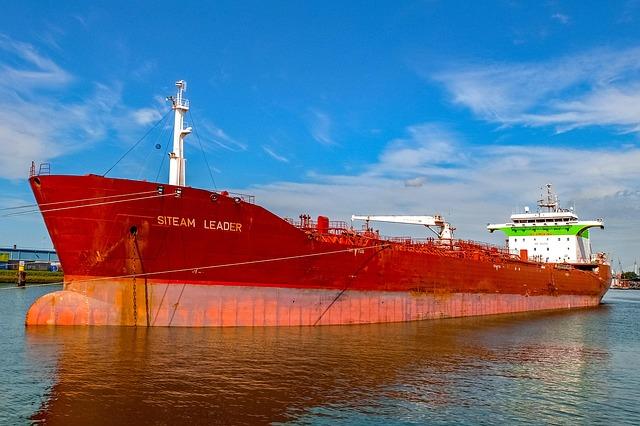
A newly unveiled draft policy on Australia’s liquefied natural gas (LNG) sector has sparked immediate backlash from industry stakeholders, Reuters reports. The proposed regulations, aimed at tightening government oversight and boosting domestic energy security, have been criticized by major LNG producers for potentially undermining investment and operational certainty. As Australia positions itself amid shifting global energy dynamics, the controversy highlights the challenging balance between national interests and market confidence in one of the world’s largest LNG exporters.
Industry Pushback Intensifies as Draft Australian LNG Policy Sparks Concerns
Major players in the Australian liquefied natural gas sector have voiced strong opposition to the recent draft policy released by the government. Industry leaders warn that the proposed regulations could severely impact operational efficiency and investment attractiveness, potentially leading to decreased output and job losses. Key concerns focus on stringent emissions targets and mandatory compliance measures perceived as unattainable within proposed timelines.
Critics emphasize several problematic aspects of the draft, including:
- Unclear frameworks for carbon offsetting that may increase costs unpredictably
- Regulatory overlap between federal and state bodies causing administrative burdens
- Potential restrictions on export volumes that risk undermining Australia’s global market position
Industry bodies are calling for urgent consultations to revise the policy, arguing that collaboration is essential to balance environmental goals with economic viability.
Economic and Environmental Implications of Proposed Regulations Explored
The proposed regulations have sparked intense debate over their potential ripple effects across both economic and environmental spheres. Industry leaders warn that stringent measures could significantly increase operational costs for LNG exporters, potentially hampering Australia’s competitiveness in the global market. Key concerns include:
- Increased compliance expenses that may deter investment and delay project timelines
- Potential job losses in regions heavily dependent on LNG production and export
- Reduced export volumes that could affect national revenue and trade balances
On the environmental front, proponents argue that tighter controls are essential for Australia to meet its climate goals and reduce greenhouse gas emissions. The policy focuses on reducing methane leaks and enhancing monitoring systems, which advocates say will create a more sustainable energy sector. Environmental benefits highlighted include:
- Lower carbon footprint associated with LNG production
- Improved transparency through mandatory emissions reporting
- Promotion of cleaner technologies incentivized by regulatory frameworks
Experts Call for Balanced Approach to Support Growth and Sustainability in LNG Sector
Industry leaders and policy experts have expressed concern over recent drafts of Australia’s liquefied natural gas (LNG) strategy, emphasizing the necessity to strike a balance between ambitious economic growth and environmental responsibility. The proposed measures, critics warn, risk hampering investment and innovation in one of the country’s most critical export sectors. A number of stakeholders argue that a myopic focus on stringent emission targets, without adequate support mechanisms, could undermine Australia’s competitive edge in the global LNG market.
Experts advocate for a framework that incorporates:
- Incentives for cleaner technologies: Encouraging adoption of low-carbon solutions through subsidies and tax relief.
- Collaborative research partnerships: Aligning industry and government efforts to develop sustainable extraction and processing methods.
- Flexible regulatory timelines: Allowing companies time to meet environmental benchmarks without disrupting ongoing projects.
Such measures, they argue, would foster a resilient LNG sector capable of supporting Australia’s economic ambitions while meeting international climate commitments.
In Conclusion
As the Australian government moves forward with its draft LNG policy, industry stakeholders remain vocal in their criticism, warning that the proposed regulations could hamper investment and competitiveness in a pivotal sector. With Australia poised to maintain its role as a leading LNG exporter, the final policy will need to balance economic ambitions with environmental and community considerations. Observers will be watching closely as consultations continue and revisions are made ahead of the policy’s formal adoption.