
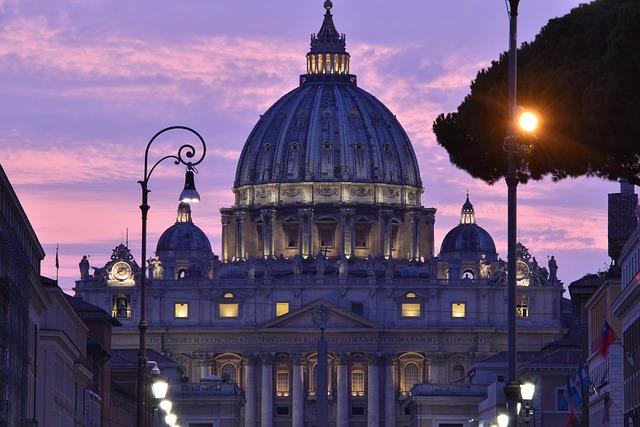
In a rare and closely watched diplomatic encounter, Pope Leo XIV has received Spain’s atheist president amid escalating political turmoil in the country the pontiff is set to visit later this week. The meeting, held against the backdrop of Spain’s deepening political crisis, underscores the complex interplay between faith and governance in one of Europe’s most traditionally Catholic nations. As tensions rise and the government faces mounting challenges, the pontiff’s upcoming visit is poised to carry significant symbolic weight, drawing attention from both religious and political spheres.
Pope Leo XIV Meets Spain’s Atheist President Amid Rising Political Tensions
In a move signaling hope for dialogue amid escalating political unrest, Pope Leo XIV engaged in a historic meeting with Spain’s atheist president this week. The encounter, marked by a tone of mutual respect despite profound ideological differences, underscores the Vatican’s commitment to fostering unity and understanding in a nation grappling with polarization. Observers noted that the pontiff emphasized the importance of peace and social cohesion, urging all parties to prioritize the common good over partisan interests.
Key themes addressed during the meeting included:
- Religious freedom and secular governance: Both leaders acknowledged the delicate balance necessary in a pluralistic society.
- Social justice: Pope Leo XIV highlighted the Church’s mission to support marginalized communities affected by economic instability.
- Upcoming state visit: Preparations for the pope’s imminent trip to Spain were discussed, with intentions to promote dialogue and reconciliation amid ongoing political challenges.
This unprecedented encounter may pave the way for enhanced collaboration between the Vatican and Madrid, offering a potential pathway through the country’s divisive political landscape.
Implications of the Historic Encounter for Spain’s Fragile Government Stability
Spain’s government, already teetering on the brink of instability, faces a new layer of complexity following this unprecedented meeting between Pope Leo XIV and the nation’s atheist president. The encounter has sent ripples through the political landscape, intensifying debates among both supporters and critics. While some factions view the meeting as a bold step towards reconciliation and national unity, others perceive it as a symbolic maneuver that could either strengthen or destabilize the fragile coalition ruling Madrid. The delicate balance within the coalition government now risks fracturing, as conservative and progressive forces interpret the meeting through the lens of their own ideological agendas.
Key implications emerging from this historic dialogue include:
- Heightened scrutiny of Spain’s secular policies: The meeting has reignited controversy around the role of religion in public life, potentially influencing legislative priorities on education and social services.
- The potential empowerment of moderate factions: Moderate leaders within both political and religious institutions may gain leverage as they push for dialogue and compromise amid mounting polarization.
- Pressure on opposition groups: Radical parties may find a newfound target in the government’s religious overtures, complicating efforts to maintain a united front.
Ultimately, this encounter at the Vatican stands as a potent symbol – one that could either catalyze much-needed stability or deepen the fissures threatening Spain’s political continuity.
Expert Recommendations for Bridging Religious and Political Divides Ahead of Papal Visit
Amid the heightened tensions in Spain’s political landscape, experts emphasize the urgent need for dialogue platforms that foster mutual understanding between religious and secular communities. They advocate for creating inclusive forums where voices from diverse backgrounds can engage constructively, reducing polarization and building trust ahead of the Papal visit. Additionally, specialists highlight the importance of promoting educational initiatives that focus on shared values such as peace, compassion, and social justice, which transcend ideological divides and resonate across Spain’s multifaceted society.
To navigate the complex intersection of faith and politics, analysts recommend governments and religious institutions collaborate on transparent communication strategies that clearly separate spiritual guidance from political agendas. This approach aims to prevent misunderstandings and foster an atmosphere where civic unity can be strengthened rather than undermined. Suggested measures include:
- Organizing community-led discussion panels with balanced representation
- Engaging youth programs that encourage critical thinking and respect for pluralism
- Utilizing media outlets to highlight stories of cooperation and reconciliation
- Implementing conflict resolution workshops tailored to religious and political sensitivities
The Way Forward
As Spain navigates a turbulent political landscape, Pope Leo XIV’s unprecedented meeting with the country’s atheist president underscores a moment of cautious dialogue amid deep divisions. With the pontiff’s impending visit, observers will be watching closely to see how this engagement influences both Spain’s internal dynamics and the broader relationship between the Vatican and secular governments. The coming weeks promise critical developments that may shape the nation’s path forward.