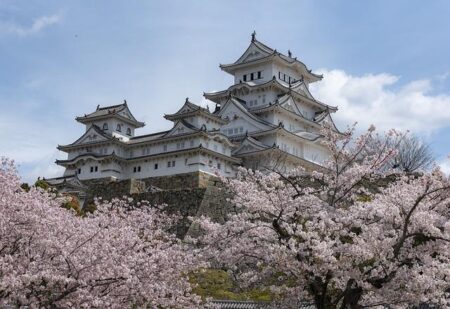

The iconic Hawaiian voyaging canoes Hokule’a and Hikianalia are set to embark on a historic return voyage to Japan next year, reigniting a storied maritime connection between the islands and the Pacific nation. This journey, announced by The Polynesian Voyaging Society and featured in The Garden Island, underscores the enduring legacy of traditional navigation and cultural exchange. As preparations unfold, the upcoming expedition promises to deepen ties and showcase the resilience of indigenous wayfinding practices.
Hokulea and Hikianalia Prepare for Historic Return Voyage to Japan
The iconic double-hulled voyaging canoes, Hokule’a and Hikianalia, are gearing up for a groundbreaking journey back to Japan, marking a significant chapter in their ongoing mission to promote cultural connections and environmental stewardship across the Pacific. This return voyage, scheduled for next year, is more than just a maritime expedition; it symbolizes a rekindling of ancestral navigation techniques and a celebration of shared Pacific heritage. The crew is currently engaged in rigorous preparations, including traditional celestial navigation training and vessel maintenance to ensure a safe and successful passage across thousands of miles of open ocean.
Key milestones of the voyage include:
- Retracing ancient trade and cultural routes between Hawai’i and Japan
- Engaging with local communities along the route to foster cross-cultural dialogue
- Highlighting sustainable practices and ocean conservation efforts
This historic endeavor not only underscores the enduring legacy of Polynesian voyaging but also emphasizes the importance of preserving indigenous knowledge in the face of modern challenges. As the vessels prepare to set sail, anticipation builds among supporters and maritime enthusiasts alike, eager to witness this powerful symbol of resilience and unity on the high seas.
Navigational Techniques and Cultural Significance Behind the Journey
The return voyage of Hokule’a and Hikianalia to Japan is not merely a physical journey across the Pacific but a profound expression of ancestral navigation techniques that have been revitalized through generations. Utilizing traditional wayfinding methods-such as reading the stars, ocean swells, wind patterns, and bird flight paths-navigators steer without modern instruments, embodying an ancient wisdom that predates GPS technology by centuries. This approach is more than maritime skill; it is a culturally immersive practice that reconnects the crew with the environment and their heritage, showcasing the enduring legacy of Polynesian voyaging and the mastery of the natural world.
Beyond its technical prowess, the voyage holds deep cultural significance for the Hawaiian community and the broader Polynesian world. It serves as a living classroom, teaching values like respect for nature, perseverance, and community solidarity. Among the highlights:
- Cultural revitalization: The journey reinforces language, chants, and traditional ceremonies integral to the voyaging culture.
- Environmental stewardship: Emphasizing sustainable practices and mindfulness of ocean health, crucial to island life.
- Global kinship: Strengthening ties with Pacific Rim communities, including Japan, fostering shared history and mutual respect.
In essence, each leg of the voyage weaves a rich tapestry of history, identity, and forward-looking environmental consciousness, making the expedition a beacon of cultural pride and intercultural diplomacy.
Recommendations for Supporting Sustainable Polynesian Voyaging Initiatives
To ensure the longevity and impact of Polynesian voyaging initiatives like the upcoming Hokule’a and Hikianalia journey to Japan, it is crucial to incorporate sustainable practices that honor both cultural traditions and environmental stewardship. Key efforts include prioritizing the use of eco-friendly materials in vessel maintenance and outfitting, reducing single-use plastics on board, and integrating renewable energy sources such as solar panels to minimize carbon emissions. Emphasizing community involvement through educational programs can foster intergenerational knowledge transfer, ensuring that the spirit and skills of traditional navigation thrive alongside modern sustainability goals.
Supporting partnerships with local governments, environmental organizations, and indigenous groups can amplify the initiative’s reach and effectiveness. Efforts should focus on:
- Promoting marine conservation efforts in voyage destinations and along traditional sailing routes.
- Securing funding and sponsorships dedicated to sustainable infrastructure and research.
- Encouraging transparent sharing of best practices and voyage data to influence broader maritime sustainability conversations.
By weaving cultural reverence with modern environmental awareness, these voyages can continue to serve as powerful symbols of resilience, innovation, and stewardship in the Pacific and beyond.
In Retrospect
As Hokule’a and Hikianalia prepare for their upcoming voyage to Japan next year, the journey stands as a testament to the enduring spirit of Polynesian navigation and cultural exchange. This return trip not only honors centuries-old traditions of wayfinding but also strengthens the bonds between communities across the Pacific. As the world watches, these voyaging canoes will continue to inspire new generations, carrying forward a legacy that bridges past and present on the open sea.