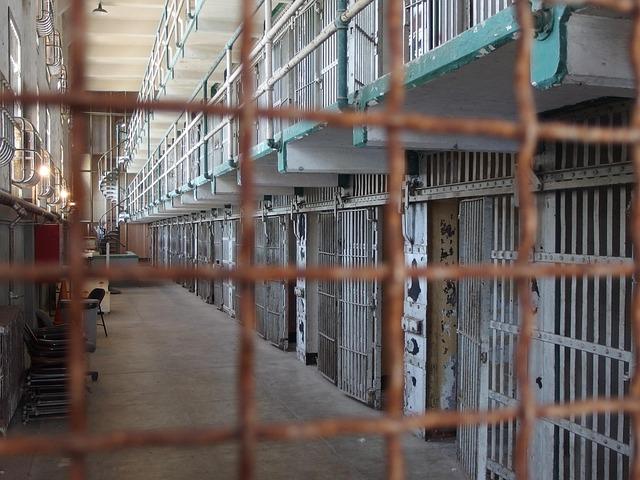
In the hidden corridors of prisons worldwide, a profound transformation unfolds-one that goes far beyond punishment and rehabilitation. Recent psychological research reveals how incarceration quietly and systematically reshapes human identity, altering the very sense of self for countless individuals behind bars. This subtle yet pervasive shift challenges long-held assumptions about the effects of imprisonment, shedding new light on the complex interplay between confinement, mental health, and personal identity. As society grapples with criminal justice reform, understanding these psychological changes is crucial to addressing the broader impact of prison on human lives.
The Subtle Transformation of Selfhood Behind Bars
Within the rigid confines of prison life, identities undergo profound shifts that often evade immediate detection. Stripped of personal freedoms and social roles, inmates confront an enforced sameness that chips away at individual distinction. Daily routines governed by institutional schedules create a new rhythm where self-perception is continuously challenged. In this environment, survival hinges not only on physical endurance but also on the psychological adaptation to a space that subverts previous life narratives. Over time, this enforced transformation can lead to a redefinition of self-a process where original values, ambitions, and identities are subtly overwritten by the prison context.
Psychological studies reveal key mechanisms behind this internal metamorphosis, including:
- Social isolation that cuts ties to former identities and support networks, fostering a sense of alienation.
- Institutional labeling which assigns new, often stigmatizing identities shaping self-concept and behavior.
- Adaptive conformity where inmates align themselves with prison culture to gain acceptance and reduce conflict.
These elements collectively erode the stable sense of “self,” replacing it with a chameleon-like identity shaped by the pressures and constraints of incarceration. Understanding this quiet transformation is essential for comprehending the long-term psychological impact prison has on individuals once they reenter society.
Psychological Impact of Isolation and Routine on Identity
Extended periods of isolation coupled with monotonous routines act as subtle yet powerful forces that erode a person’s sense of self. In such environments, sensory deprivation and lack of meaningful social interaction lead to a profound psychological disconnection. Individuals often experience a blurring of time, diminished emotional responses, and a fragmentation of memory-all of which contribute to an ongoing struggle to maintain a coherent identity. This slow dissolution of self is not merely a byproduct of incarceration but a deliberate mechanism that alters behavior, making reintegration into society increasingly challenging.
Experts highlight several psychological effects that interlock to reshape identity within these confines:
- Emotional numbing: A defense against overwhelming boredom and stress, resulting in lowered empathy and motivation.
- Depersonalization: Feeling detached from one’s own thoughts and body, fostering a sense of invisibility.
- Rigidity in thinking: Reliance on strict routines creates cognitive inflexibility, impairing adaptability.
- Social withdrawal: Reduced trust and increased suspicion hinder meaningful connections even when available.
These interconnected factors continuously chip away at individuality, leaving many confined within a psychological labyrinth long after physical barriers are removed.
Strategies for Preserving Individuality Within Prison Walls
In an environment designed for control and conformity, maintaining a sense of self becomes an act of quiet rebellion. Inmates often carve out spaces of personal expression through subtle rituals and habits-whether it’s decorating their bunks with handwritten notes, engaging in creative writing, or even preserving personal hygiene with meticulous care. These small acts serve as psychological anchors, reinforcing individuality amidst the homogenizing nature of institutional life. Experts emphasize that such efforts are not merely about comfort but pivotal for mental health, helping prisoners to resist the erasure of identity that can accompany incarceration.
Correctional psychologists advocate for strategies that bolster autonomy without compromising security. Key practices include:
- Encouraging educational and vocational programs that align with personal interests, fostering growth beyond the prison label.
- Facilitating contact with family and community to maintain social roles and relationships central to one’s identity.
- Supporting constructive outlets such as art, music, and meditation, which provide emotional release and self-reflection.
- Respecting individual choices within guidelines, such as personalized reading materials or spiritual practices.
These approaches reflect an evolving understanding that preserving individuality within prison walls is essential not only for rehabilitation but for the humanity of those behind bars.
The Conclusion
As society continues to grapple with the complexities of incarceration, understanding the subtle yet profound ways prison environments alter individual identity is crucial. This exploration sheds light on the psychological transformations that occur behind bars-transformations that extend far beyond sentences served. Recognizing these shifts not only informs rehabilitation efforts but also challenges us to rethink how justice systems impact the very fabric of human identity.