
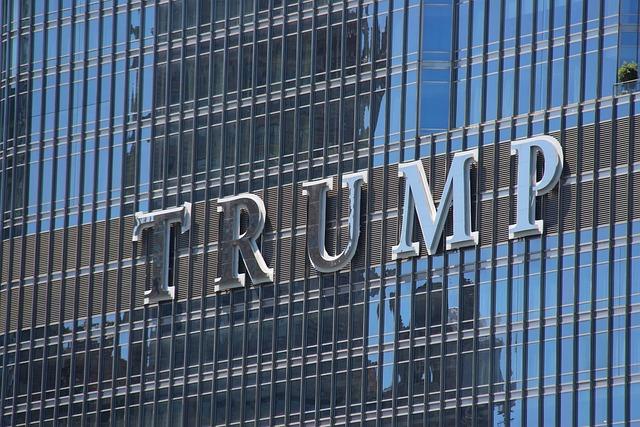
A federal judge has ordered the removal of former President Donald Trump’s name from the Kennedy Center, igniting a new chapter in the ongoing debate over his legacy and influence on national institutions. The ruling comes amid heightened scrutiny of Trump’s impact on American cultural and political establishments, marking a significant development in efforts to reshape the historical narrative surrounding his tenure.
Trump Name Removal Ordered by Federal Judge Sparks National Debate
In a landmark decision, a federal judge has ruled that the Trump name must be removed from the Kennedy Center, igniting a nationwide conversation about the legacy of former President Donald Trump in public institutions. The court order cites concerns over maintaining the integrity and public trust of the prestigious performing arts venue, arguing that the continued association with Trump’s name could undermine its mission and alienate patrons. This unprecedented move has sent shockwaves through political and cultural circles, as debates over the intertwining of politics and public landmarks intensify.
Reactions to the ruling have been swift and diverse, encompassing:
- Supporters who emphasize the importance of keeping public spaces free from controversial political figures.
- Opponents who view the decision as a politically motivated attempt to erase historical associations.
- Legal analysts predicting potential appeals and further litigation over naming rights and First Amendment implications.
The Kennedy Center’s administration has pledged to comply fully with the order while carefully navigating the complex public relations challenges ahead. As the story unfolds, the nation watches closely, reflecting deeper tensions about identity, reputation, and the legacy of leadership in America’s cultural institutions.
Legal Arguments Behind the Decision and Its Impact on Cultural Institutions
The judge’s ruling to remove Trump’s name from the Kennedy Center hinged on several key legal arguments, primarily focusing on contractual obligations and the institution’s commitment to its founding principles. Central to the decision was the claim that the continued use of Trump’s name breached the terms agreed upon during the naming rights agreement, which included clauses related to the preservation of the Center’s integrity and public trust. Legal experts noted that the ruling sets a precedent for how cultural institutions can enforce reputational standards and renegotiate agreements when public figures become controversial.
Beyond the courtroom, the ruling raises significant considerations for cultural institutions nationwide. Advocates argue that it empowers organizations to proactively safeguard their legacies by incorporating strict ethical guidelines into naming rights and sponsorship deals. Key impacts of the decision include:
- Enhanced contractual safeguards to allow name removals under misconduct or reputational harm
- Increased public scrutiny of donor relationships and the potential risk to institutional reputation
- A shift in donor dynamics, encouraging more transparent and values-aligned partnerships
These changes could redefine how cultural institutions balance financial support with social responsibility in an era of heightened public awareness.
Recommendations for Policy Reforms to Navigate Political Influence in Public Venues
To mitigate the impact of political influence on public institutions, lawmakers must consider enacting robust transparency measures that mandate clear reporting of all affiliations and donations linked to naming rights or sponsorships. Such regulations would help ensure public venues remain free from undue political bias by requiring that any naming decisions undergo thorough public scrutiny and independent review. Furthermore, establishing an impartial committee composed of historians, community leaders, and arts professionals could serve as a critical safeguard, tasked with evaluating the suitability of names and dedications in cultural spaces.
Key recommendations include:
- Implementing mandatory disclosure of all political contributions tied to naming rights or sponsorship agreements.
- Creating legally binding criteria to evaluate the lasting historical and cultural significance of honorees.
- Developing procedures for timely reevaluation or removal of names when associated with controversy.
- Encouraging community engagement and public input prior to finalizing naming decisions.
By institutionalizing these reforms, public venues can protect their integrity and cultural value, preventing the politicization that erodes public trust and distracts from their mission as unifying spaces. This structured approach not only preserves the historical narrative but also reinforces democratic values in the stewardship of national cultural landmarks.
The Way Forward
The judge’s ruling to remove Donald Trump’s name from the Kennedy Center marks a significant development in the ongoing debate over the legacy and influence of prominent political figures in public institutions. As this decision takes effect, it underscores the broader conversation about accountability, reputation, and the values that cultural landmarks choose to represent. Further updates are expected as both legal and public responses continue to unfold.