
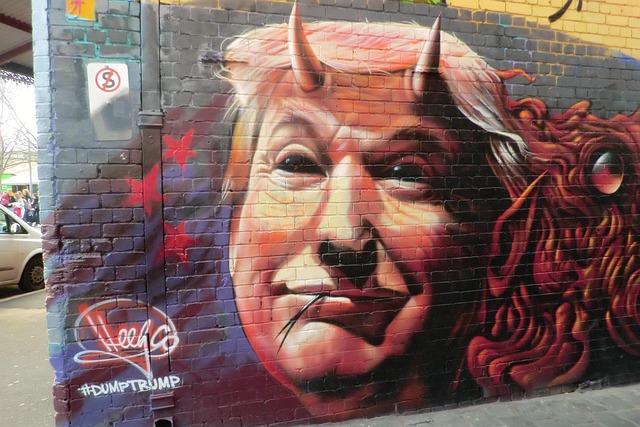
In a historic move signaling growing congressional resistance to former President Donald Trump’s aggressive Iran policies, the House of Representatives voted for the first time to end U.S. involvement in the conflict with Iran. The bipartisan measure, aimed at curbing military operations and diplomatic tensions in the region, marks a significant shift in Washington’s approach after years of escalating conflict. This decisive vote reflects mounting concerns among lawmakers over the prolonged presence of American forces abroad and the potential for further instability in the Middle East.
House Takes Historic Step to End US Involvement in Iran Conflict
In a landmark decision, the House of Representatives voted to curtail U.S. military involvement in Iran, marking the first legislative push to officially end hostilities after years of escalating tensions. This move represents a clear rebuke of the previous administration’s approach, aiming to redirect American foreign policy towards diplomacy and de-escalation. The resolution demands the withdrawal of troops and limits funding used for operations against Iran, signaling bipartisan concerns over the prolonged conflicts and their far-reaching consequences.
The vote underscores several key objectives embraced by lawmakers across the aisle:
- Reasserting Congressional authority over war powers and military commitments abroad
- Preventing further escalation in a volatile region without clear U.S. interests
- Highlighting the human and fiscal costs of ongoing conflict
- Promoting diplomatic solutions as a sustainable alternative to military action
As this historic legislation moves forward, it emphasizes a shifting paradigm in American foreign relations, focusing on accountability and strategic restraint.
Bipartisan Support Signals Shift in Congressional Approach to Middle East Policy
In a remarkable display of unity rarely seen on Capitol Hill, members of both parties have come together to advance legislation aimed at de-escalating tensions with Iran. This historic vote marks a clear rejection of previous aggressive policies, signaling a transformative shift in how Congress intends to engage with the Middle East. Lawmakers emphasized the importance of diplomatic solutions over military interventions, highlighting a growing consensus that the enduring conflicts in the region require a new strategic approach.
Key factors driving this bipartisan momentum include:
- A collective desire to end protracted military engagements that have yielded limited results.
- Pressure from constituents advocating for peace and economic prudence.
- Recognition of the need to rebuild international alliances weakened by years of unilateral actions.
By siding against former administration policies, Congress is sending a clear message that national security and regional stability can be pursued without perpetual warfare, ushering in a new era of American foreign policy focused on dialogue and mutual respect.
Experts Urge Strategic Diplomacy and Clear Framework for Lasting Peace
In a significant shift, leading analysts emphasize the necessity for a comprehensive diplomatic approach to resolve the escalating tensions between the United States and Iran. Experts argue that without a clearly defined framework, any ceasefire risks being temporary and vulnerable to future breakdowns. Their recommendations focus on establishing mutual trust through sustained dialogue, coupled with actionable benchmarks to ensure accountability and transparency on both sides.
Key components highlighted by specialists include:
- Robust verification mechanisms to monitor compliance and prevent violations
- Inclusive negotiations involving regional allies and international organizations
- Gradual de-escalation steps paired with incentives aimed at long-term stability
This strategic lens underscores the complexity of the conflict and the urgent need for policy that extends beyond short-term political gains, advocating instead for sustainable peace rooted in diplomacy and clear agreements.
The Way Forward
As the House takes this unprecedented step to assert congressional authority over U.S. military engagement in Iran, the vote signals a clear rebuff to the Trump administration’s approach to the region. While the resolution faces an uncertain path in the Senate and potential veto threats from the White House, the move reflects growing bipartisan concern over prolonged conflict and the desire for a definitive end to U.S. involvement in Iran. The coming weeks will reveal whether this legislative effort can translate into concrete policy changes amid ongoing geopolitical tensions.