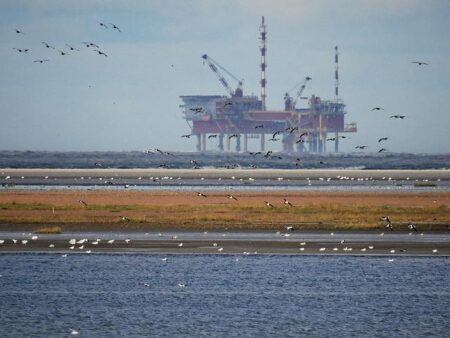

Russia has reported a decline in domestic oil production during the first half of this year, according to data released by Anadolu Ajansı. The decrease marks a notable shift in the country’s energy output amid ongoing geopolitical tensions and evolving market dynamics. This development raises questions about Russia’s ability to sustain its position as a leading global oil producer in the months ahead.
Russia Experiences Notable Decline in Domestic Oil Output Amid Economic Challenges
Recent data indicates a significant downturn in Russia’s oil production levels within the current fiscal year, reflecting mounting pressures from ongoing economic constraints and geopolitical tensions. Industry analysts point to a combination of aging infrastructure, reduced foreign investment, and logistical challenges as primary factors impeding output. This decline disrupts Russia’s position as a leading global oil supplier and raises concerns about its ability to meet both domestic demand and export commitments.
Key elements impacting production include:
- Sanctions limiting access to advanced drilling technology
- Reduced capital expenditure by major energy companies
- Operational difficulties in harsh climatic regions
- Fluctuations in global oil prices affecting investment strategies
Industry insiders caution that unless strategic measures are undertaken promptly, the downward trend may persist, affecting not only Russia’s economic stability but also the broader energy markets reliant on its oil exports.
Impact of Falling Oil Production on Global Energy Markets and Russian Economy
The global energy landscape is experiencing tangible shifts as Russia, one of the world’s leading oil producers, reports a noticeable decline in its domestic oil output this year. This reduction not only intensifies the volatility in global oil prices but also disrupts the delicate balance of supply and demand that energy markets worldwide depend on. Energy-importing nations face potential cost hikes amidst tighter supply, while alternative energy sources may gain renewed attention as countries reassess their energy security strategies. The ripple effects extend to investment patterns within the energy sector, with uncertainties compelling stakeholders to navigate an increasingly complex market environment.
Key implications include:
- Rising global oil prices driven by tightening supply conditions.
- Heightened geopolitical tensions as nations compete for energy resources.
- Acceleration of energy diversification and green energy initiatives worldwide.
For Russia, the downturn in production directly challenges the country’s economic stability, given its heavy reliance on oil revenues to fund government spending and sustain its currency. The decline impacts budget forecasts and could force Moscow to recalibrate its fiscal policies amidst growing international sanctions and fluctuating demand. Domestically, reduced oil output threatens to curtail investments in exploration and infrastructure, potentially undermining long-term production capacity. Furthermore, sectors linked to oil and gas, such as manufacturing and services, may experience contraction, intensifying economic pressures at a critical juncture.
Economic consequences for Russia include:
- Decreased federal revenues, affecting public expenditure.
- Potential weakening of the ruble due to lower export income.
- Increased vulnerability to external economic shocks amid geopolitical isolation.
Strategies for Stabilizing Russia’s Oil Industry and Navigating Future Production Risks
Addressing the challenges currently facing Russia’s oil sector requires a multifaceted approach, blending technological innovation with strategic policy adjustments. Key measures include:
- Investment in Enhanced Oil Recovery (EOR) technologies to maximize output from existing fields and delay production declines.
- Streamlining regulatory frameworks to attract both domestic and foreign capital, boosting exploration and development activities.
- Diversifying supply chains by forging new trade partnerships and reducing reliance on vulnerable export routes.
- Modernizing infrastructure to improve efficiency and reduce operational costs amid fluctuating market conditions.
Beyond immediate tactical responses, industry leaders emphasize the importance of long-term resilience planning to navigate uncertain geopolitical and economic landscapes. This involves:
- Scenario-based risk assessments to anticipate external shocks and adjust production targets accordingly.
- Expanding research and development efforts focused on alternative energy integration to position Russia’s energy sector for a low-carbon future.
- Strengthening domestic markets to stabilize demand and provide a cushioning effect against global price volatility.
Insights and Conclusions
In summary, Russia’s reported decline in domestic oil production marks a significant development amid ongoing global energy market shifts. As one of the world’s leading oil producers, changes in Russia’s output will likely influence international supply dynamics and price trends. Analysts and industry stakeholders will be closely monitoring further data releases and government responses in the months ahead to assess the broader implications for both Russia’s energy sector and the global oil market.