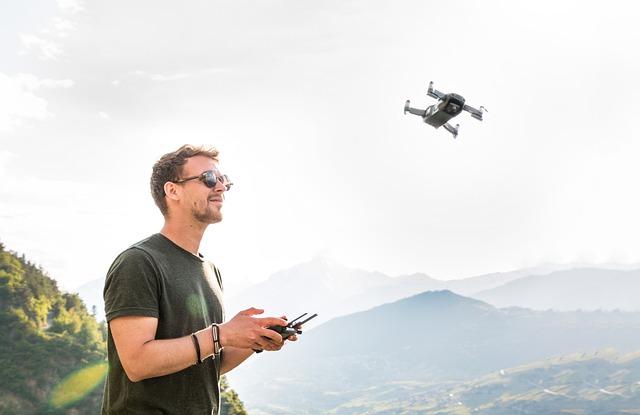
A Trump-backed drone company is making headlines as it steps into the global arena, challenging China’s dominance in the unmanned aerial vehicle (UAV) market. With increased scrutiny on supply chain security and geopolitical tensions mounting, this American firm is positioning itself as a formidable competitor in a sector long dominated by Chinese manufacturers. As the race for advanced drone technology intensifies, the company’s strategic backing and innovative approach could reshape the competitive landscape and influence the future of both commercial and defense applications.
Trump-Backed Drone Manufacturer Challenges Chinese Dominance in Global Markets
In an ambitious move to disrupt the drone manufacturing landscape, a U.S.-based company, with backing from former President Donald Trump, is making significant strides against the current Chinese stronghold. This enterprise aims to leverage advanced technology and strategic partnerships to carve out a substantial share of the global market, which has long been dominated by Chinese manufacturers known for their cost efficiency and expansive product ranges. By focusing on innovation, enhanced security features, and robust supply chain resilience, the company is positioning itself as a credible alternative for both commercial and defense applications worldwide.
Key factors driving this competitive push include:
- Advanced AI Integration: Utilizing cutting-edge artificial intelligence to improve drone autonomy and operational capabilities.
- Stricter Data Security: Emphasizing encryption and data protection to alleviate global concerns over surveillance and privacy.
- Domestic Production: Prioritizing Made-in-USA components to mitigate geopolitical risks and import dependencies.
- Strategic Alliances: Partnering with defense contractors and commercial clients to expand market reach and diversify use cases.
As this company gains momentum, it challenges the status quo and signals a potential shift in the drone manufacturing hierarchy, with implications for international trade and national security.
Technological Innovations Driving Competitive Edge Against Established Aerospace Giants
Emerging drone startups are leveraging cutting-edge technologies to carve out their own space within a market long dominated by aerospace titans. By integrating advancements in artificial intelligence, autonomous navigation systems, and lightweight composite materials, these companies are creating drones that boast enhanced efficiency, longer flight times, and superior operational agility. Unlike the legacy players, their agility allows rapid iteration cycles, enabling swift adaptations to evolving defense and commercial requirements. This nimbleness is a key differentiator as global tensions amplify the demand for next-gen unmanned aerial systems capable of versatile deployment.
Key technological breakthroughs propelling these innovations include:
- Modular payload designs: Allowing quick configuration swaps for diverse mission profiles, from surveillance to electronic warfare.
- Secure communication networks: Implementing encrypted, low-latency links to counteract interception and jamming attempts.
- Energy-efficient propulsion: Utilizing advanced battery chemistries and hybrid engines to extend operational reach far beyond conventional limits.
These integrated solutions empower emerging drone enterprises to challenge entrenched aerospace giants by delivering state-of-the-art platforms tailored to the demands of modern combat and intelligence operations, effectively leveling the playing field.
Strategic Recommendations for Investors Navigating US-China Drone Industry Rivalry
Investors aiming to capitalize on the evolving US-China drone industry rivalry should prioritize companies that demonstrate a robust blend of innovation, government backing, and supply chain resilience. Targeting firms with strong ties to US defense contracts and strategic endorsements can mitigate geopolitical risks while positioning portfolios to benefit from increased military and commercial drone demand. Furthermore, tracking regulatory developments and export controls will be crucial, as shifts in policies could dramatically impact market access and production capabilities. A diversified approach that balances emerging tech ventures with established aerospace players can offer both growth potential and stability amid a highly competitive landscape.
Key strategies to consider include:
- Monitoring the impact of federal investments and bipartisan support on domestic drone manufacturers.
- Assessing the scalability of drone technology applications beyond defense, such as delivery services and agriculture.
- Analyzing supply chain dependencies, particularly semiconductor availability and rare earth materials.
- Evaluating intellectual property portfolios to gauge competitive advantages over Chinese rivals.
By staying informed of these critical factors, investors can more confidently navigate the complex dynamics of the drone sector and identify opportunities that align with broader geopolitical trends and technological advancements.
The Conclusion
As the competition in the global drone market intensifies, this Trump-backed company’s bold challenge to Chinese dominance marks a significant shift in the aerospace and defense sectors. With advanced technology and substantial backing, the firm aims to not only capture market share but also influence broader geopolitical dynamics surrounding cutting-edge unmanned systems. Observers will be watching closely to see how this rivalry develops and what it means for the future of drone innovation and international trade.