
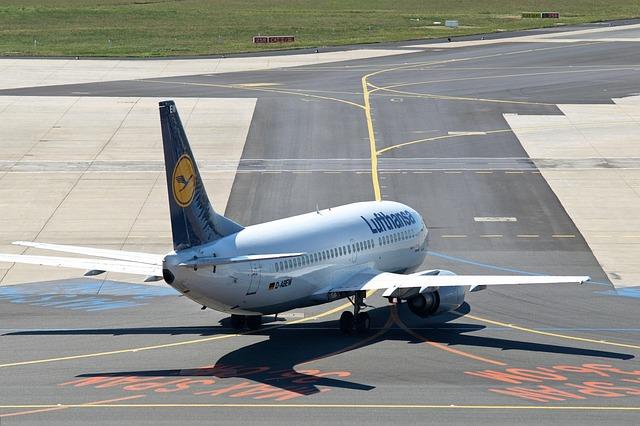
In an unusual mid-flight incident, a United Airlines flight bound for Spain was forced to turn back shortly after takeoff, reportedly due to concerns over the name of a passenger’s Bluetooth device. The unexpected U-turn, which drew widespread attention on social media, highlights the growing complexities airlines face in managing onboard security and passenger behavior. Authorities and the airline are investigating the circumstances that led to the diversion, underscoring the heightened vigilance in today’s aviation environment.
United Airlines Flight Diverts Midair Over Suspicious Bluetooth Device Name
In a highly unusual incident, a United Airlines flight en route to Spain was forced to change course midair after the crew detected a suspicious Bluetooth device name on board. According to officials, the device’s identifier raised concerns about potential security risks, prompting the pilot to divert the aircraft to a nearby airport for further investigation. Passengers were reportedly unsettled by the unexpected maneuver, though authorities emphasized that the precaution was necessary to ensure everyone’s safety.
The decision underscores growing scrutiny over seemingly minor electronic signals in aviation security. Authorities responded swiftly, outlining key steps taken during the event:
- Immediate communication with air traffic control to arrange a safe diversion
- Thorough onboard inspection by trained personnel to locate and assess the device
- Collaboration with security agencies to evaluate the threat level of the Bluetooth signal
While no hazardous device was ultimately found, the incident serves as a reminder of the evolving challenges airlines face managing technological risks in a connected world.
Passengers Describe Confusion and Anxiety During Unexpected U Turn
Passengers aboard the United Airlines flight experienced a wave of confusion as the plane abruptly changed course midair, prompting a mix of anxiety and speculation. Several travelers reported hearing hurried announcements that failed to clarify the situation, leaving many unsure about the reason for the unexpected maneuver. The cabin atmosphere shifted quickly from routine to tense, with passengers exchanging worried glances and searching for answers.
Eyewitnesses described moments of unrest, highlighting concerns over safety and communication breakdowns. Among the reactions were:
- Whispers and murmurs growing louder as the plane performed the U-turn
- Relief mixed with frustration once news about the unusual trigger-a Bluetooth device name-was shared
- Questions raised about the protocols that allow such an incident to disrupt an international flight
Experts Recommend Enhanced Security Protocols for Wireless Device Identification
In light of recent incidents involving wireless device identification, security experts are urging airlines and technology providers to adopt more stringent measures. The controversial event with United Airlines, which reportedly turned a flight around due to a suspicious Bluetooth device name, has highlighted the vulnerabilities in current wireless identification protocols. Specialists argue that device names broadcasted via Bluetooth can be manipulated to mimic threatening signals, potentially causing unnecessary alarm and operational disruptions. The call for enhanced protocols centers on implementing advanced verification systems that can differentiate between benign and malicious device identifiers more effectively.
Proposed solutions focus on the following key areas:
- Encrypted device naming: Use of cryptographic techniques to prevent spoofing and unauthorized renaming of wireless devices.
- Real-time anomaly detection: Integrating AI-driven monitoring tools to analyze device behavior rather than relying solely on emitted names.
- Standardized identification frameworks: Establishing industry-wide benchmarks to ensure consistent and secure wireless device recognition.
- Enhanced communication protocols: Facilitating immediate, clear alerts to security personnel through verified channels rather than ambiguous device names.
These recommendations aim to balance safety concerns with operational efficiency, reducing the likelihood of abrupt flight disruptions caused by ambiguous wireless signals.
To Conclude
The unexpected diversion of the United Airlines flight, reportedly triggered by a Bluetooth device name, highlights the complex security measures airlines continue to navigate in an era of evolving technology. As investigations proceed, this incident underscores the importance of vigilance and communication between passengers and crew to maintain safety and prevent misunderstandings in the skies. United Airlines has not yet released a detailed statement, leaving many questions unanswered about the protocols that led to the decision to turn back mid-flight. Authorities and industry experts will undoubtedly scrutinize this event to better understand how digital devices can impact aviation security moving forward.