
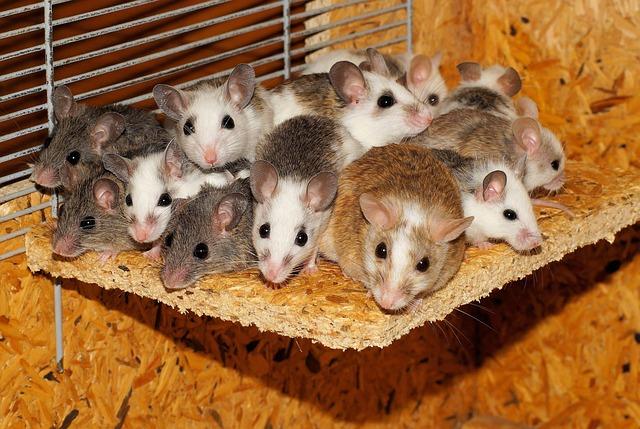
Australia is once again grappling with a severe mice plague, wreaking havoc on crops, infrastructure, and rural communities. This recurring phenomenon, described by experts as one of the worst in recent memory, has left farmers struggling to contain the rapidly multiplying rodents. But what factors have contributed to the scale and intensity of these devastating mice outbreaks? In this article, we explore the environmental, climatic, and agricultural conditions driving the surge in mice populations across Australia, examining the challenges faced by those on the front lines and the measures being taken to combat this persistent threat.
Causes Behind the Surge in Mouse Populations Across Australia
Several environmental and agricultural factors have converged to trigger the explosive rise in mouse numbers across Australia. One of the primary drivers is the prolonged periods of increased rainfall, which have led to lush vegetation and a subsequent boom in the availability of food sources for mice. This abundance supports larger litters and higher survival rates among the rodent populations. Additionally, changes in farming practices, such as reduced cropping diversity and altered pest management strategies, have unintentionally created an ideal habitat for these pests to thrive.
Compounding the issue, natural predators that typically keep mouse populations in check have declined or been disrupted in many areas. Moreover, climate variability-including longer dry spells followed by sudden heavy rains-has enabled multiple breeding cycles within a single year. Experts also point to factors like the absence of harsh winter conditions and the persistence of grain spillage in farmlands as pivotal contributors. Collectively, these elements have set the stage for the current devastating plague that threatens crops, infrastructure, and rural livelihoods.
- Unseasonal rainfall boosting food availability
- Changes in land use and farming techniques
- Decline in natural predator populations
- Climate fluctuations encouraging rapid breeding
- Persistent grain waste on agricultural lands
Impact of Mice Plagues on Agriculture and Rural Communities
The recent mice plagues have inflicted severe damage on Australia’s agricultural sector, wiping out vast swathes of crops and destabilizing food production. Farmers report extensive losses, with fields devastated as dense populations of mice consume and contaminate harvests. This not only threatens immediate economic stability for growers but also risks long-term impacts on Australia’s position in global food markets. The relentless destruction has forced many to invest heavily in pest control measures, further straining their already tight budgets amid challenging environmental conditions.
Beyond the fields, rural communities bear the brunt of the infestation’s social and health consequences. Residents grapple with infestations infiltrating homes and infrastructure, leading to concerns over property damage and the spread of disease. Local services and councils face overwhelming clean-up and mitigation efforts, often underfunded and under-resourced. The psychological toll is significant, with many experiencing heightened stress and uncertainty about the sustainability of their livelihoods. Key challenges include:
- Disrupted agricultural productivity causing financial hardship
- Increased health risks from contamination and allergens
- Pressure on local infrastructure due to infestation control
- Community strain from ongoing environmental and economic uncertainty
Strategies and Solutions to Manage and Prevent Future Infestations
Addressing Australia’s recurring mice plagues requires a multifaceted approach that combines immediate control measures with long-term ecological strategies. Authorities have increasingly turned to integrated pest management (IPM) techniques, which blend biological, chemical, and cultural controls to reduce mouse populations without causing undue environmental harm. This includes the targeted use of rodenticides during peak population times, coupled with habitat modification such as clearing dense vegetation and removing access to food sources. Community involvement is also critical, as coordinated efforts ensure that individual actions contribute to a broader, landscape-scale reduction in mouse habitats and breeding grounds.
Looking ahead, scientists stress the importance of early warning systems and predictive modeling to anticipate plague cycles and implement preemptive measures. Advances in weather forecasting and satellite data enable better prediction of environmental conditions that favor mouse population explosions. Meanwhile, ongoing research aims to develop environmentally friendly alternatives to poisons, such as fertility control measures and natural predators, to establish sustainable population management. Empowering farmers and rural communities with education and resources forms a cornerstone of these solutions, fostering preparedness and resilience against future infestations.
The Conclusion
As Australia continues to grapple with unprecedented mice plagues, experts warn that the convergence of climatic factors and agricultural practices may make such outbreaks more frequent and severe in the future. Understanding the underlying causes is crucial for developing effective strategies to mitigate the impact on farmers, communities, and ecosystems. While immediate relief efforts focus on containment and damage control, long-term solutions will require coordinated action across scientific, governmental, and agricultural sectors to build resilience against these devastating invasions.