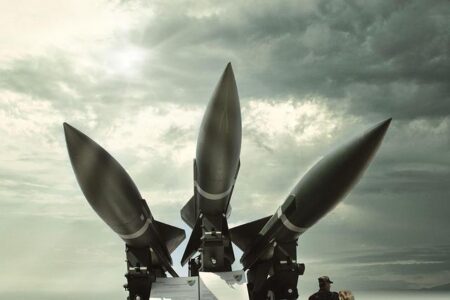
Germany has abandoned its ambitious plan to jointly develop a new warplane with European allies, dealing a significant setback to its efforts to modernize and expand its military capabilities. The decision, announced amid growing geopolitical tensions and increased calls for European defense cooperation, highlights the challenges facing Germany’s rearmament strategy and raises questions about the future of collaborative defense projects within Europe. This move underscores the complexities of balancing national interests and collective security objectives in an evolving global security landscape.
Germany Abandons Joint Warplane Project Amid Strategic and Political Challenges
In a significant setback for European defense cooperation, Germany has officially halted its collaboration with key allies on the development of a next-generation warplane. The decision underscores mounting strategic divergences and political hurdles that have strained the once-promising international partnership. Critics argue that the move could impede Germany’s ambitions to strengthen its military capabilities amid growing regional security concerns, casting doubt on the future of joint defense initiatives within Europe.
The cancellation comes amid broader debates over budget allocations, technological ownership, and the alignment of national priorities. Key challenges highlighted include:
- Disagreements over project management and leadership roles
- Differing visions on defense modernization timelines
- Political pressures influencing defense commitments
Observers suggest that this development may force Germany to pursue unilateral paths in military rearmament, potentially reshaping the continental approach to defense collaboration and interoperability.
Implications for European Defense Collaboration and Military Readiness
The decision by Germany to halt its involvement in the joint warplane development project marks a significant setback for European defense collaboration. This move not only disrupts existing partnerships but also raises questions about the political will among EU nations to pursue integrated military advancement. The project, once heralded as a cornerstone for strengthening European aerospace capabilities, now faces delays that could extend for years, if not decades. Without Germany’s industrial and financial contribution, allied countries must grapple with the prospect of reallocating resources or seeking alternative partnerships, potentially weakening the bloc’s unified front amid mounting security challenges.
Key ramifications include:
- Diminished interoperability: The fragmented development could lead to incompatible systems, hampering joint missions and strategic cohesion.
- Increased reliance on non-European technologies: Allies may turn to external suppliers, threatening Europe’s defense autonomy.
- Budgetary strains: Projects that depended on shared funding arrangements now may suffer from budget deficits or cost overruns.
- Reduced deterrence capability: Delays in deploying advanced warplanes could erode the collective readiness of European forces.
Experts Urge Renewed Commitment to Transnational Defense Initiatives
Defense analysts warn that Germany’s decision to abandon its joint warplane development project with European allies could signal a significant setback for collective security efforts in the region. This move not only disrupts a decade-long plan aimed at enhancing air capabilities but also raises concerns about the future cohesion of transnational defense collaborations. Experts emphasize the necessity of revitalizing such initiatives to maintain a robust and unified response mechanism amidst evolving geopolitical challenges.
Industry specialists highlight several critical risks tied to this development:
- Fragmentation of defense strategy: Individual nations may face increased pressure to independently develop costly military technologies.
- Weakened interoperability: Diverging systems could compromise joint operations and intelligence sharing capabilities.
- Economic repercussions: The loss of shared investment reduces efficiency and bargaining power within the global defense market.
Calls for renewed cross-border commitment underscore the importance of integrating resources and expertise to safeguard long-term strategic interests.
In Summary
The decision by Germany to abandon its joint warplane development project marks a significant setback for efforts to modernize its military capabilities amid rising geopolitical tensions. As Berlin recalibrates its defense strategy, the move also raises questions about the future of collaborative European defense initiatives. Observers will be watching closely to see how this shift influences Germany’s role within NATO and its broader security commitments in the months ahead.