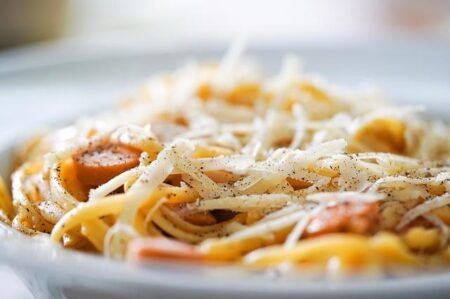

In a lighthearted cultural exchange that has quickly gone viral, an American tourist visiting Italy made an unexpected dining request that left the local waiter both amused and charmingly candid. When the visitor ordered Olive Garden-style chicken parmesan at an authentic Italian restaurant, the waiter’s perfect response not only highlighted the differences in culinary traditions but also sparked a broader conversation about food, identity, and cultural appreciation. This amusing encounter, captured and shared widely on social media, offers a glimpse into the nuances of Italian dining culture-and why some American favorites might be best enjoyed back home.
American Tourist Attempts Olive Garden Style Chicken Parm in Italy Waiters Genuine Reaction Revealed
During a recent trip to Rome, an American tourist’s attempt to order a dish reminiscent of their Olive Garden favorite quickly became a viral sensation. The patron asked for chicken parmesan, expecting the familiar layers of breaded chicken covered in marinara and melted cheese commonly found in the U.S. However, the waiter’s reaction said it all – a mix of polite amusement and gentle clarification underscored the cultural culinary divide. According to onlookers, the waiter patiently explained that traditional Italian versions prioritize simplicity and fresh ingredients over the heavy sauces and cheese layers typical in American adaptations.
Eyewitnesses shared that the waiter then recommended authentic variations commonly enjoyed by locals, including:
- Pollo alla Parmigiana: More restrained in cheese use, often paired with fresh basil and just a hint of tomato.
- Chicken Milanese: Lightly breaded and fried chicken served with lemon, highlighting the meat’s natural flavor.
- Classic Parmigiana di Melanzane: An eggplant-based dish showcasing the original roots of “parmigiana.”
This lighthearted encounter reflects the deep culinary pride Italians hold and offers a reminder of how food culture varies worldwide, even for dishes we thought we knew.
Cultural Clash in Italian Dining What Happens When American Expectations Meet Traditional Cuisine
When an American traveler, accustomed to the comforting familiarity of Olive Garden’s sprawling menu, requested a classic chicken parmesan in the heart of Rome, the ensuing interaction quickly highlighted the stark contrasts between Italian dining traditions and American culinary expectations. Rather than serving the oversized breaded chicken cutlet drenched in marinara and melted cheese typical of chain restaurants back home, the waiter delivered a succinct lesson in authenticity-politely explaining that such a dish doesn’t exist in the traditional Italian kitchen. This moment not only underscored the cultural nuances embedded in Italy’s regional cuisine but also provided a gentle reminder that culinary pride runs deep, prioritizing quality ingredients and time-honored techniques over Americanized iterations of dishes.
The encounter revealed several key differences that shape the dining experience on either side of the Atlantic:
- Portion size: Italian servings often emphasize balance and savoring over quantity, contrasting the large plates Americans typically expect.
- Ingredient integrity: Authentic recipes rely on fresh, local components rather than processed variants or heavy sauces.
- Menu structure: Italian meals flow in courses-antipasto, primo, secondo-highlighting diversity rather than offering everything in a single dish.
- Dining pace and etiquette: Meals are experiences meant to be enjoyed slowly, with conversations and multiple wine pairings integral to the ritual.
In this clash of culinary cultures, the waiter’s composed and informative response resonated on social media as a perfect example of embracing authentic customs without losing a touch of humor and hospitality. It was a small but meaningful moment that captured how food can both divide and unite, reminding travelers that respecting local traditions often enriches their adventures far beyond the taste buds.
Why Understanding Local Food Culture Enhances Your Travel Experience Tips from Italian Restaurateurs
Traveling through Italy offers more than just picturesque landscapes and historic landmarks-it provides an immersive journey into a rich culinary tapestry shaped by centuries of tradition. Local restaurateurs emphasize that understanding the nuances of Italy’s food culture unlocks a deeper appreciation of every dish served. For instance, asking for an “Olive Garden-style” chicken parmesan in a traditional Italian trattoria may lead to a surprised smile or a playful response from staff who know that the authentic recipe is far removed from American adaptations. Embracing these distinctions doesn’t just show respect for local customs; it transforms your meal into an authentic cultural encounter, revealing stories behind regional ingredients and preparation methods that mass-market versions simply can’t capture.
Experts suggest a few essential tips to get the most out of your culinary explorations abroad:
- Engage with your hosts: Ask restaurateurs about their family recipes and ingredient choices to gain insight beyond the menu.
- Stay curious and open-minded: Don’t shy away from dishes unfamiliar to you; often, the real gems are the ones off the beaten path.
- Learn local dining etiquette: Understanding pacing, portion sizes, and meal customs enhances the overall experience and shows cultural respect.
Through these small yet meaningful steps, travelers can move beyond the tourist palate and truly savor the essence of a place, leaving behind stereotypes like the “Americanized” versions of Italian classics.
Concluding Remarks
The encounter between the American diner and the Italian waiter serves as a charming reminder of cultural differences-and the humor that can arise when culinary expectations meet local tradition. As Olive Garden’s chicken parm remains a beloved comfort food stateside, Italy’s response highlights the pride and passion Italians have for their authentic cuisine. This lighthearted exchange has resonated widely, illustrating how food often becomes a bridge between cultures, inviting both laughter and appreciation.