
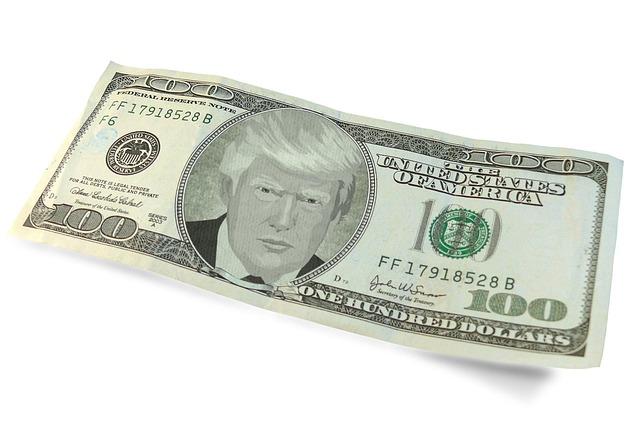
Former President Donald Trump has once again weighed in on sports terminology, proposing that the National Football League (NFL) should be renamed while also advocating for soccer to be officially called “football” in the United States. In remarks that have sparked debate among fans and analysts alike, Trump challenged longstanding American naming conventions, joining a broader conversation about the cultural definitions of football in the U.S. and beyond. This development adds a new chapter to the ongoing dialogue surrounding the popular sports’ identities on the national stage.
Donald Trump Proposes Renaming NFL Amid Debate Over American Football Terminology
Former President Donald Trump has ignited fresh controversy by suggesting that the National Football League should undergo a complete rebranding to better reflect the origins of the sport. In recent remarks, Trump argued that the term “football” in the United States should encompass what the rest of the world calls “football” – known here as soccer. He proposed that the NFL adopt a new name that distinguishes American football from the global game, emphasizing the need for clarity in sports terminology.
Trump’s comments have sparked a lively debate across social and traditional media, with supporters highlighting:
- The cultural importance of preserving the term “football” for the international game.
- The marketing challenges faced by soccer in the U.S. due to the naming conflict.
- The historical roots of American football’s evolving identity.
Critics, however, argue that renaming a century-old league would be unnecessary and confusing. The NFL has yet to issue a formal response, but the discussion has reignited questions over how sports terminology shapes national and international perception.
Examining the Case for Soccer as Football in the United States and Its Cultural Implications
Donald Trump’s recent remarks challenging the nomenclature of American sports have reignited a long-standing debate over the identity and cultural positioning of soccer in the United States. By proposing that the National Football League (NFL) be renamed and advocating for soccer to be universally referred to as “football,” Trump taps into the broader conversation about linguistic tradition versus global standardization. In many countries, “football” unequivocally describes the sport known in the US as soccer, a term which some argue marginalizes the game’s growing presence and international significance.
Trump’s viewpoint highlights several cultural implications worth considering:
- National identity: The entrenched use of “football” to describe the NFL reflects a deep-seated American sports culture that differentiates itself from global norms.
- Global integration: Adopting “football” for soccer could signal a shift toward aligning American sports terminology with international standards, potentially fostering greater cultural exchange and understanding.
- Market dynamics: Renaming initiatives impact brand recognition, fan loyalty, and commercial interests, raising questions about the economic feasibility and public reception of such changes.
Ultimately, this debate underscores how sports nomenclature can symbolize broader societal issues, including globalization, cultural pride, and the evolution of American identity in a rapidly changing world.
Expert Opinions on Sports Naming Conventions and Recommendations for Clearer Distinctions
Industry experts have weighed in on the ongoing debate sparked by Donald Trump’s call to rename the NFL and advocate for calling soccer “football” in the United States. Linguists emphasize the importance of historical context and regional vernacular in shaping sports names, cautioning against abrupt changes that might confuse fans and disrupt branding. Meanwhile, sports marketing professionals argue that any rebranding efforts should focus on clarity and inclusivity, ensuring that both American football and global football (soccer) maintain distinct identities to cater to their diverse audiences.
Among the recommendations proposed by analysts are:
- Standardizing terminology across media outlets to promote consistency, especially in global broadcasts
- Adopting qualifiers like “American football” and “international football” to eliminate ambiguity
- Engaging fans and stakeholders in dialogues to build consensus around naming conventions
- Leveraging educational campaigns to familiarize new audiences with the distinct characteristics of each sport
These measures aim to preserve the cultural significance of both sports while fostering greater understanding among fans on both sides of the naming divide.
To Wrap It Up
As the debate over the naming of America’s most popular sports continues, Donald Trump’s suggestion to rename the NFL and push for soccer to be recognized as “football” in the United States adds a new twist to a long-standing conversation. Whether his proposals gain traction remains to be seen, but they underscore the evolving landscape of sports culture and terminology in the country. Fans and analysts alike will be watching closely to see how these ideas resonate within both the NFL and the growing soccer community moving forward.