
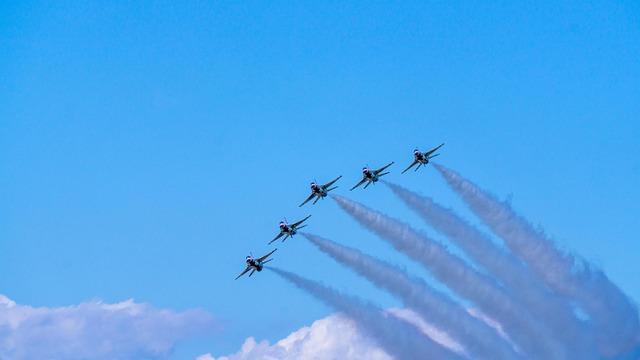
The United States is significantly expanding its military presence in Australia, Defense Minister Richard Marles confirmed in a statement reported by Arab News PK. This development marks a deepening of strategic ties between the two allies amid rising regional security concerns. The increased footprint aims to enhance joint operational capabilities and bolster deterrence in the Indo-Pacific, reflecting a shared commitment to maintaining stability in an increasingly contested geopolitical landscape.
US Expands Military Presence in Australia to Strengthen Indo-Pacific Security
The United States is significantly increasing its military activities and installations in Australia as part of a strategic effort to bolster regional security and maintain a balance of power amid rising tensions in the Indo-Pacific. This expansion aligns with broader international objectives to deter potential threats and ensure the free flow of commerce and navigation in the increasingly contested waters of the South China Sea and beyond. Australian Defense Minister acknowledged the deepening partnership, highlighting the mutual benefits of enhanced joint training exercises, modernized infrastructure, and greater interoperability between the two nations’ armed forces.
Key elements of this strategic initiative include:
- Upgraded military bases with advanced capabilities to support larger US forces and equipment
- Increased frequency of joint drills aimed at improving readiness and strategic coordination
- Expanded intelligence sharing focusing on maritime domain awareness and countering hybrid threats
These developments reflect a shared commitment to a stable and secure Indo-Pacific, signaling to allies and adversaries alike the enduring alliance and collective resolve of the US and Australia.
Defense Minister Details Strategic Benefits and Regional Stability Efforts
The expansion of the US military presence in Australia marks a significant step in enhancing bilateral defense cooperation and fortifying the Indo-Pacific region’s security architecture. According to the defense minister, this strategic move is designed to ensure a more robust and responsive alliance capable of addressing emergent regional threats and fostering lasting peace. The increased deployment includes advanced military assets, joint training exercises, and enhanced intelligence-sharing frameworks, all aimed at reinforcing interoperability between American and Australian forces.
Highlighting the multifaceted advantages, the defense minister emphasized several key benefits:
- Strengthening regional deterrence against any potential aggression or destabilizing activities.
- Boosting economic and technological collaboration in defense industries, creating new opportunities for innovation and jobs.
- Promoting maritime security through increased naval presence and coordinated patrol operations across critical sea lanes.
- Enhancing disaster response capabilities by improving joint preparedness and humanitarian assistance initiatives.
These efforts collectively contribute to a more secure environment, supporting not only mutual defense priorities but also the broader goal of sustaining regional stability in an increasingly complex geopolitical landscape.
Experts Recommend Enhanced Joint Training and Infrastructure Investments for Long-Term Cooperation
Defense analysts emphasize that strengthening allied capabilities goes beyond mere military presence, urging a multifaceted approach that prioritizes sustained joint training programs. These initiatives are designed to enhance interoperability, build trust, and ensure readiness in the face of evolving regional security challenges. Experts highlight that frequent, realistic exercises not only improve tactical coordination but also foster mutual understanding of strategic priorities between the US and Australian forces.
In addition to training, significant investments in infrastructure have been identified as critical for supporting long-term operational effectiveness. Upgrades to bases, logistics hubs, and communication networks will enable rapid deployment and sustainment of forces across the Indo-Pacific theater. Key recommendations include:
- Modernizing existing facilities to support advanced weaponry and technology integration.
- Expanding joint command centers for streamlined decision-making and intelligence sharing.
- Enhancing transport and supply chains to maintain agility and support high-tempo operations.
Collectively, these measures are seen as indispensable for cementing a resilient US-Australia defense partnership aimed at ensuring stability and deterring potential threats over the coming decades.
The Conclusion
As the United States deepens its military presence in Australia, strategic priorities in the Indo-Pacific region continue to evolve amid rising geopolitical tensions. Defense officials underscore that this expanded footprint aims to enhance regional security and strengthen bilateral ties. Observers will be closely watching how these developments influence the balance of power and diplomatic relations in the years ahead.