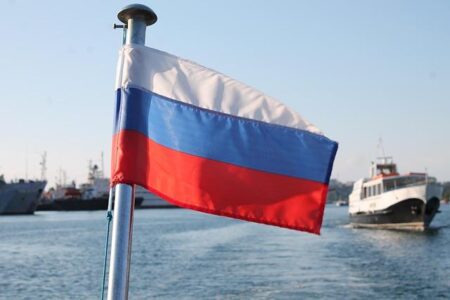

Russian Foreign Minister Sergey Lavrov delivered scathing remarks targeting the leadership of the European Union and the United Nations, escalating diplomatic tensions amid ongoing geopolitical disputes. In comments reported by Yahoo, Lavrov dismissed the efficacy and authority of these international bodies, reflecting Moscow’s growing frustration with what it perceives as biased Western policies. This development adds a new layer of strain to already fraught relations between Russia and key global institutions.
Russia’s Lavrov Criticizes EU and UN Leadership for Alleged Hypocrisy
Russian Foreign Minister Sergey Lavrov launched a pointed critique targeting the European Union and United Nations leadership, accusing them of practicing double standards in their geopolitical approach. During a recent press briefing, Lavrov argued that both entities display selective morality by condemning actions based on political convenience rather than consistent principles. He underscored what he perceives as a pattern of biased interventions and voiced concern over the erosion of international law driven by these institutions.
The minister highlighted several key issues to illustrate his point, including:
- Unilateral sanctions imposed by the EU that ignore global economic impacts.
- Failure of the UN Security Council to enforce resolutions fairly.
- Disproportionate focus on certain conflicts while overlooking others.
Lavrov’s sharp remarks signal continuing tensions as Russia pushes back against Western narratives and asserts its stance on reshaping global diplomacy where multilateral bodies should act impartially and with equal respect for all nations.
Analyzing the Impact of Lavrov’s Remarks on International Diplomatic Relations
Sergei Lavrov’s recent dismissive remarks targeting the leadership of the European Union and the United Nations have ignited a wave of critical responses across international diplomatic circles. By publicly undermining these institutions, Lavrov risks deepening existing rifts and complicating ongoing multilateral negotiations. Experts suggest that such rhetoric serves a dual purpose: to rally domestic support through a projection of strength while simultaneously signaling Russia’s skepticism towards Western-led global governance structures. This posture may embolden Russia’s negotiating stance but could also alienate potential allies, casting a shadow over collaborative efforts in areas such as conflict resolution, climate policy, and global security.
Diplomatic analysts point to several immediate consequences stemming from Lavrov’s comments:
- Heightened Tensions: The remarks exacerbate mistrust, making consensus in forums like the UN Security Council more elusive.
- Strategic Realignments: Countries wary of escalating rhetoric might seek new partnerships, recalibrating existing alliances.
- Public Diplomacy Challenges: Opposition leaders and international organizations may use Lavrov’s language to galvanize counter-narratives reinforcing the legitimacy of multilateral institutions.
Ultimately, these developments underscore the fragile nature of contemporary diplomacy, where provocative statements can derail progress and shape the geopolitical landscape in unpredictable ways.
Recommendations for EU and UN to Address Growing Geopolitical Tensions
To de-escalate mounting geopolitical strains, both the EU and the UN must adopt a proactive and cohesive strategy. Enhanced diplomatic engagement is critical, prioritizing open channels with Russia and other key players to rebuild trust and reduce misunderstandings. This includes leveraging back-channel communications and increasing participation in multilateral forums to foster dialogue. Furthermore, strengthening conflict prevention mechanisms and enforcing international law fairly can prevent further erosion of global stability.
Equally important is the need for the EU and UN to bolster their strategic unity and resilience. Coordinated sanctions policies should be paired with robust humanitarian aid to mitigate civilian suffering without escalating tensions. Additionally, investing in early-warning systems and intelligence-sharing frameworks will empower these institutions to respond swiftly to crises. Lastly, expanding support for regional peacebuilding initiatives and emphasizing comprehensive approaches that include economic, social, and security dimensions are essential to addressing the root causes of conflict.
In Conclusion
As tensions continue to mount on the global stage, Russia’s Foreign Minister Sergey Lavrov’s latest remarks underscore the deepening rift between Moscow and Western institutions. His mockery of the European Union and United Nations leadership not only highlights the ongoing diplomatic discord but also signals a challenging road ahead for international cooperation. Observers will be watching closely to see how these escalating exchanges influence future geopolitical dynamics.