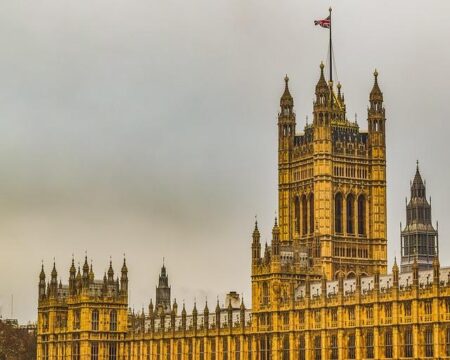
Ten years after the United Kingdom’s historic decision to leave the European Union, questions about the future of UK-EU relations remain as pressing as ever. In this special report, Euronews takes an in-depth look at the political, economic, and social landscape shaped by Brexit, and explores the complex debate surrounding the possibility-and implications-of the UK rejoining the EU. With shifting public opinion, evolving geopolitical realities, and ongoing trade challenges, could a return to the European fold be on the horizon?
The Lingering Economic Impact of Brexit on UK-EU Relations
Since the UK’s departure from the European Union, the ripples across trade, finance, and diplomacy have been profound and enduring. Businesses on both sides of the Channel continue to navigate new customs checks and regulatory divergences, with export delays and increased costs becoming the norm. London’s financial sector, once unstoppable in its EU dominance, has seen a gradual shift of capital and talent to EU cities like Frankfurt and Paris, reshaping the continent’s economic landscape. Meanwhile, the UK’s negotiation of independent trade deals has introduced opportunities yet remains shadowed by complexities in balancing global ambitions with European dependencies.
Key challenges shaping the ongoing economic landscape include:
- Persistent border frictions affecting supply chains and just-in-time manufacturing.
- Shifts in foreign investment patterns, with some investors wary of market uncertainties.
- Regulatory divergence creating compliance burdens for firms operating transnationally.
- Reduced labor mobility leading to talent shortages in critical sectors.
As the UK charts its post-Brexit course, the interplay of these factors continues to define the economic dimension of UK-EU relations, underscoring the delicate balance between sovereignty and interdependence.
Political and Public Sentiment Shaping the Prospect of Rejoining
As the political landscape in the UK shifts, so too does the conversation around the possibility of rejoining the European Union. Recent opinion polls reveal a gradual but notable increase in public support for closer ties with the EU, particularly among younger generations and urban populations. This changing sentiment has sparked renewed debates within major political parties, with some MPs publicly advocating for a second referendum or a softer approach to Brexit. However, deep divisions remain, especially among older voters and those in regions that strongly supported leaving, making any move toward re-entry a complex and contentious endeavor.
Key factors influencing the debate include:
- Economic considerations: Trade disruptions and supply chain challenges continue to fuel calls for realignment with the EU market.
- Geopolitical shifts: The global landscape post-Brexit, including relationships with the US and China, impacts the UK’s strategic calculus.
- National identity and sovereignty: Deep-rooted concerns over sovereignty remain a significant barrier to reversing Brexit decisions.
Despite growing dialogue, political leaders remain cautious, aware that any discussion of rejoining the EU must navigate not only domestic political hurdles but also the EU’s own requirements and public opinion across member states. The road to potential re-entry continues to be influenced by a fragile balance between pragmatism and principle within UK politics.
Strategic Pathways and Policy Recommendations for Renewed EU Membership
As the UK contemplates the possibility of rejoining the European Union, a multi-faceted strategy is essential to navigate the complex political, economic, and social landscapes that have evolved since Brexit. Stakeholders emphasize the importance of rebuilding trust through transparent dialogue and addressing lingering concerns around sovereignty, immigration, and regulatory alignment. Key measures proposed include strengthening parliamentary oversight on EU matters and ensuring the UK’s contributions and benefits are balanced fairly, reflecting the country’s distinct national interests.
Policy experts advocate for a phased approach that prioritizes constructive engagement in shared areas such as climate change, security cooperation, and research funding. This approach should be underpinned by:
- Enhanced diplomatic initiatives: Re-establishing channels for continuous dialogue between UK and EU policymakers.
- Targeted economic incentives: Encouraging sectors most impacted by Brexit to benefit from gradual reintegration.
- Public engagement campaigns: Fostering a well-informed citizenry to support any future referendum or parliamentary decision.
Ultimately, whether and how the UK might rejoin the EU will depend not only on political will but on crafting policies that resonate with both British and European publics, ensuring mutual benefit and sustainable cooperation.
To Wrap It Up
As the UK marks a decade since its historic departure from the European Union, questions about its future relationship with the bloc continue to stir political debate and public interest. While rejoining the EU remains a complex and contentious proposition, evolving economic realities and shifting public sentiments suggest that the conversation is far from closed. Euronews will continue to monitor this unfolding story, offering in-depth analysis and updates on the UK’s place within, or apart from, Europe’s political landscape.