
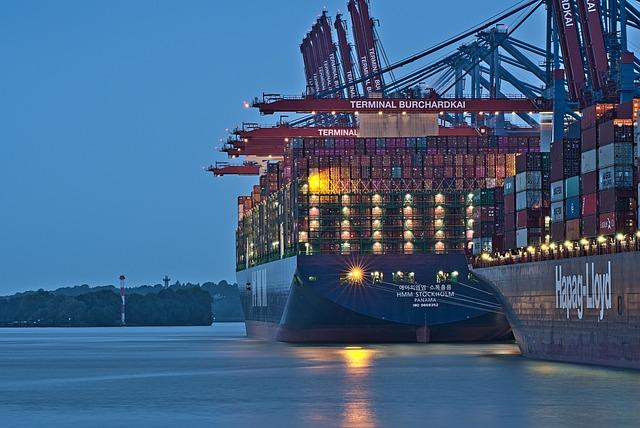
In a significant escalation of ongoing tensions between China and Japan, Beijing has announced tightened trade restrictions targeting 20 Japanese companies, citing national security concerns. The move marks a sharp intensification in the diplomatic row between the two economic powerhouses, as both nations navigate complex geopolitical and security issues in the region. This latest development, reported by NDTV Profit, underscores the growing friction affecting bilateral trade relations and raises questions about the broader impact on regional stability and international markets.
China Imposes Stricter Trade Controls Targeting 20 Japanese Companies Over Security Dispute
In a decisive move escalating tensions between the two economic giants, Chinese authorities have announced enhanced trade restrictions targeting twenty Japanese companies. This regulatory action comes amid an ongoing security dispute that has strained bilateral relations. The affected entities, spanning sectors from technology to manufacturing, now face rigorous compliance reviews and tightened export controls, which are expected to disrupt their supply chains and operational capabilities within China. Industry analysts warn that this development could significantly impact regional trade dynamics and prompt a re-evaluation of corporate strategies among other foreign businesses operating in China.
Key measures implemented include:
- Comprehensive audits on import-export licenses issued to the targeted firms
- Restrictions on the transfer of sensitive technologies and components
- Increased scrutiny of joint ventures and partnerships involving these companies
The move underscores Beijing’s intent to leverage economic tools in its geopolitical disputes, signaling a new chapter in the ongoing security frictions with Tokyo. Both governments are expected to engage in diplomatic discussions as the international community monitors the situation for potential ripple effects on global trade networks.
Impact of New Chinese Trade Restrictions on Japan’s Technology and Manufacturing Sectors
The recent enforcement of trade restrictions on 20 Japanese companies marks a significant escalation in the simmering security dispute between China and Japan, threatening to destabilize Japan’s core technology and manufacturing sectors. These sanctions specifically target firms involved in advanced semiconductor production and high-tech manufacturing, sectors that have been pivotal to Japan’s economic prowess. Industry analysts warn that supply chain disruptions could ripple across global markets, as Japanese manufacturers rely heavily on the seamless import and export of critical components. The restrictions not only jeopardize ongoing projects but also raise concerns about the reliability of China as a key trading partner in sensitive technological fields.
Companies now face mounting challenges such as:
- Limited access to essential raw materials and components sourced from China
- Delays in production timelines due to tightened customs and regulatory scrutiny
- Heightened operational costs as alternative suppliers may command premium prices
- Increased geopolitical risks that could deter foreign investment in Japan’s technology sector
This development underscores a growing trend of economic decoupling amid geopolitical tensions, prompting Japanese firms to accelerate diversification strategies and seek new partnerships in Asia and beyond to mitigate the impact of China’s tightened controls.
Expert Analysis and Strategic Recommendations for Japanese Businesses Navigating China’s Regulatory Clampdown
As tensions escalate between China and Japan, affected Japanese companies face an increasingly complex compliance landscape. The recent tightening of trade restrictions underscores the necessity for businesses to conduct thorough due diligence and reassess supply chain vulnerabilities. Experts advise Japanese firms to adopt a multi-layered risk management approach, which includes:
- Enhanced regulatory monitoring to stay aligned with real-time policy shifts in both Chinese and global markets.
- Diversification of sourcing and manufacturing bases to reduce overdependence on single geographies vulnerable to geopolitical risks.
- Strategic engagement with legal counsel specializing in international trade law and sanctions compliance.
Moreover, cultivating transparent communication channels with governmental bodies and industry associations is critical for anticipating regulatory developments. Japanese firms are encouraged to invest in advanced compliance technologies, such as AI-driven transaction screening systems, to proactively identify and mitigate exposure to embargoed entities. By integrating these strategic measures, businesses can better safeguard operational continuity amid ongoing regulatory uncertainties and maintain their competitive edge in the Asia-Pacific region.
In Retrospect
As tensions between China and Japan continue to escalate, the recent tightening of trade restrictions marks a significant development in their ongoing security dispute. Observers will be closely watching how these measures impact bilateral trade relations and regional stability in the coming months. Stakeholders on both sides face heightened uncertainty as diplomatic efforts to resolve the underlying issues remain complex and fragile.