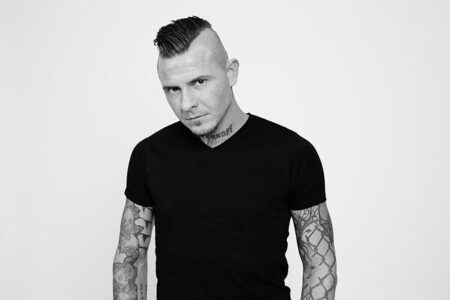
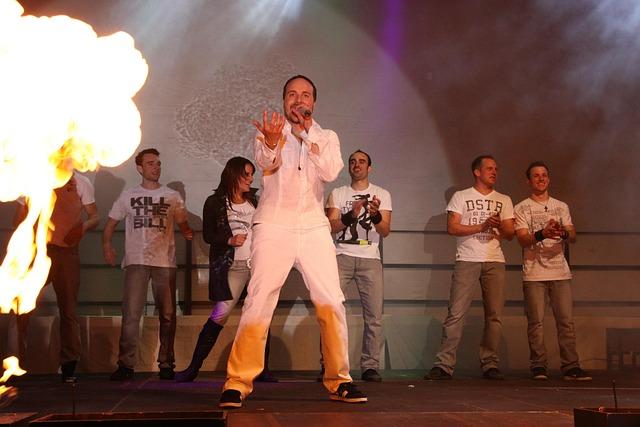
Tommy Robinson, a controversial figure known for his far-right activism and outspoken views on Islam and immigration, has once again thrust himself into the media spotlight-and at a significant cost. His recent appearance as a guest on Australian television host Karl Stefanovic’s program has sparked a storm of backlash, ultimately leading to Stefanovic’s departure from the network. As debate intensifies over the boundaries of free speech and platforming contentious voices, Robinson’s role in this unfolding controversy offers a revealing glimpse into the fraught intersection of politics, media, and public accountability.
Who is Tommy Robinson The Controversial Figure Behind the Public Backlash
Tommy Robinson, born Stephen Yaxley-Lennon, is a figure synonymous with far-right activism and public controversy in the United Kingdom. Rising to prominence as the co-founder of the English Defence League (EDL), Robinson has built a reputation through his vocal opposition to Islamism and immigration policies. His methods and rhetoric have frequently sparked heated debates, with critics accusing him of inciting division and fueling xenophobia. Despite legal battles and multiple arrests related to his activism, Robinson has maintained a strong following online, where he leverages social media to disseminate his views and challenge mainstream narratives.
Robinson’s notoriety extends beyond the UK, impacting international conversations once his perspectives garnered attention on global platforms. His recent appearance alongside Australian TV personality Karl Stefanovic ignited a fierce public backlash, highlighting the sensitive nature of platforming controversial figures in mainstream media. The response to the broadcast underscored concerns about:
- Legitimizing extremist views through mainstream media exposure.
- The responsibility of broadcasters in vetting guests with controversial histories.
- Potential harm to social cohesion by amplifying divisive figures.
These points have spurred national debates in Australia, culminating in Stefanovic’s resignation and fueling ongoing conversations about the boundaries of free speech versus social responsibility in media.
How Tommy Robinson’s Appearance Led to Karl Stefanovic’s Career Fallout
Karl Stefanovic’s decision to host Tommy Robinson on his morning show ignited a firestorm of controversy that ultimately reshaped his career trajectory. Robinson, a figure synonymous with far-right activism and divisive rhetoric, stirred immediate backlash from viewers and industry peers alike. The interview was criticized for providing a platform to a personality accused of spreading hate speech, which contrasted sharply with the network’s previously established editorial values. The public outcry was swift and unforgiving, with calls for accountability and a reevaluation of Stefanovic’s role within the network growing louder by the day.
Internally, the fallout manifested in strained relationships and a tangible shift in the network’s trust towards Stefanovic’s judgment calls. Key industry professionals cited the broadcast as a critical misstep that impacted advertiser confidence and viewer loyalty. The incident underscored the delicate balance media personalities must maintain between provocative content and responsible journalism. Among the consequences:
- Increased scrutiny from media watchdogs and advocacy groups.
- Diminished standing within the broadcasting community.
- Heightened pressure from network executives leading to reassignment and eventual departure.
Lessons for Media Personalities Navigating Controversial Guest Selections
Media figures must exercise heightened discernment when inviting controversial guests, recognizing that their choices can profoundly impact both their reputation and career trajectory. In the case of Karl Stefanovic, the decision to feature Tommy Robinson-a figure shadowed by extremist associations-underscored the dangers of platforming divisive voices without thorough vetting. Public backlash intensified rapidly, proving that audiences are increasingly intolerant of perceived endorsements of polarizing ideologies. This incident serves as a cautionary tale about the need for balancing journalistic curiosity with ethical responsibility.
To navigate such complexities effectively, media personalities should adopt rigorous protocols, including:
- Comprehensive background research on potential guests to understand their public narratives and controversies.
- Consultations with editorial teams and legal advisors to assess risks associated with the guest’s presence.
- Preparedness for audience response, including strategies for contextualizing the guest’s viewpoints within the broader discourse.
- Transparent communication with viewers to clarify the intent behind the guest’s selection, mitigating misunderstandings.
By integrating these practices, media professionals can better safeguard their platforms from reputational damage while fostering informed and responsible public dialogue.
The Way Forward
In the aftermath of Tommy Robinson’s controversial appearance on Karl Stefanovic’s show, the repercussions have been swift and significant, ultimately leading to Stefanovic’s departure from the network. This incident has sparked a wider conversation about the responsibilities of media figures in platforming divisive personalities and the impact such decisions can have on public discourse and careers alike. As Australia’s media landscape continues to navigate these challenges, the fallout from this episode serves as a cautionary tale about the delicate balance between free speech and accountability in modern journalism.