
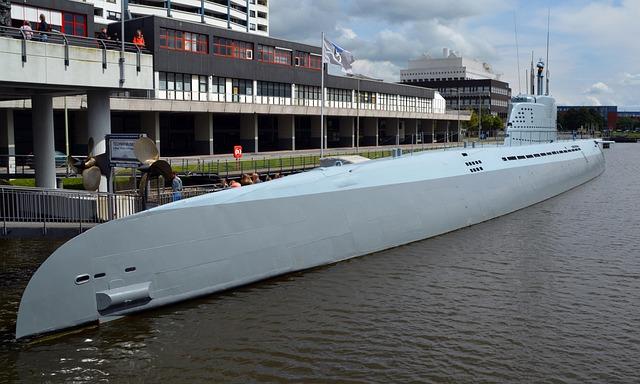
Ahead of the upcoming NATO summit, Canada is set to officially launch the procurement process for 12 advanced submarines, marking a significant step in the country’s defense modernization efforts. The announcement, scheduled for today, underscores Canada’s commitment to enhancing its naval capabilities amid growing geopolitical tensions and the evolving security landscape. This move aims to bolster Canada’s role within the alliance and strengthen maritime defense in the North Atlantic and Arctic regions.
Canada Launches Submarine Procurement Project to Modernize Naval Capabilities
In a decisive move to bolster its maritime strength, Canada is set to initiate the procurement of 12 advanced submarines, marking a significant step in modernizing its naval fleet. This initiative is aligned with the upcoming NATO summit, underscoring Canada’s commitment to enhancing its defense capabilities amidst growing global security challenges. The new submarines will be equipped with cutting-edge technology designed to improve stealth, endurance, and firepower, ensuring the Royal Canadian Navy remains a formidable force in the North Atlantic and beyond.
Key features of the procurement project include:
- State-of-the-art stealth systems to reduce detection risks.
- Enhanced underwater endurance for extended missions.
- Integration with allied naval forces to facilitate joint operations.
- Advanced weaponry capable of countering emerging maritime threats.
This substantial investment not only reinforces Canada’s national security but also signals robust support for NATO’s collective defense framework, reflecting a strategic pivot towards strengthening maritime deterrence in an increasingly volatile geopolitical landscape.
Strategic Implications of Canada’s Submarine Acquisition for NATO and Arctic Security
The decision to initiate the procurement of 12 advanced submarines marks a pivotal moment for Canada’s defense posture within NATO and the broader Arctic region. This move is set to significantly enhance underwater capabilities, allowing Canada to play a more assertive role in securing vital sea lanes and deterring potential threats in the increasingly strategic Arctic theater. The submarines’ advanced stealth technology and extended operational range will bolster surveillance and rapid response efforts, essential for monitoring Russian and Chinese activities amid rising geopolitical tensions.
Key strategic benefits include:
- Strengthening NATO’s collective maritime deterrence by adding a versatile underwater fleet capable of joint operations in the North Atlantic.
- Enhancing Canada’s ability to protect sovereign interests and critical infrastructure in the Arctic, including undersea communication cables and natural resources.
- Supporting allied interoperability through cutting-edge technology integration and intelligence sharing with NATO partners.
- Addressing the increasing challenges posed by climate change, which is opening new navigable routes requiring vigilant security oversight.
Experts Recommend Strengthening Domestic Shipbuilding and Enhancing Operational Readiness
Industry experts underscore the critical need for Canada to boost its domestic shipbuilding capabilities to meet the ambitious procurement of 12 new submarines. Emphasizing the strategic importance of sovereignty and defense autonomy, they advocate for increased investment in Canadian shipyards and workforce training. This approach not only promises job creation and economic growth but also ensures that the country maintains full control over the maintenance, upgrades, and lifecycle management of its naval assets. Building these vessels domestically is seen as a step toward reducing dependency on foreign suppliers and enhancing national security resilience in an increasingly complex geopolitical environment.
Alongside expanding domestic production, defense analysts stress the importance of enhancing operational readiness to maximize the impact of the new fleet. They recommend a comprehensive upgrade to existing naval infrastructure, streamlined logistics, and rigorous crew training programs. Key focus areas include:
- Advanced simulation technologies to prepare personnel for diverse, high-stakes maritime scenarios.
- Integrated command and control systems to facilitate faster decision-making and improved coordination across allied forces.
- Regular maintenance cycles and rapid deployment protocols to minimize downtime and maximize fleet availability.
These measures aim to ensure that Canada’s submarine fleet maintains a constant state of readiness, effectively reinforcing national defense and contributing to NATO’s collective security objectives.
Future Outlook
As Canada takes a decisive step in modernizing its naval capabilities with the launch of the 12-submarine procurement program, all eyes will be on how this move aligns with broader defense strategies ahead of the upcoming NATO summit. The initiative underscores Canada’s commitment to enhancing its maritime security and contributing robustly to collective defense efforts within the alliance. Observers will be watching closely to see how this procurement shapes Canada’s role on the global stage in the years to come.