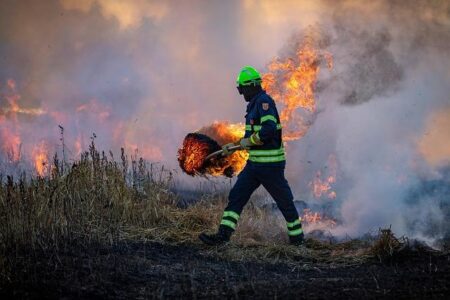

A recent report from Germany’s Robert Koch Institute (RKI) has revealed a grim toll from the recent heatwave, attributing over 5,000 deaths to the extreme temperatures. The findings underscore the growing human cost of climate-related events in Europe, as authorities and experts call for urgent measures to mitigate the health impacts of rising heat extremes. This report adds to mounting evidence that heatwaves are becoming deadlier, prompting renewed discussions on public health preparedness and climate adaptation strategies across Germany and beyond.
Heatwave Causes Significant Rise in Mortality Across Germany
Germany is grappling with a severe public health crisis as recent data from the Robert Koch Institute (RKI) reveals a startling surge in mortality attributed to the ongoing heatwave. Over 5,000 excess deaths have been recorded, marking one of the deadliest heat episodes in recent history. Vulnerable groups, including the elderly and those with pre-existing medical conditions, have borne the brunt of the crisis, highlighting systemic gaps in preparedness and response measures. Public health officials are urging immediate action to mitigate the impact, emphasizing the urgent need for heat adaptation strategies across urban and rural areas alike.
Key factors contributing to the heightened mortality include:
- Extended periods of extreme temperatures: Prolonged heat has overwhelmed vulnerable individuals, leading to heatstroke and aggravated chronic illnesses.
- Inadequate cooling infrastructure: Many residential areas lack sufficient access to air conditioning and cooling centers, exacerbating health risks.
- Delayed public advisories: Communication around heat risks and protective measures was criticized for being insufficiently timely and targeted.
The RKI’s findings have sparked renewed debates on climate resilience and healthcare system readiness, with experts calling for integrated policies to safeguard populations against the intensifying impacts of global warming.
Experts Detail Vulnerable Groups and Underlying Health Risks
Health experts have identified several populations at heightened risk during the recent unprecedented heatwave across Germany. Vulnerable groups include the elderly, young children, individuals with pre-existing chronic illnesses, and those living in urban areas where the “heat island” effect exacerbates temperature extremes. Among the health challenges faced, dehydration, heat exhaustion, and exacerbation of cardiovascular and respiratory conditions have emerged as leading causes of heat-related fatalities. Vulnerable groups often lack adequate access to cooling facilities or suffer from social isolation, which further increases their risk.
Underlying health conditions amplify the threat posed by extreme heat. Experts emphasize that persons with heart disease, diabetes, respiratory disorders, and mental health conditions are particularly susceptible to complications during prolonged heat exposure. Additionally, lifestyle factors, such as inactivity, poor hydration habits, and medication that affect the body’s ability to regulate temperature, contribute to the vulnerability. Preventative measures tailored to these groups-such as increased monitoring, community support networks, and public awareness campaigns-are vital to mitigate the fatal impact of future heatwaves.
Authorities Urge Public to Follow Heat Safety Measures Amid Ongoing Temperature Spikes
Health officials have issued urgent recommendations as soaring temperatures continue to sweep across Germany, exacerbating the risks associated with prolonged heat exposure. The Robert Koch Institute (RKI) reports a staggering rise in heat-related fatalities, emphasizing that vulnerable populations such as the elderly, young children, and those with chronic illnesses remain particularly at risk. To mitigate these dangers, authorities are stressing the importance of adopting proactive heat safety practices to protect lives amid the relentless heatwave gripping the region.
Key measures advised include:
- Stay hydrated: Drink plenty of water and avoid alcohol or caffeine which can dehydrate the body.
- Limit outdoor activities: Especially during peak afternoon hours when temperatures are highest.
- Wear light, loose clothing: Use hats and sunscreen to protect against harmful UV rays.
- Check on vulnerable individuals: Make sure elderly family members and neighbors have access to cool environments.
- Utilize cooling centers: Seek public air-conditioned spaces if home cooling is insufficient.
Authorities continue monitoring the situation closely and urge citizens to heed these guidelines as the heatwave shows no sign of abating in the coming days.
To Conclude
As Germany contends with the devastating human toll of this summer’s heatwave, public health officials and policymakers face mounting pressure to implement measures that can mitigate the impact of extreme temperatures in the future. The Robert Koch Institute’s report underscores the urgent need for comprehensive strategies to protect vulnerable populations and strengthen the country’s resilience against increasingly frequent and severe heat events. With climate experts warning that such heatwaves are likely to become more common, the findings serve as a stark reminder of the growing public health challenges posed by a warming world.