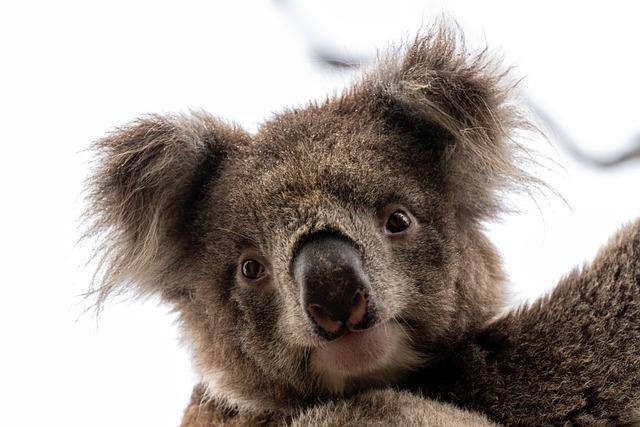
Australia has claimed the top spot as the world’s best wildlife destination, surpassing long-time favourites South Africa and Kenya, according to a recent global ranking. The island nation’s unique biodiversity, expansive national parks, and iconic species such as kangaroos, koalas, and elusive platypuses have captivated experts and travellers alike. This accolade highlights Australia’s growing reputation as a premier ecotourism hotspot, drawing attention to its efforts in conservation and sustainable wildlife experiences.
Australia Emerges as Leading Wildlife Destination with Unique Biodiversity
Australia’s unparalleled ecosystems and diverse habitats have distinguished the country as a top choice for wildlife enthusiasts worldwide. From the arid Outback to lush rainforests and vibrant coral reefs, the continent shelters an extraordinary range of species found nowhere else on Earth. Iconic animals such as kangaroos, koalas, and platypuses coexist with a myriad of exotic birds, reptiles, and marine life, making Australia a living sanctuary of biodiversity. Recent global rankings have recognized the nation’s unique appeal, positioning it ahead of renowned wildlife hotspots like South Africa and Kenya.
Tourists flock to Australia not only to witness its majestic fauna but also to experience immersive encounters in diverse environments. Key highlights include:
- The Great Barrier Reef: The world’s largest coral reef system teeming with colorful marine species.
- Uluru-Kata Tjuta National Park: Iconic red rock formations granting insight into Aboriginal culture alongside native wildlife.
- Daintree Rainforest: One of the oldest tropical rainforests harboring rare bird species and ancient flora.
These natural wonders contribute to Australia’s rising profile as a top-tier destination where conservation and adventure go hand in hand, attracting ecotourists and researchers alike.
Comparing Wildlife Experiences Across Australia South Africa and Kenya
When it comes to immersive wildlife encounters, Australia offers an unparalleled diversity that has recently positioned it ahead of iconic safaris in South Africa and Kenya. The continent’s unique ecosystem is home to charismatic species such as kangaroos, koalas, and the elusive platypus, alongside vast national parks where visitors can witness everything from marsupials thriving in eucalyptus forests to vibrant marine life along the Great Barrier Reef. Unlike the primarily savannah landscapes found in Africa, Australia’s varied terrain provides a backdrop for wildlife experiences that combine both land and sea in extraordinary ways.
South Africa and Kenya, on the other hand, remain global favorites for traditional safari adventures that highlight the continent’s Big Five-lion, leopard, elephant, buffalo, and rhino. These countries offer vast game reserves and meticulously preserved ecosystems, attracting those eager to spot the dramatic predator-prey dynamics and large herds iconic to African plains. Yet, while South Africa and Kenya excel in classic safari storytelling, Australia’s ability to offer a broader spectrum of wildlife habitats and species diversity continues to captivate global travelers, ultimately tipping the scales in its favor as the world’s best wildlife destination.
- Australia: Unique marsupials, vibrant coral reefs, diverse ecosystems
- South Africa: Renowned game reserves, Big Five sightings, expansive landscapes
- Kenya: Timed migration phenomena, iconic savannahs, deep-rooted safari culture
Top Recommendations for Exploring Australia’s Premier Wildlife Hotspots
Australia’s unparalleled biodiversity offers an immersive experience for nature enthusiasts eager to witness its unique fauna in their natural habitats. For those planning an expedition, Kakadu National Park in the Northern Territory stands out as a must-visit, where visitors can spot saltwater crocodiles gliding through lush wetlands and rare bird species soaring overhead. Meanwhile, the nocturnal glow of the Tasmanian Wilderness provides a rare chance to encounter elusive marsupials like the Tasmanian devil, showcasing the island’s rich ecological tapestry.
Further south, the Great Barrier Reef remains a hotspot not only for its vibrant marine life but also as a sanctuary for dugongs and sea turtles. On land, the Daintree Rainforest invites travelers to traverse ancient ecosystems, home to tree kangaroos and cassowaries. To fully appreciate Australia’s premier wildlife wonders, guided eco-tours offer expert insights, ensuring visitors leave with unforgettable memories while supporting conservation efforts.
- Kakadu National Park: Crocodile spotting and birdwatching
- Tasmanian Wilderness: Tasmanian devils and nocturnal wildlife
- Great Barrier Reef: Marine biodiversity and sea turtle encounters
- Daintree Rainforest: Ancient flora and rare marsupials
To Conclude
As Australia secures its position at the pinnacle of global wildlife destinations, surpassing long-time favorites South Africa and Kenya, the nation’s unique biodiversity and commitment to conservation continue to capture the world’s attention. This recognition not only highlights Australia’s rich natural heritage but also underscores the growing appeal of eco-tourism. As travelers increasingly seek authentic and sustainable wildlife experiences, Australia is poised to maintain its status as a premier destination for nature enthusiasts worldwide.