
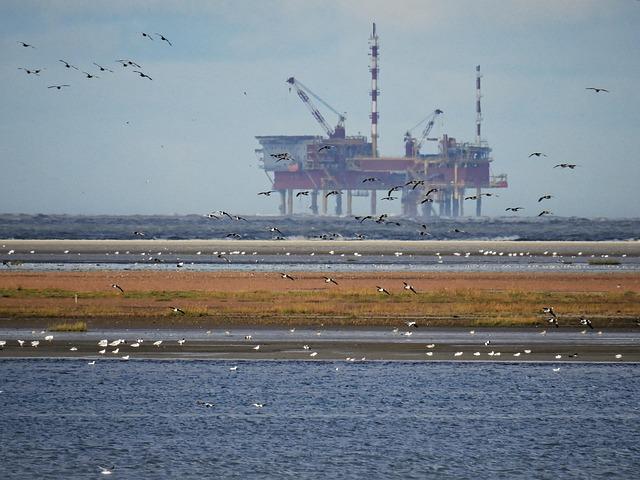
The North Sea oil industry has intensified calls for Greater Manchester Mayor Andy Burnham to endorse new drilling projects in UK waters, framing the decision as crucial for energy security and economic growth. As the sector faces mounting pressures from global markets and policy shifts, industry leaders argue that expanding offshore extraction is vital to safeguarding jobs and reducing reliance on foreign imports. The debate comes amid growing environmental concerns and a push towards renewable energy, highlighting the complex balance between economic interests and climate commitments.
North Sea Oil Industry Appeals to Burnham for Expansion in UK Waters
The North Sea oil sector has intensified its campaign to gain governmental approval for expanding drilling operations within UK maritime boundaries. Industry representatives emphasize that increased extraction activities could bolster the nation’s energy security amid global market instabilities. They argue that new projects would not only extend the operational lifespan of aging oil fields but also generate significant economic benefits, including job creation and increased tax revenues.
Key demands put forward by the industry include:
- Streamlined regulatory processes to expedite project launches.
- Investment incentives to attract private sector participation.
- Commitments for sustainable practices to align with environmental standards.
Despite mounting pressure, government officials remain cautious, weighing environmental concerns against economic interests. The decision could signal a pivotal moment in the UK’s energy policy, balancing traditional fossil fuel reliance with the ongoing transition toward renewable alternatives.
Environmental and Economic Implications of Approving New Drilling Projects
The call to greenlight fresh drilling licenses in the UK’s North Sea waters is set against a backdrop of complex environmental concerns. Critics highlight that expanding offshore extraction could exacerbate carbon emissions, undermining national and global climate targets. Environmental groups warn that increased offshore activity risks disturbing fragile marine ecosystems, threatening biodiversity and potentially causing long-term ecological damage. Key issues include:
- Increased greenhouse gas emissions tied to extraction and downstream combustion of fossil fuels
- Potential oil spills and leaks that could irreversibly impact sea life and coastal communities
- Disruption of migratory patterns and habitats of endangered marine species
Conversely, proponents argue that approving these projects could shore up economic resilience amid global energy uncertainties. Advocates from the oil sector emphasize job creation, both directly and in ancillary industries, as well as the potential for significant government revenues through taxation and royalties. They claim that sustained production is crucial to ensuring energy security and supporting post-pandemic economic recovery. Key economic factors being highlighted include:
- Preservation and creation of thousands of skilled jobs across multiple regions
- Strengthened domestic energy supply reducing dependence on volatile international markets
- Increased fiscal contributions to public services and infrastructure development
Experts Recommend Balanced Approach to Meet Energy Demands and Climate Goals
Industry leaders and environmental experts alike emphasize the necessity of a pragmatic strategy that balances the UK’s immediate energy requirements with its ambitious climate targets. While the push for increased drilling in the North Sea signals a desire for energy security and economic growth, many caution that this must be accompanied by accelerated investments in renewable technologies and carbon reduction initiatives. The conversation acknowledges the complex interplay between sustaining livelihoods and ensuring a sustainable future, calling for policy frameworks that incentivize both fossil fuel production and green innovation.
Key recommendations from experts include:
- Phased development of new drilling projects aligned with stringent environmental safeguards.
- Robust monitoring and regulation to minimize ecological impact and methane emissions.
- Increased funding for offshore wind, hydrogen, and carbon capture infrastructure as complementary solutions.
- Collaboration between government, industry, and environmental groups to ensure transparent progress tracking.
This multifaceted approach is seen as essential to meeting the UK’s dual objectives of energy reliability and climate responsibility without compromising on either front.
Wrapping Up
As the debate over the future of the UK’s energy landscape intensifies, the North Sea oil industry’s call for new drilling approvals adds a critical dimension to ongoing discussions about energy security, economic growth, and environmental responsibility. With Greater Manchester Mayor Andy Burnham’s decision pending, stakeholders and observers alike await a move that could shape the region’s energy strategy for years to come. The outcome will not only influence the trajectory of the UK’s oil production but also reverberate across political and environmental arenas as the country navigates its path toward a sustainable future.