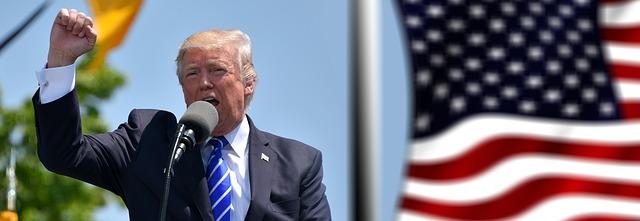
Former President Donald Trump issued a stern warning to China and Russia against providing support to Iran amid a surge in regional military strikes. Speaking amid escalating tensions in the Middle East, Trump cautioned that any assistance from these global powers could further destabilize the situation and provoke severe consequences. This latest development adds a new dimension to an already complex geopolitical landscape, as the international community closely watches Iran’s growing confrontation with its adversaries.
Trump Issues Stern Warning to China and Russia Over Support for Iran
Former President Donald Trump has publicly condemned the growing backing of Iran by China and Russia, issuing a sharp admonition about the consequences of their involvement amid recent intensified military actions. He emphasized that continued support risks escalating regional tensions and could provoke unprecedented economic and political pushback against both nations. Trump’s statement underscores the urgency of international restraint, urging global powers to reconsider their alliances in light of Iran’s provocations.
Key points from Trump’s warning include:
- China and Russia face serious repercussions if they provide aid to Iran’s military efforts.
- U.S. vigilance remains high to counteract any foreign assistance that may bolster Tehran’s aggressive campaigns.
- The need for a unified global stance against destabilizing actions in the Middle East is paramount to preserving peace.
Analyzing the Geopolitical Risks of Foreign Aid to Iran Amid Intensifying Strikes
As tensions escalate in Iran due to intensified strikes, the international community finds itself navigating a complex web of geopolitical risks surrounding foreign aid. The involvement of global powers China and Russia, key players in Iran’s strategic partnerships, has drawn sharp criticism from the United States, signaling a broader contest for influence in the region. These dynamics heighten the stakes, with concerns that aid could inadvertently prolong conflict or empower factions that undermine regional stability.
Experts highlight several critical risks in this volatile environment:
- Destabilization: Foreign aid might fuel further unrest by equipping groups engaged in the strikes, exacerbating violence and civilian suffering.
- Proxy conflicts: Support for Iran from China or Russia could deepen proxy confrontations, drawing more countries into indirect clashes through financial or material support.
- Diplomatic isolation: Increased foreign backing may trigger sanctions or punitive measures from Western powers, restricting Iran’s international engagement and economic recovery.
- Escalation of regional tensions: Neighboring countries may react aggressively, fearing shifts in the regional power balance influenced by such aid.
Diplomatic Strategies Recommended to Curb Escalation in Middle East Conflict
In light of rising tensions in the Middle East, several diplomatic channels must be leveraged to prevent further escalation. Engaging regional stakeholders through multilateral talks remains crucial, ensuring that conflicting parties have a platform to air grievances and negotiate ceasefires. Additionally, back-channel communications, often away from public scrutiny, can play a pivotal role in de-escalating misunderstandings before they spiral out of control. This approach encourages open dialogue without the pressure of international spotlight, which sometimes exacerbates conflicts.
Furthermore, international powers should focus on concrete confidence-building measures, including:
- Implementing arms embargoes targeting volatile zones
- Facilitating humanitarian corridors to ease civilian suffering
- Promoting economic incentives to encourage peace efforts
Coordinated diplomatic pressure, especially from influential players like the U.S., China, and Russia, is essential to persuade all sides to avoid external assistance that could intensify the conflict, thereby preserving regional stability.
Final Thoughts
As tensions continue to escalate in the region, the international community watches closely for any shifts in alliances and actions. Former President Donald Trump’s recent warning to China and Russia underscores the heightened stakes surrounding Iran’s ongoing strikes. With geopolitical dynamics at a delicate tipping point, the global implications of these developments remain uncertain, signaling a critical period ahead for diplomatic engagement and conflict prevention.