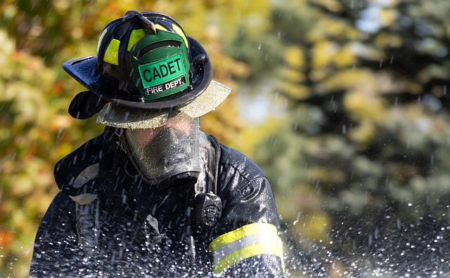
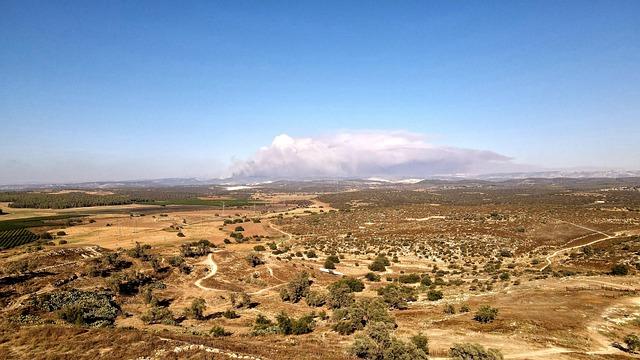
Massive wildfires have swept across large swaths of southern France and Spain, prompting the evacuation of approximately 300,000 residents amid growing concerns over the fires’ unpredictable behavior. Authorities are grappling with rapidly changing conditions fueled by extreme heat and strong winds, which have made containment efforts increasingly challenging. As firefighting teams battle to control the blazes, the situation remains fluid, with several communities forced to abandon their homes to escape the advancing flames. This unprecedented emergency highlights the escalating threat of wildfires in Europe’s Mediterranean region amid worsening climate conditions.
Unprecedented Wildfire Spread Overwhelms Southern France and Spain
Blistering heatwaves combined with prolonged drought conditions have ignited a series of ferocious wildfires across southern France and Spain, forcing authorities to initiate one of the largest evacuations in recent history. More than 300,000 residents have been displaced as flames consume thousands of hectares of forests and farmland, leaving devastated communities grappling with smoky skies and dangerous air quality. Firefighters struggle to contain the blazes amid shifting winds and relentless heat, while emergency services coordinate urgent rescue and relief efforts.
The disaster has prompted a swift governmental and international response, with additional firefighting fleets and humanitarian aid deployed to the region. Key factors complicating containment include:
- Extreme drought exacerbating vegetation dryness
- Rapidly changing wind patterns spreading flames unpredictably
- Limited accessibility to remote fire zones
- Overburdened emergency infrastructures facing mounting pressure
Authorities continue to warn of potential flare-ups as temperatures remain elevated, urging residents to stay alert and comply with evacuation orders. The unprecedented scale and speed of the wildfires highlight urgent environmental concerns linked to climate change and the increasing volatility of natural disasters in the region.
Authorities Launch Massive Evacuation Efforts Amid Fierce Blaze
Emergency services across France and Spain have mobilized swiftly in response to the rapidly spreading wildfires that have consumed vast swaths of forest and residential areas. With flames advancing unpredictably due to shifting winds and relentless heat, officials have prioritized the safety of vulnerable communities, coordinating large-scale evacuations that now total over 300,000 residents. Evacuation centers have been set up in multiple locations, offering shelter and essential supplies to displaced families, while aerial units continue to assist ground crews in containment efforts.
Authorities have emphasized key precautions for evacuees, including:
- Carrying essential documents and emergency kits
- Following official routes and avoiding blocked roads
- Staying informed through verified news sources and official announcements
- Reporting to designated shelters promptly
Despite the massive response, firefighters and local officials caution that the unpredictable nature of the blaze, fueled by dry conditions and gusting winds, continues to pose significant challenges. Resources are being bolstered with reinforcements from neighboring regions, as containment remains a top priority and authorities work relentlessly to limit the destruction while ensuring public safety.
Experts Call for Enhanced Forest Management and Climate Adaptation Strategies
In the wake of the devastating wildfires that have ravaged vast stretches of France and Spain, environmental scientists and forestry experts have underscored the urgent necessity for a paradigm shift in how forests are managed. The unprecedented scale and intensity of these fires have exposed critical vulnerabilities in current strategies, prompting calls for integrated forest management approaches that prioritize ecosystem resilience and fire prevention. Experts advocate for the adoption of controlled burns, enhanced monitoring technologies, and the restoration of natural firebreaks to mitigate the rapid spread of such blazes in the future.
Moreover, climate specialists emphasize the imperative need to weave climate adaptation frameworks into forest conservation plans. With heatwaves becoming more frequent and prolonged, traditional methods alone prove insufficient against the evolving fire dynamics. Key recommendations include:
- Investment in climate-resilient tree species and biodiversity conservation
- Strengthening community engagement and awareness programs on wildfire risks
- Upgrading early warning systems leveraging real-time satellite and drone data
- Collaborative cross-border policies to address transnational fire management
Failing to act decisively on these fronts risks not only further environmental degradation but also significant socio-economic consequences for the affected regions.
Final Thoughts
As wildfires continue to ravage vast areas of France and Spain, authorities remain on high alert, coordinating extensive evacuation and firefighting efforts to protect vulnerable communities. The scale and unpredictability of these blazes highlight the growing challenges posed by extreme weather conditions and climate change. Officials have urged residents to stay informed and adhere to safety guidelines as emergency operations persist. The situation remains fluid, with updates expected as firefighters strive to contain the fires and mitigate further damage.