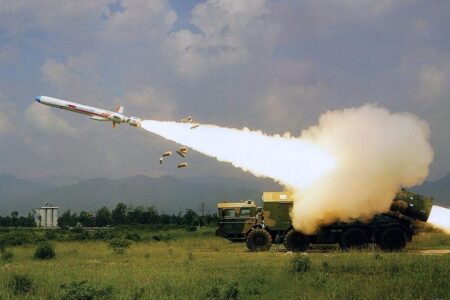
In a stunning turn of events, India and Pakistan have found themselves embroiled in a fierce military confrontation, unveiling an impressive arsenal of advanced weaponry. From cutting-edge Chinese missiles to sleek French jets and high-tech Israeli drones, the clash underscores the intricate web of geopolitics that defines South Asia today. As regional tensions continue to mount, this conflict serves as a stark reminder of the volatile landscape in which these nations operate.
Browsing: Arms Trade
The US has greenlit a significant $131 million sale of cutting-edge defense software and equipment to India, marking a pivotal step in strengthening bilateral security cooperation. This strategic deal is designed to enhance India’s defense capabilities in the face of regional tensions, highlighting the deepening partnership between these two nations.
In a bold move, Spain has chosen to scrap its planned acquisition of Israeli-made bullets, responding to escalating internal pressure and widespread public outcry. This pivotal decision underscores the rising unease surrounding arms sales and the ethical dilemmas tied to military supplies.
European-made weapons have surfaced in conflict zones throughout Sudan, with Bulgarian mortar shells notably discovered in Darfur. These arms reveal the intricate and troubling network of the international arms trade that fuels the persistent violence plaguing the region.
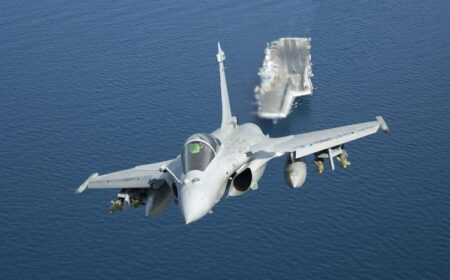
India has approved a ₹63,000 crore deal to acquire 26 Rafale Marine fighter jets from France, enhancing its naval capabilities. This agreement underscores strategic military collaboration between the two nations amid regional security concerns.
Armin Papperger, CEO of German arms manufacturer Rheinmetall, has emerged as a pivotal figure in European defense amid rising tensions with Russia. As the war in Ukraine escalates, Russian operatives reportedly see him as a key target, highlighting the critical role of defense leadership in geopolitics.
Ukraine has effectively neutralized Russia’s glide bombs, once deemed unstoppable. Through advanced countermeasures and improved air defense systems, Ukrainian forces have significantly diminished the impact of these precision munitions on the battlefield.
France and Germany are embroiled in a dispute over the “buy EU” initiative aimed at increasing defense spending and military cooperation within the bloc. Tensions rise as each nation advocates for its own armament industries, complicating collective security efforts.