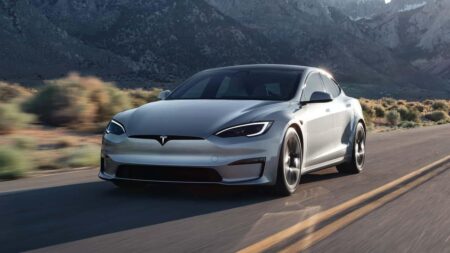
Canadian dealers are rallying for a major overhaul of the strict border regulations that currently hinder the import of unique vehicles, which often remain out of reach for American consumers. Supporters of this movement believe that relaxing these rules would not only enrich automotive diversity but also create exciting opportunities for enthusiasts on both sides of the border.
Browsing: automotive industry
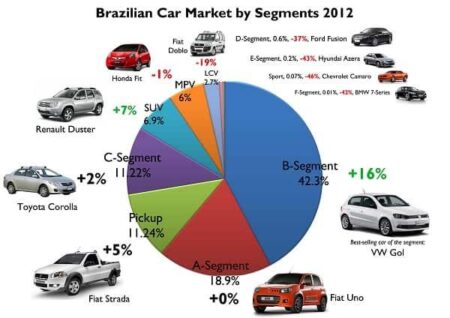
Brazil's auto market is sparking serious worries about U.S. tariff policy as automakers grapple with soaring costs and dwindling competitiveness. With tariffs on the rise, industry experts caution that these challenges could jeopardize American jobs and lead to higher prices for consumers.
Nissan is gearing up to broaden its global presence by exporting cutting-edge electric cars produced in China. This bold strategy is designed to capitalize on the surging demand for EVs around the globe, showcasing the automaker's dedication to sustainability and pioneering advancements in the automotive world.
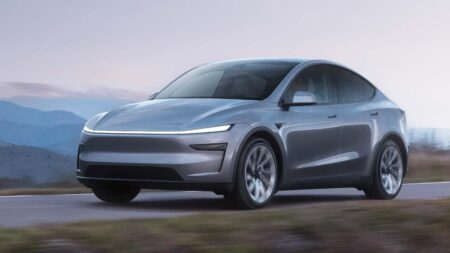
Tesla is actively pursuing a partnership with India to secure vital components for its electric vehicles. This strategic initiative not only aims to enhance local manufacturing but also to fortify supply chain resilience, showcasing India's emerging significance in the global EV landscape.
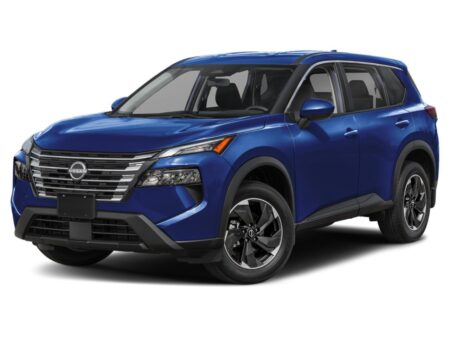
Nissan has revealed a major cutback in the production of its popular Rogue model for the US market, attributing this decision to the rising tariffs on imported vehicles. This shift highlights the hurdles that automakers are navigating in an ever-changing landscape of trade policies
Germany's Federal Cartel Office has concluded its investigation into Google's in-car services after the tech giant agreed to implement remedies addressing competition concerns. The decision marks a significant step in regulating digital services within the automotive sector.
Tesla, GM, and Rivian may face significant challenges following China's export ban on critical minerals essential for electric vehicle production. With supply chains disrupted, these automakers could struggle to maintain production levels and meet growing demand.
Ford Argentina reported a remarkable 99 percent increase in sales for March 2025, signaling a robust recovery in the automotive market. This surge reflects growing consumer demand and revitalized production efforts, positioning Ford for a strong year ahead.
In response to the recent tightening of auto tariffs by the United States, Canadian Prime Minister announced that Canada will implement matching tariffs. This move is aimed at protecting Canadian industries amid escalating trade tensions between the two countries.
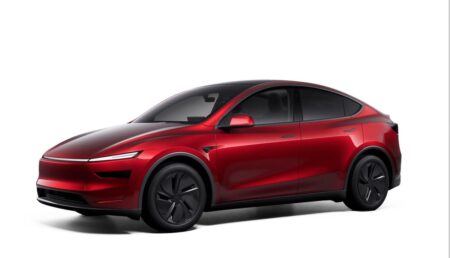
Tesla has halted new orders for two imported, US-made models in China, as reported by Reuters. This move reflects ongoing challenges in the Chinese market, where competition and regulatory pressures continue to intensify for the electric vehicle manufacturer.
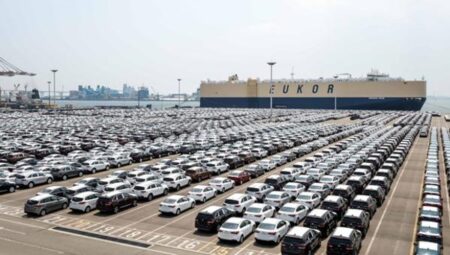
Japan faces a potential loss of $17 billion in car exports if the United States implements proposed tariffs, according to the UN trade agency. This move could significantly impact Japan's automobile industry, which is a vital part of its economy.
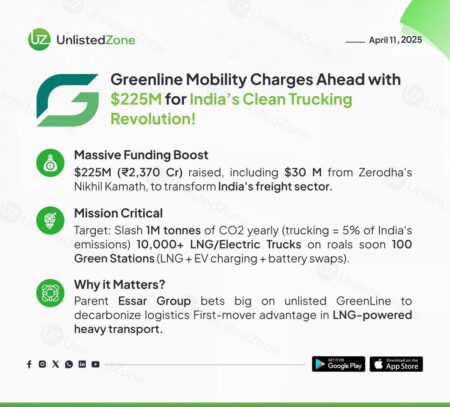
India's GreenLine Mobility announced a significant investment of $275 million aimed at decarbonizing its heavy truck fleet. This initiative underscores the country's commitment to sustainability and reducing carbon emissions in the transportation sector.
Wolftank Group has inaugurated its first hydrogen refueling station for the ACTIVA project in Spain, marking a significant step towards sustainable energy solutions. The station aims to bolster the adoption of hydrogen as a clean fuel alternative in transportation.
Canada-made automobiles are set to experience significant price increases in the U.S. market, attributed to recently imposed tariffs. Analysts warn that these higher costs could impact sales and competitiveness, raising concerns for Canadian manufacturers.
India has reportedly denied BYD's entry into its electric vehicle market, as a government minister expressed a clear preference for Tesla. The decision underscores rising trade concerns while highlighting India's push for foreign investment in the EV sector.
In response to the U.S. imposing tariffs on Canadian auto imports, Canada has announced reciprocal measures aimed at protecting its automotive industry. The move escalates trade tensions, as both nations confront the growing impact on their economies.
Starting April 9, Canada will implement counter-tariffs on U.S.-made vehicles. This move targets a range of automobiles and auto parts, potentially raising prices for consumers and impacting trade relations between the two nations.
In response to President Trump's tariffs, Canada has enacted a 25% levy on US auto exports, escalating trade tensions between the two countries. This move aims to protect Canadian manufacturers and counterbalance the economic impact of US tariffs.
Ford has officially announced that the 2025 Maverick will be making its way to Argentina. This decision marks a significant expansion for the brand in South America, as the compact pickup continues to gain popularity globally. Stay tuned for more details on availability.
Toyota's optimistic outlook during the Trump administration shifted dramatically as escalating tariff threats loomed over the auto industry. The potential financial impact raised concerns, prompting the company to reassess its U.S. production strategies.