

Valmik Thapar, the renowned Indian tiger conservationist whose relentless dedication championed the survival of this magnificent species, has passed away. His steadfast passion created a lasting legacy in wildlife preservation throughout India
Valmik Thapar, the renowned Indian tiger conservationist whose relentless dedication championed the survival of this magnificent species, has passed away. His steadfast passion created a lasting legacy in wildlife preservation throughout India
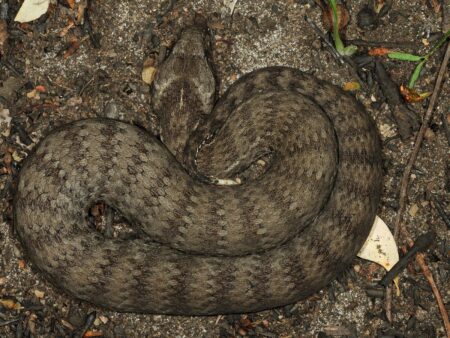
Australia’s deadliest animals are transforming their venom into powerful, life-saving medicines. From breakthrough painkillers to innovative heart treatments, this incredible paradox reveals how deadly toxins are revolutionizing healthcare and bringing new hope from the most unlikely sources

In the picturesque countryside of France, a vibrant movement is blossoming as farmers embrace chemical-free practices, transforming the landscape and rejuvenating local ecosystems. This sustainable approach not only enriches soil health but also nurtures biodiversity, infusing new energy into agricultural communities that were once facing challenges.
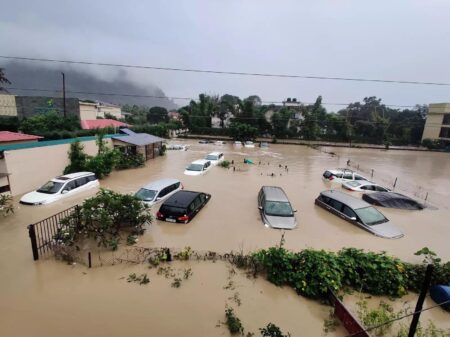
Catastrophic flash floods have wreaked havoc on a vital sanctuary for Australian wildlife, putting the homes of countless endangered species at serious risk. As rescue teams spring into action, authorities are diligently evaluating the extent of the damage and striving to safeguard the lives of those affected animals.
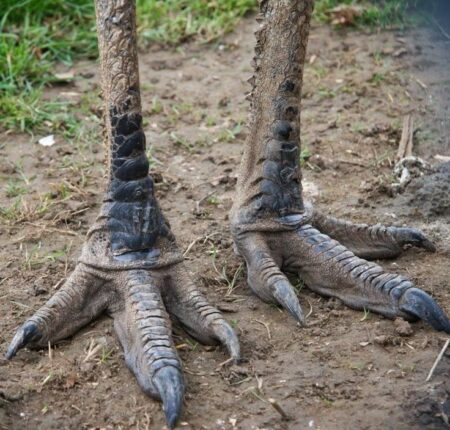
A captivating viral image showcasing the distinctive toes of emus has sparked a conversation about the pressing issue of invasive species in Australia. As these remarkable native birds grapple with habitat loss and the challenges posed by non-native wildlife, this striking photograph powerfully underscores the critical importance of conservation efforts.
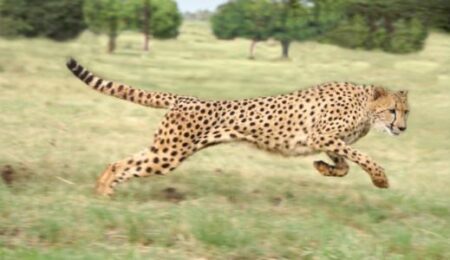
In 1932, Australia boldly declared ‘war’ on the relentless rabbit invasion, determined to rein in their explosive breeding and the havoc they wreaked on the environment. A biologist delves into the lasting effects of this extraordinary campaign and uncovers which side truly claimed victory in this epic battle.

A rare variety of garlic is on the brink of extinction, putting its extraordinary flavor and rich heritage at risk. One passionate woman has taken it upon herself to champion this culinary treasure, tirelessly promoting sustainable farming practices and shining a spotlight on the importance of biodiversity.
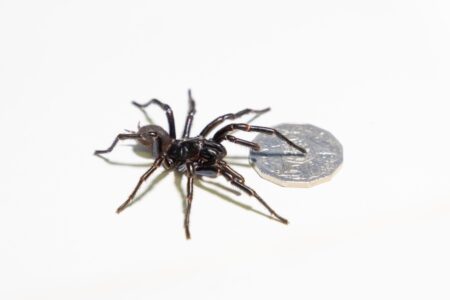
Meet Hemsworth, Australia’s largest funnel-web spider, who has become a sensation among entomologists and wildlife lovers! With its remarkable size and striking features, Hemsworth is a stunning example of the incredible biodiversity that defines Australia’s unique spider population.

Australia’s breathtaking natural wonders beckon adventurers on an exhilarating quest for the “big four”: the glistening sea that dances with light, mesmerizing fireflies that twinkle like stars, elusive platypuses hiding in serene waters, and the awe-inspiring whale sharks gliding gracefully through the ocean depths. This unforgettable journey reveals the vibrant ecosystems that make this nation truly extraordinary.

In a groundbreaking development, scientists have created a remarkable ‘super cannibal’ that stays in its larval stage indefinitely. This innovative approach could be the key to tackling Australia’s invasive cane toad crisis. By focusing on the intricate dynamics of the toad’s life cycle, this breakthrough offers a promising strategy for controlling their population and restoring balance to local ecosystems.

Australia’s dingoes are undergoing an exciting transformation, evolving into a unique species as they adapt to various environments and minimize interbreeding with domestic dogs. Researchers emphasize this remarkable shift, indicating that it could revolutionize conservation strategies for these iconic wild canines.
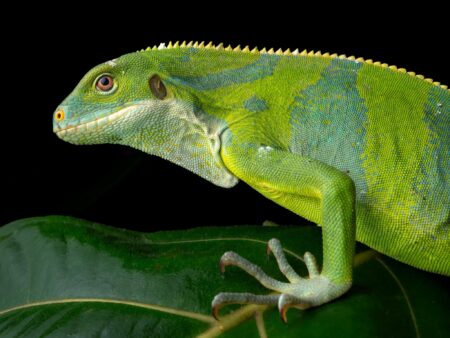
In an inspiring conservation milestone, critically endangered Fijian iguanas that were trafficked in Spain have found a new home at the San Diego Zoo. These remarkable reptiles, facing dire challenges in their natural habitat, are now integral to a dedicated program focused on their recovery and protection.
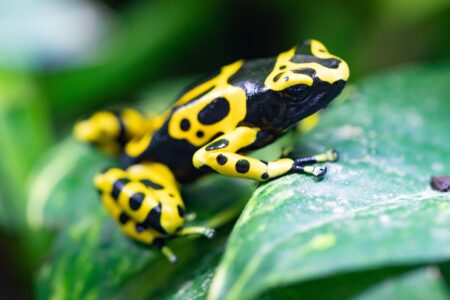
Exciting news from Brazil! Researchers have uncovered a fascinating new species of poisonous frog, renowned for its relentless calls that seem to echo through the rainforest. This unique vocalization is thought to be a clever strategy to attract potential mates. This remarkable discovery not only showcases the incredible biodiversity of the region but also underscores the urgent need for habitat preservation.
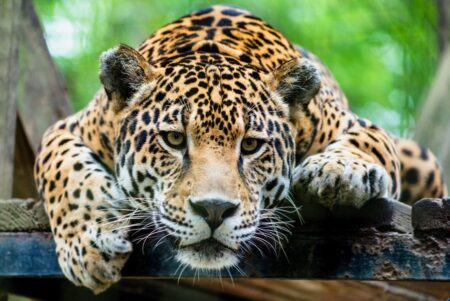
Deep within the enchanting expanse of Brazil’s Pantanal, nature lovers are treated to a breathtaking spectacle: the majestic jaguars, the largest of their kind on Earth, and the stunning hyacinth macaw, renowned as the biggest flying parrot. This sprawling wetland is a treasure trove of wildlife encounters, beckoning adventurers who are eager to immerse themselves in its extraordinary biodiversity.

The U.S. government has taken a bold step by endorsing deep-sea mining initiatives that sidestep United Nations regulations, igniting a firestorm of controversy. Greenpeace has fiercely criticized this move, warning that it jeopardizes delicate ocean ecosystems and undermines vital global conservation efforts.

The Brazil–China Researchers’ Symposium on Forests and Nature, organized by the UN Environment Programme, brought together leading minds to tackle the pressing challenges of climate change as we approach COP 30. Experts passionately underscored the importance of collaborative research, aiming to protect our precious ecosystems and champion sustainable practices for a healthier planet.

Australia is under fire as shocking reports reveal “sniper shooting” operations aimed at hundreds of koalas during wildlife management efforts. Activists are outraged, labeling these actions as “an embarrassment” and urgently demanding more compassionate solutions to safeguard this beloved endangered species.
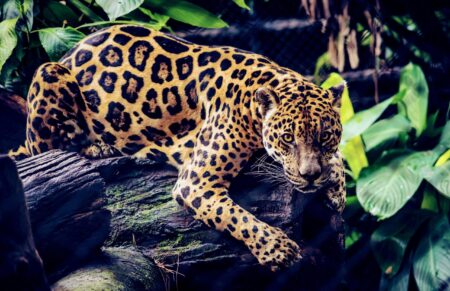
Brazil’s majestic jaguar population is in peril, as Global Witness reveals a shocking 27 million hectares of land have been cleared for agriculture and development. This extensive deforestation poses a dire threat not only to these magnificent creatures but also to the vital ecosystems they inhabit.

As climate crises intensify and geopolitical tensions rise, experts delve into the duration of our current apocalyptic mindset. With environmental degradation and pandemics looming large, these pressing threats test our resilience and call for immediate action.

President Trump’s trade war could unintentionally fuel the flames of deforestation in the Amazon. With rising agricultural demand and lax environmental safeguards, we may witness a surge in the exploitation of this vital rainforest, putting both biodiversity and climate stability at serious risk.