The U.S. is calling on Argentine President Javier Milei to reconsider the currency swap deal with China, raising alarms about Beijing’s growing footprint in Latin America. Experts caution that this move could further complicate Argentina’s already fragile economy, which is grappling with significant financial hurdles.
Browsing: China
China’s bold gold-buying spree has captured global attention. In a time of economic uncertainty and currency fluctuations, Beijing is on a mission to strengthen its financial stability and lessen its dependence on the U.S. dollar, all while establishing itself as a powerful contender in the international market.
The International Monetary Fund has unveiled a detailed evaluation of the People’s Republic of China’s financial sector, shining a light on potential systemic risks and proposing vital reforms to enhance stability. These insights emphasize the importance of remaining alert in the face of economic uncertainties.
China’s budget-friendly parcels are about to face new duties, shaking things up for both consumers and sellers alike. This policy change is designed to create a fairer competition for local products, but it could also mean that shoppers who depend on those wallet-friendly imports might see their costs rise
China’s factory activity is facing a downturn as escalating tariffs create a challenging trade environment. This contraction highlights rising worries about dwindling demand and soaring costs, all while international trade tensions cast a shadow over the manufacturing sector
China has skillfully navigated the challenges posed by U.S. tariffs implemented during former President Trump’s administration, ensuring that its economic recovery remains robust. Officials assert that a combination of strong domestic resilience and surging global demand is fueling this growth, even as trade tensions persist and continue to influence the economic landscape
China’s campaign to stifle dissent knows no borders, reaching all the way to France, where those who dare to oppose the regime encounter intimidation and harassment. Le Monde.fr shines a light on the alarming extent of Chinese influence, sparking urgent discussions about the vital issues of freedom of expression and human rights.
Trump’s trade war with China has thrust Japan into a challenging dilemma, compelling the nation to carefully balance its relationship with its crucial ally, the U.S., and its main trade partner, China. With tariffs on the rise, Japanese businesses are grappling with uncertainty as they strive to preserve their competitive edge in an increasingly volatile market.
As Canada gears up for its election, all eyes are on Mark Carney, who is now under intense scrutiny regarding his experience in China. Critics are quick to point out that his connections to Beijing could be a significant liability. With his background as the former governor of the Bank of Canada, many are questioning how these ties might influence his views on crucial national issues.
China has achieved a remarkable milestone with a record monthly re-export of liquefied natural gas (LNG), all while grappling with sluggish domestic demand. This unexpected surge hints at evolving global market dynamics, as the nation adapts to its shifting energy landscape.
Trump’s tariffs are shaking up global supply chains, causing a ripple effect of rising costs for both manufacturers and consumers. As businesses grapple with delays and the daunting maze of trade barriers, they find themselves in a state of heightened uncertainty. This turmoil not only complicates their operations but also poses significant challenges to our broader economic recovery efforts.
In a lively back-and-forth, China took a jab at former President Trump’s tariffs as both countries delve into strategies to cushion the economic blow. With tensions still simmering, officials are actively considering various options to tackle the trade repercussions affecting their industries and consumers
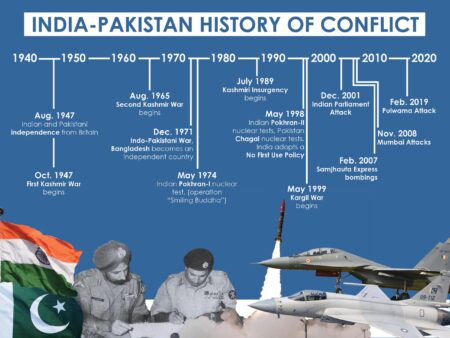
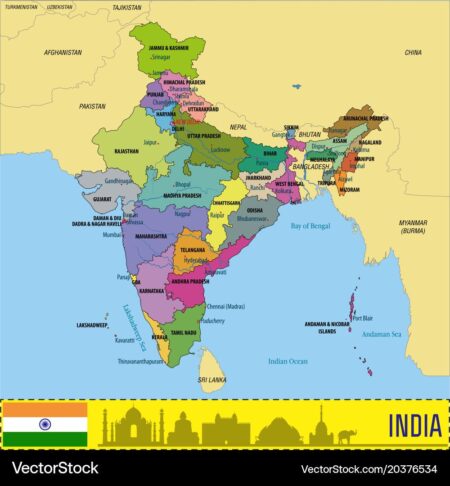
As tensions soar between India and Pakistan in the wake of the recent Pahalgam attack, former Army Chief Gen. (Retd.) Deepak Kapoor has weighed in, suggesting that China is unlikely to step into the fray. His insights shed light on the intricate geopolitical landscape that defines this volatile region.
In the wake of recent controversies, China’s BYD is turning its gaze towards Brazil, seizing the opportunity to supercharge its electric vehicle sales. With Brazil’s appetite for EVs on the rise, BYD is poised to strengthen its foothold in the vibrant South American market.
In a surprising twist, China has quietly lifted tariffs on select U.S.-made semiconductors, a strategic decision that may help to cool the simmering tensions between the two countries amidst ongoing trade disputes. The potential impact on the tech industry and the future of bilateral relations is yet to unfold.
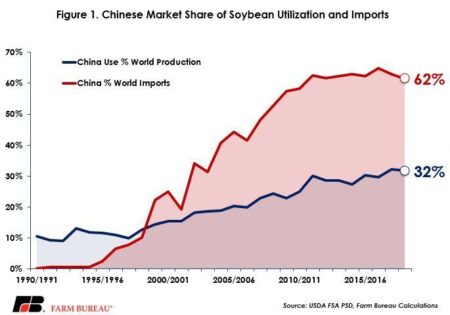
In March, China’s soybean imports from the U.S. skyrocketed, driven by a surge in demand as global supplies tighten. Yet, analysts believe that Brazil will maintain its stronghold in the market, capitalizing on its impressive production capabilities to satisfy China’s long-term requirements.
As China rapidly advances its military capabilities, India finds itself at a crucial crossroads. The ramifications of these shifts reach far beyond mere regional tensions, urging India to reevaluate its defense strategies and forge stronger international partnerships to ensure lasting stability
China is reportedly considering a bold step: exempting select U.S. products from tariffs. This strategic move could pave the way for a significant reduction in trade tensions between the two nations. As negotiations continue, this potential adjustment shines a glimmer of hope for stabilizing economic relations and fostering collaboration
Amid the rising tensions of the US trade war, China is doubling down on its dedication to maintaining domestic stability. Beijing is not just focusing on economic support; it’s actively championing resilience in the face of external challenges, all while striving to boost public confidence in its future.
As tensions soar in the Taiwan Strait, China’s military activities around Taiwan’s outlying islands are ramping up dramatically. These bold maneuvers not only jeopardize regional stability but also spark fears of possible military confrontations, underscoring the critical strategic significance of these territories.