
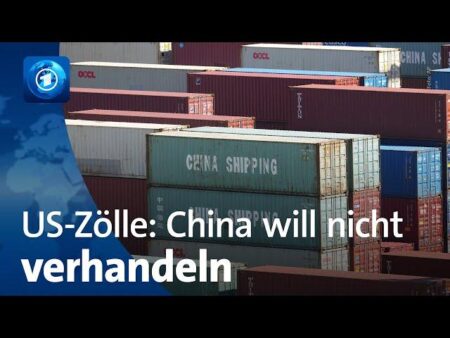
In response to ongoing trade tensions, China has increased fees for U.S. tourists, with some costs rising by as much as 104%. The move follows former President Trump’s tariff policies, reflecting the deepening economic rift between the two nations.
In response to ongoing trade tensions, China has increased fees for U.S. tourists, with some costs rising by as much as 104%. The move follows former President Trump’s tariff policies, reflecting the deepening economic rift between the two nations.
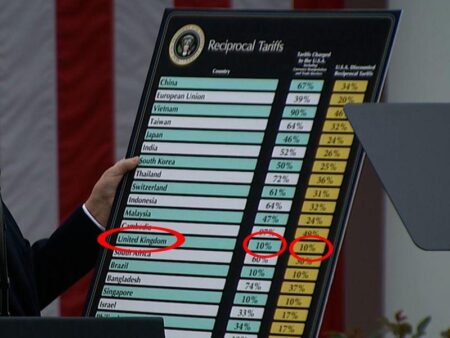
The Biden administration announced that tariffs on Chinese imports have reached a staggering 145%, a significant escalation in trade tensions between the two nations. This move aims to address ongoing concerns over China’s trade practices and economic policies.
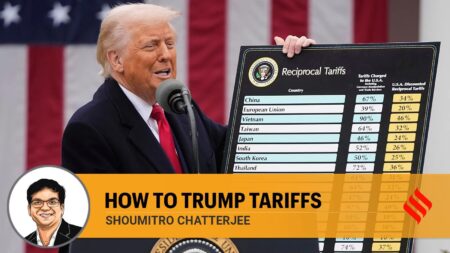
In a surprising move, President Trump announced a temporary pause on escalating tariffs, allowing for a 90-day window for negotiations. However, he simultaneously raised China’s levy to an unprecedented 125%, intensifying ongoing trade tensions.

India has reportedly denied BYD’s entry into its electric vehicle market, as a government minister expressed a clear preference for Tesla. The decision underscores rising trade concerns while highlighting India’s push for foreign investment in the EV sector.
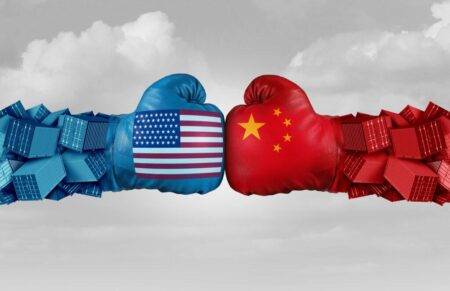
Tensions are rising as the US and China vie for influence over the Panama Canal, a crucial trade route. Panama finds itself in the middle of a diplomatic tug-of-war, with leaders navigating the complex geopolitical landscape amid escalating rhetoric.
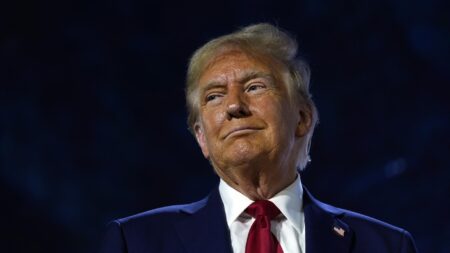
In a striking turn of events, Trump’s latest policies have intensified tensions between the U.S. and China, driving both nations closer to a potential economic decoupling. Analysts warn that this rift could reshape global trade dynamics for years to come.
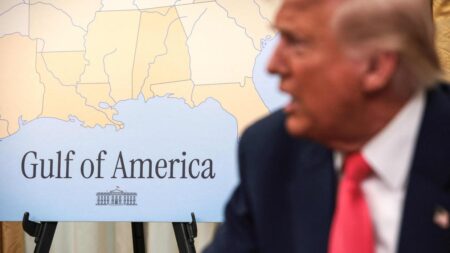
In a recent escalation of trade tensions, Trump’s proposed tariffs on Chinese goods are set to significantly impact ‘Main Street’ U.S. businesses that rely on Amazon. Experts warn that increased costs could crush small retailers struggling to compete.

Documents obtained by The Kyiv Independent reveal that over 160 Chinese nationals are fighting alongside Russian forces in Ukraine. This surprising revelation raises questions about foreign involvement in the conflict and its implications for international relations.

In a notable shift within China’s corporate landscape, some companies are encouraging employees to adopt a reduced work schedule. This move reflects a growing recognition of work-life balance, amidst rising concerns over burnout and workforce retention.

China has officially denied claims that its citizens are fighting alongside Russian forces in Ukraine. The statement comes amid rising concerns over foreign involvement in the conflict, as international scrutiny intensifies on China’s stance in the war.
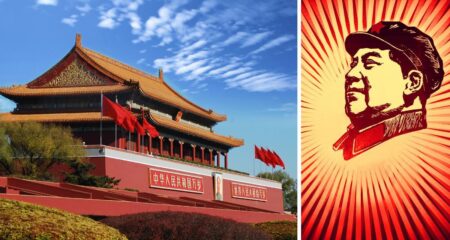
The U.S. intelligence community has issued a warning regarding China’s ongoing efforts to recruit American government employees. This initiative raises concerns about national security and the potential for espionage, underscoring the complex geopolitical tensions between the two nations.
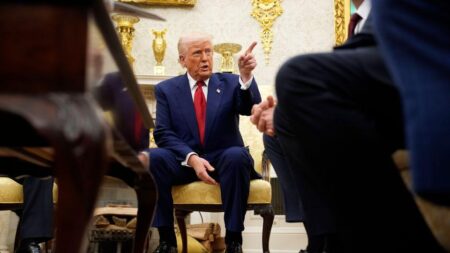
In a bold economic maneuver, President Trump has initiated sweeping tariffs against China, igniting a trade conflict with implications that could reverberate throughout the global market. Analysts warn this battle may stretch U.S. resources thin, challenging American competitiveness.
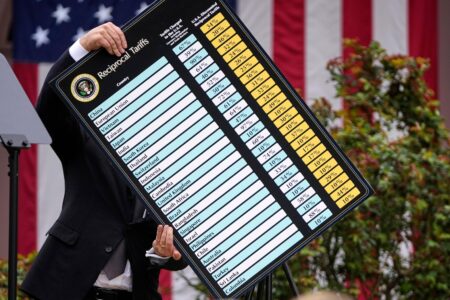
In a bold move, former President Donald Trump has threatened to impose an additional 50% tariff on Chinese imports, potentially driving total tariffs beyond the 100% mark. This escalation raises concerns about the impact on U.S.-China trade relations and global markets.

In a recent statement, Treasury Secretary Bessent criticized China’s recent aggressive actions, labeling them a “big mistake.” He emphasized that the country is operating from a “losing hand,” signaling potential economic repercussions amid rising tensions.
China and the U.S. are witnessing a surge in petrochemical trade, fostering closer ties amid an evolving global market. However, escalating tensions from the ongoing trade war could jeopardize these developments, casting uncertainty on future cooperation.
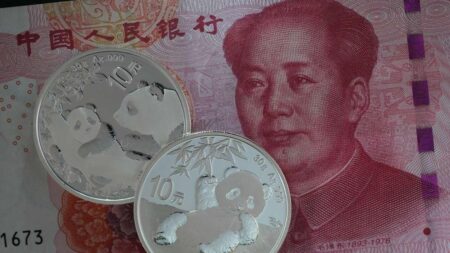
The yuan has emerged as a critical strategic barometer for China in the wake of tariff escalations. Analysts suggest that its fluctuations reflect broader economic resilience and shifting trade dynamics, influencing both domestic markets and global perceptions.
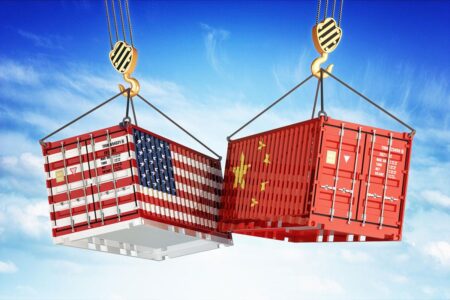
China has announced a 34% tariff on various U.S. imports in response to recent trade policies, escalating tensions between the two economic powerhouses. Analysts warn this move could further strain bilateral relations and impact global markets.
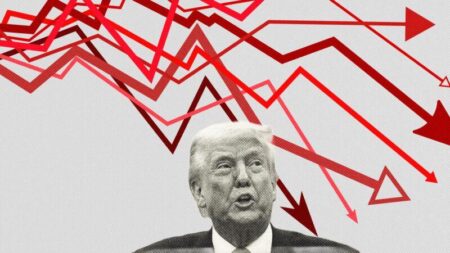
Trade tensions escalate as China’s retaliation to U.S. tariffs intensifies, prompting fears of a global economic slowdown. Markets react negatively, reflecting uncertainty and revealing the potential for prolonged trade disruption between the two powers.
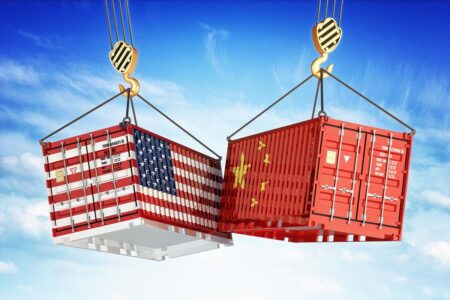
China has imposed a 34% tariff on select U.S. imports in response to escalating trade tensions. Analysts debate whether this move is a strategic escalation or a bid to de-escalate relations. The impact on global markets and diplomatic ties remains uncertain.

Amid escalating tensions in the US-China trade war, negotiations over a potential deal for TikTok have stalled, leaving the future of the popular social media app uncertain. Insiders suggest geopolitical factors could heavily influence the outcome.