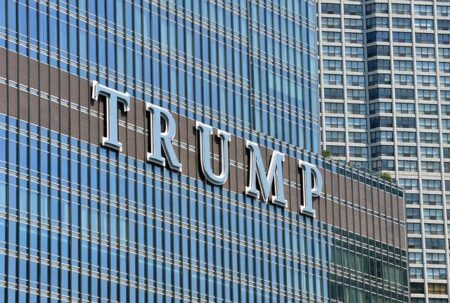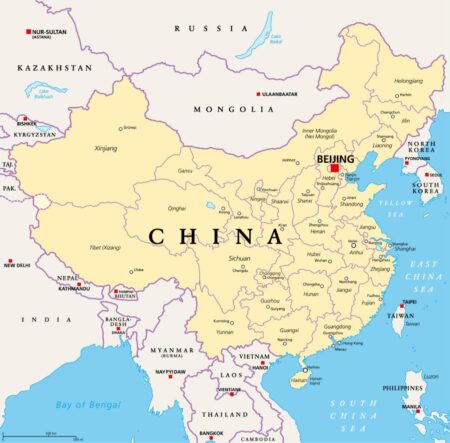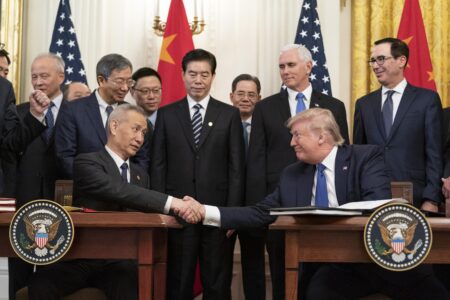
China has criticized former President Donald Trump’s rhetoric, accusing him of reverting to a “law of the jungle” approach in international relations. This condemnation underscores rising tensions as both nations grapple with complex diplomatic challenges.

Browsing: China
China has imposed new tariffs on Canadian agricultural products, escalating tensions between the two nations. This move marks a significant response to Canada’s recent criticisms of China’s domestic policies and trade practices, further straining bilateral relations.
In a striking shift, former President Trump has threatened new tariffs on Canadian lumber and dairy just one day after lifting duties on imports from Canada and Mexico. This move raises questions about trade relations and economic policy in North America.
China has officially retaliated against the tariffs imposed by Donald Trump, escalating the trade war between the two economic giants. The move signals a long-term response to protect its markets and interests, as both nations gear up for prolonged negotiations.
The U.S. plans to hold a hearing to examine China’s initiatives aimed at enhancing its semiconductor industry. This move highlights ongoing concerns over technological competition and national security as both nations seek dominance in critical tech sectors.
A new Senate bill aims to combat the surge of fentanyl entering the U.S. from China and Mexico. Lawmakers are pushing for enhanced border security and international cooperation to address the escalating opioid crisis and reduce drug trafficking.
The U.S. has enacted new tariffs on imports from Canada and Mexico, alongside increased tariffs on Chinese goods. This move, outlined by the law firm Clark Hill, aims to address trade imbalances and bolster domestic industries amid ongoing economic tensions.
China has issued a stern warning to the United States against any attempts at containment, particularly in light of the potential for Donald Trump’s second term to reshape diplomatic relations. Tensions rise as both nations navigate a complex geopolitical landscape.
China has announced its intention to “resolutely counter” U.S. tariffs, emphasizing a commitment to protect its economic interests amidst increasing trade tensions. The statement reflects ongoing struggles in bilateral relations and potential impacts on global markets.
Nepal’s newly constructed airport, built with Chinese investment, is set to welcome its first international flight, sparking cautious optimism among officials. They hope this milestone will boost tourism and strengthen regional connectivity.
Amid escalating tensions, Huawei’s DeepSeek AI technology faces stringent U.S. export controls, reshaping the competitive landscape of AI between the U.S. and China. This strategic maneuvering highlights the growing importance of technological dominance in global power dynamics.
In a recent address, Xi Jinping asserted China’s economic strength, emphasizing resilience in the face of global challenges. He reaffirmed the nation’s commitment to its sovereignty, signaling that China will not retreat from its strategic ambitions.
In response to escalating tensions in Trump’s trade war, Mexico, Canada, and China swiftly implemented new tariffs on U.S. goods. This retaliatory measure underscores the growing economic strain and uncertainty surrounding international trade relations.
As the US trade war intensifies, China is set to increase food imports from Latin America and Europe. This strategic shift aims to diversify its supply sources and strengthen economic ties, signaling a significant change in global trade dynamics.
China, India, Japan, Singapore, Australia, and New Zealand are spearheading a cultural tourism boom in the Asia-Pacific region. The focus on heritage and experiential travel is reshaping tourist experiences, attracting global visitors eager for immersion in diverse cultures.
Chinese warships have reportedly completed a circumnavigation of Australia, raising concerns over maritime security. This maneuver highlights China’s growing naval capabilities and its assertive presence in the Indo-Pacific region, prompting heightened vigilance from Australia and its allies.
Thailand is urging Germany to reassess its policy regarding submarine exports amid concerns that stringent regulations could jeopardize a significant deal with China. The request highlights Thailand’s strategic defense interests in the region.
Many Chinese observers perceive a cultural revolution unfolding in the United States, marked by heightened political polarization, social justice movements, and shifting norms. This evolving landscape prompts reflections on their own societal dynamics and values.
As US-China trade tensions escalate, African nations find themselves at a crossroads. With both superpowers seeking influence, countries must navigate complex trade dynamics, potentially reshaping their economies and diplomatic relations in the process.
As U.S. tariffs on various imports take effect, Mexico, Canada, and China respond with retaliatory measures, targeting American goods. This escalation raises concerns over escalating trade tensions and potential impacts on the global economy.