

Brazil’s Petrobras is supercharging fertilizer production to dramatically cut reliance on Middle Eastern imports. This ambitious move aims to strengthen domestic supply chains and enhance resilience amid global market uncertainties
Brazil’s Petrobras is supercharging fertilizer production to dramatically cut reliance on Middle Eastern imports. This ambitious move aims to strengthen domestic supply chains and enhance resilience amid global market uncertainties

The United Kingdom’s unwrought tin alloys market is on the rise, projected to skyrocket to 2.2K tons and $64 million by 2035, according to IndexBox. This remarkable surge is driven by soaring demand from the thriving electronics and manufacturing sectors

Japan’s lauric acid market is poised for steady growth, expanding at a 1.1% CAGR through 2035. This upward trend is fueled by rising demand from the thriving cosmetics and food sectors, according to IndexBox’s latest market forecast
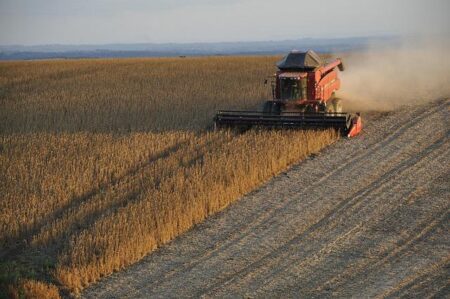
US soy futures slipped from recent peaks as Brazil’s soybean harvest races ahead, swelling global supply forecasts and intensifying pressure on prices in a market adjusting to a bumper crop outlook

China’s central bank has ramped up its gold reserves for the 15th consecutive month, highlighting a bold strategy to diversify assets amid persistent global economic uncertainties, Reuters reports

Copper prices have surged past $14,500 a ton, fueled by China’s explosive demand for metals that is sparking a dynamic market rally. This dramatic climb highlights the surge in industrial activity and reinforces copper’s crucial role in global supply chains

Brazilian traders report that January soy shipments are falling short of exporters’ expectations, signaling potential supply challenges on the horizon. Market watchers are closely monitoring for updated forecasts as global demand continues to intensify

China has now gone an unprecedented five consecutive months without purchasing a single bushel of U.S. soybeans, highlighting a dramatic drop in trade amid ongoing tensions and shifting global supply chains, reports Forbes
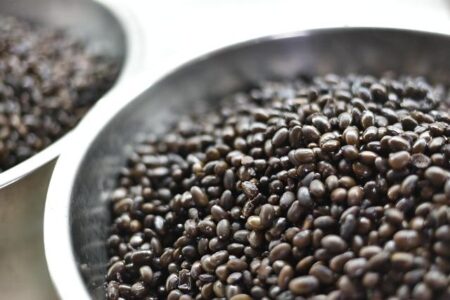
The latest Ag Economy Barometer reveals growing concerns among U.S. farmers over Brazil’s surging soybean production, hinting at tougher competition in the global market, the Southern Farm Network reports

Sugar prices slipped as India revealed a sharp rise in sugar production, calming worries about potential supply shortages. The market swiftly responded to forecasts highlighting increased output from the world’s second-largest sugar producer, Nasdaq reports

Copper shortages are intensifying the pressure on China’s smelters as this year’s fee negotiations heat up. With soaring demand clashing against limited supply, Bloomberg uncovers how these challenging market conditions are making pricing and contract talks more complex than ever

India’s voracious demand for affordable steel is sending shockwaves through global markets, driving environmental harm and sparking critical labor concerns. As prices soar worldwide, the country faces mounting economic challenges alongside pressing ecological crises

Farmers are raising the alarm as China leverages its colossal soybean purchases-totaling millions of tons-as a strategic weapon to pressure the U.S. in the intensifying trade war, leaving American growers feeling sidelined and betrayed, reports Fortune

Australia’s Prime Minister has raised alarm over reports that China has stopped buying BHP iron ore, signaling potential disruptions in trade ties and sending shockwaves through the commodity markets, Reuters reveals
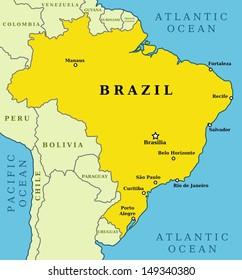
Brazil has launched a thorough investigation into Anglo American’s $500 million sale of its nickel business, the Financial Times reveals. Authorities are intensively examining the deal for potential regulatory and antitrust concerns

Australia is set to shake up China’s dominance in the graphite market, leveraging its enormous reserves to fortify critical supply chains. ASPI’s Strategist uncovers the powerful global ripple effects this game-changing move could unleash across industries everywhere

Brazil has firmly established itself as the world’s leading soybean exporter, fueled by soaring demand from China. This explosive growth not only underscores Brazil’s vital role in the global agricultural landscape but also marks a significant turning point in international trade dynamics

The UK’s crude maize oil market is set for steady and promising growth, with a CAGR of +1.8% projected from 2024 to 2035. According to IndexBox, the market value is expected to soar to an impressive $56 million by 2035

The UK’s halogenated hydrocarbon derivatives market is set to flourish, with an impressive projected growth rate of 3.5% CAGR, reaching a remarkable 1.1 million tons by 2035, as reported by IndexBox. This upward trend highlights a rising demand across diverse industries, indicating a vibrant and promising future for the sector.

The UK’s soybean oilcake market is set to witness a steady rise, with an anticipated CAGR of 0.5% leading up to 2035, as highlighted in a recent report by IndexBox. This gradual growth underscores the persistent demand from the livestock sector and the shifting preferences of consumers.