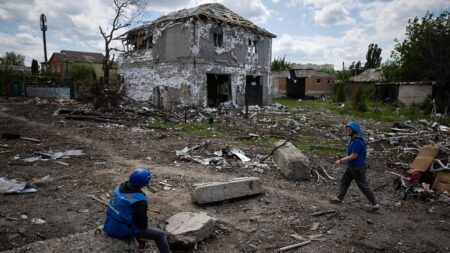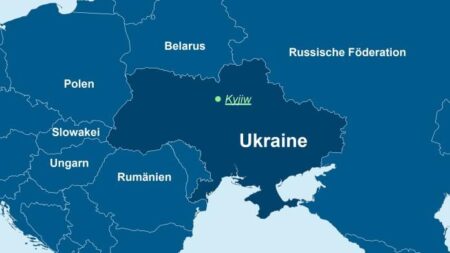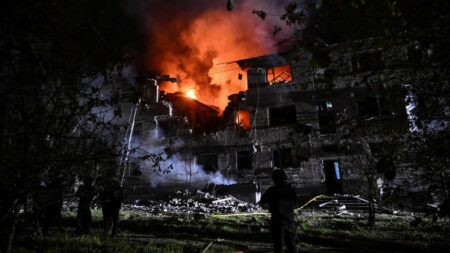
In a dramatic turn of events, Russia has unleashed its most extensive drone-and-missile assault on Ukraine to date, boldly disregarding earlier warnings from the Trump administration. This extraordinary attack zeroed in on vital infrastructure, intensifying concerns about a drawn-out conflict ahead.
Browsing: conflict
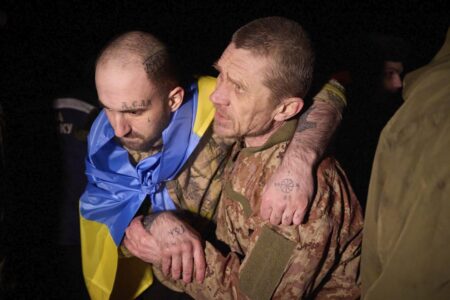
In a remarkable turn of events, Russia and Ukraine have executed a major prisoner swap, freeing 1,000 detainees. This pivotal exchange unfolds amidst a backdrop of intensified hostilities, as Moscow unleashes a sweeping drone and missile assault, further heightening the stakes in their ongoing conflict.
In a bold statement, former President Donald Trump took aim at Russian President Vladimir Putin, labeling him “absolutely crazy” for his reckless actions during the ongoing conflict in Ukraine. Trump emphasized the devastating toll of Putin’s decisions, declaring that he is “needlessly killing lots of people,” and shining a light on the heartbreaking humanitarian crisis that continues to unfold
Germany is urging for tougher sanctions against Russia as President Putin escalates military operations in Ukraine. Officials are highlighting the importance of a united European front to effectively combat Moscow’s aggression and uphold Ukrainian sovereignty
Russia is gearing up for another round of sanctions, ramping up the pressure on its already beleaguered economy. Yet, President Putin has faced economic hurdles in the past and may have a few tricks up his sleeve to soften the blow once more.
In a dramatic turn of events, Russia unleashed missile strikes on Kyiv just moments after a crucial prisoner swap was finalized, intensifying the already heightened tensions in the region. This attack signifies a critical juncture in the ongoing conflicts, sparking fears about the future of negotiations and overall stability.
Russian President Vladimir Putin announced the establishment of a “buffer zone” along the Russia-Ukraine border, amid ongoing tensions between the two nations. The move raises concerns about escalating military presence and the potential for further conflict.
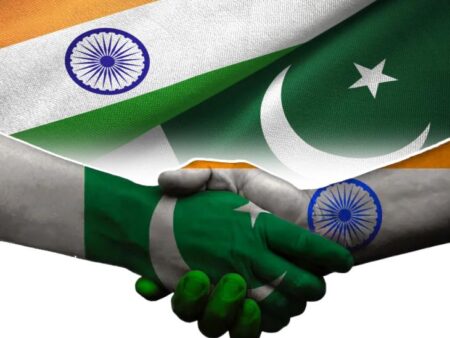
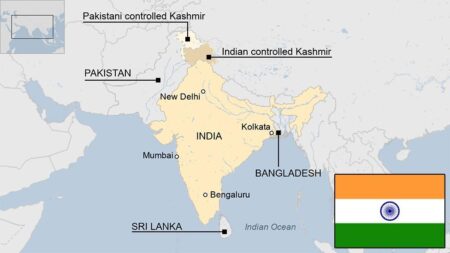
In a troubling turn of events, India and Pakistan have reignited their accusations of ceasefire violations along the Line of Control, despite a recent agreement intended to ease tensions. Each nation is pointing fingers at the other for breaching the terms, heightening worries about stability in this volatile region.
Russia has firmly rejected the Vatican as a possible location for peace talks concerning Ukraine, branding the idea as “vulgar.” This dismissal highlights the persistent diplomatic strains as attempts to find a resolution to the conflict continue to stumble.
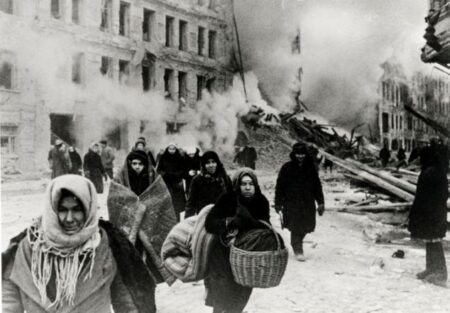
A courageous Russian survivor of the Leningrad Siege faced a fine for bravely standing up in protest against the war in Ukraine. This act of defiance underscores the escalating tensions within Russia, where those who voice opposition to the conflict are increasingly confronted with harsh legal repercussions.
In a bold response to U.S. influence, China has unveiled an impressive military infrastructure known as “the fortress.” This ambitious initiative showcases Beijing’s determination to strengthen its defenses and firmly establish its presence in the Asia-Pacific region, all while navigating rising tensions.
Amid Spain’s recent critique of Israel’s military actions, it’s essential to delve into the intricate tapestry of historical conflicts. This article invites readers to explore the deeper implications of Spain’s position, encouraging a thoughtful reflection on its own turbulent history.
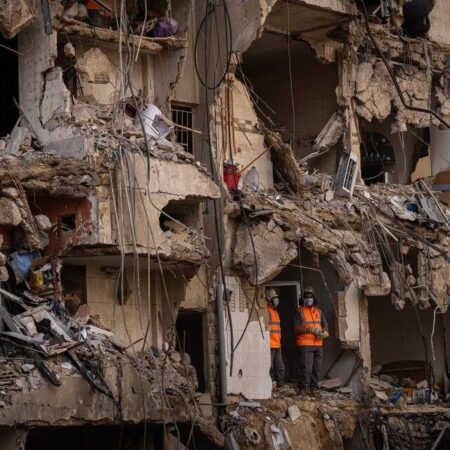
In a tragic turn of events, Israeli airstrikes in Gaza today have claimed the lives of at least 73 people, striking numerous displacement shelters in the process. As the humanitarian crisis worsens, urgent calls for a ceasefire grow louder.
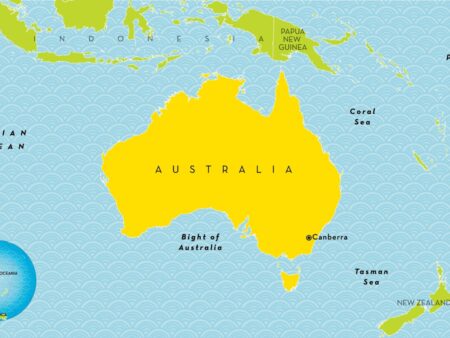
Australia has urgently urged Israel to allow humanitarian aid into Gaza, highlighting the critical situation as “the population faces starvation.” This plea arises amidst growing worries about the escalating conflict and its devastating effects on innocent civilians
The simmering tensions between India and Pakistan have reached a boiling point, with both nations exchanging fierce attacks. This alarming escalation has sparked fears of a possible military confrontation between two nuclear-armed powers. Experts caution that the precarious situation could lead to devastating repercussions for regional stability.
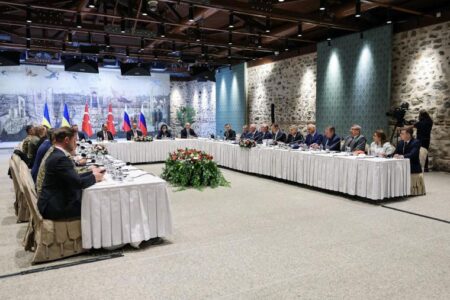
Ukrainian and Russian officials have touched down in Turkey, sparking hopes for dialogue, but peace negotiations remain elusive. As tensions continue to simmer, both sides tread carefully, underscoring the intricate challenges that stand in the way of a lasting resolution amid the ongoing conflict.
Ukrainians are left in shock as Russia brazenly disregards U.S.-brokered ceasefire efforts. Officials claim that Vladimir Putin is taking pleasure in what he sees as the weakness of Donald Trump’s administration. This blatant mockery not only challenges the integrity of international peace initiatives but also deepens the turmoil of an already ongoing conflict
In a dramatic turn of events, the talks between Ukraine and Russia in Istanbul wrapped up without a ceasefire agreement. Moscow remained firm on its demand for Kyiv to withdraw from four contested regions, underscoring the deep-seated tensions that continue to plague the conflict. These discussions revealed just how intricate and challenging the path to peace truly is.
The recent downing of an Indian fighter jet serves as a stark reminder of the evolving challenges faced by modern military forces. Analysts are sounding the alarm on vulnerabilities within air defense systems, emphasizing the urgent need for innovative tactics to counter escalating aerial threats in contested regions. This incident underscores the importance of adapting strategies to stay one step ahead in an increasingly complex battlefield.
Pakistan is ramping up its military capabilities by integrating advanced Chinese weaponry, a move that has sparked significant concern in New Delhi. Analysts are keeping a vigilant eye on this development, as it has the potential to reshape regional power dynamics and heighten tensions between these two nuclear-armed nations.