Italian Prime Minister Giorgia Meloni has firmly rejected a proposal from France and the UK to deploy soldiers to Ukraine. This decision underscores Italy’s stance on maintaining a diplomatic approach to the ongoing conflict, prioritizing dialogue over military involvement.

Browsing: Defense Policy
French nuclear deterrence plays a crucial role in Europe’s security landscape, especially amid rising tensions with Russia. By maintaining a credible nuclear arsenal, France aims to bolster collective defense frameworks and ensure stability against potential aggressions.
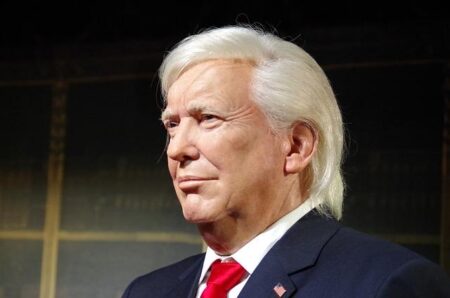
In a recent statement, former President Donald Trump indicated that the United States is willing to engage in nuclear discussions. This marks a significant shift in rhetoric surrounding arms control, as experts evaluate the implications for global security.
Secretary of Defense Pete Hegseth is set to embark on an official trip to Germany, Belgium, and Poland. The visit aims to strengthen military partnerships and discuss ongoing security challenges in Europe, underscoring the U.S. commitment to NATO allies.
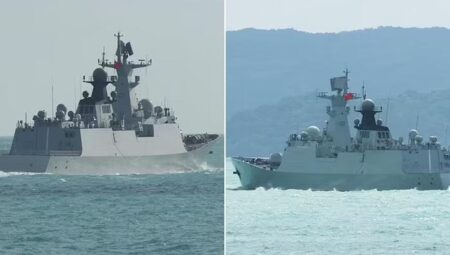
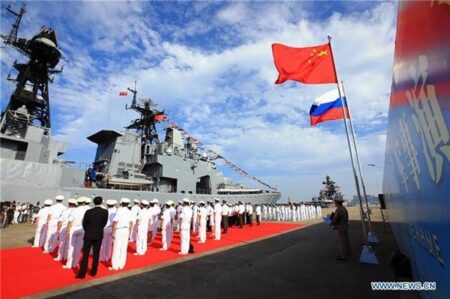
In a recent analysis, “The Strategist” highlights how Australia’s heightened military response to the presence of Chinese warships in the region inadvertently strengthens Beijing’s position. Such overreactions may embolden China’s assertiveness in the Indo-Pacific.
Western leaders made a significant visit to Kyiv on the war’s third anniversary, reaffirming their commitment to supporting Ukraine against Russia. The pledges include enhanced military aid, underscoring a united front in the ongoing conflict.
China has labeled recent military drills around Taiwan as “routine,” amid rising tensions. In response, Taipei has reported a significant uptick in Chinese military activities, heightening concerns over regional stability and the potential for conflict.
The UK government has announced a significant reduction in aid spending, reallocating billions to bolster military capabilities. This strategic shift reflects a growing emphasis on defense amid global security challenges, sparking debate over humanitarian priorities.
China’s recent live-fire naval exercises have sparked concern in Australia and New Zealand, despite no violations of international law. Analysts suggest regional security fears and the potential for escalated tensions in the Indo-Pacific are driving these apprehensions.
China has criticized Australia for “hyping” recent Chinese naval drills, calling the claims unfounded and politically motivated. This escalation in rhetoric reflects ongoing tensions between the two nations amid regional security concerns.
The NDIA emphasizes that while AUKUS reforms are progressing, significant challenges remain. Effective collaboration, resource allocation, and policy alignment among the U.S., UK, and Australia are crucial for the partnership’s long-term success in national defense.
China’s recent naval drill in the South China Sea has elicited a measured reaction from Australia and New Zealand. Both nations stress the importance of regional stability, emphasizing the need for dialogue amid rising geopolitical tensions.