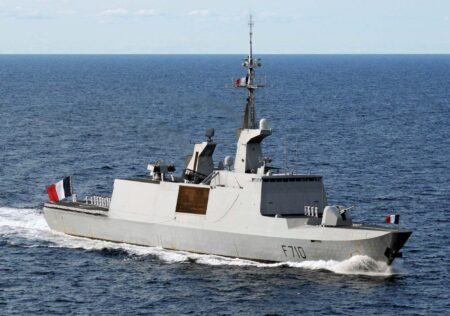
France’s defense industry is shifting towards a war footing, driven by escalating security concerns in Europe. The government aims to enhance military capabilities, ramping up production and investment to ensure readiness amid rising geopolitical tensions.
Browsing: defense spending
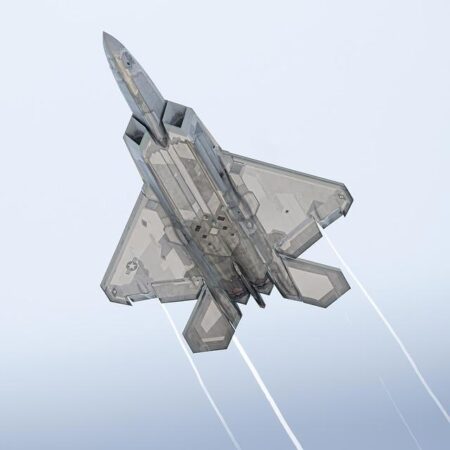
India is rapidly advancing its deployment of fifth-generation stealth fighter jets, enhancing its aerial capabilities amid regional tensions. Meanwhile, Pakistan is also stepping up its defense efforts, receiving assistance from China to bolster its military capabilities.
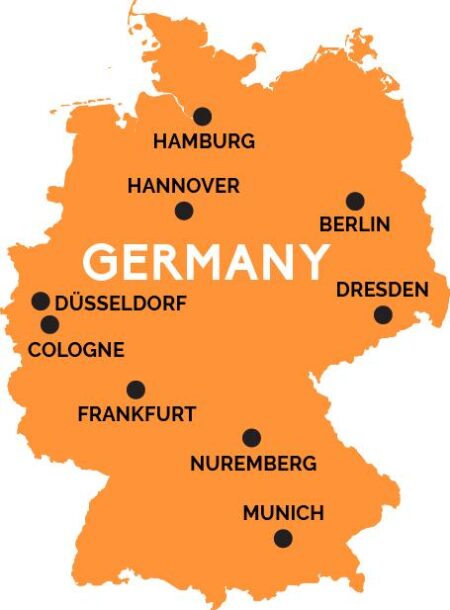
In a significant political shift, German leader Friedrich Merz has secured the support of the Green party for an increase in defense spending. This bolsters Germany’s military commitments and reflects heightened geopolitical tensions amid calls for a more proactive defense strategy.
In a significant policy shift, German leaders have reached an agreement to increase spending on defense and climate initiatives. This move reflects a commitment to bolster national security and address pressing environmental challenges.
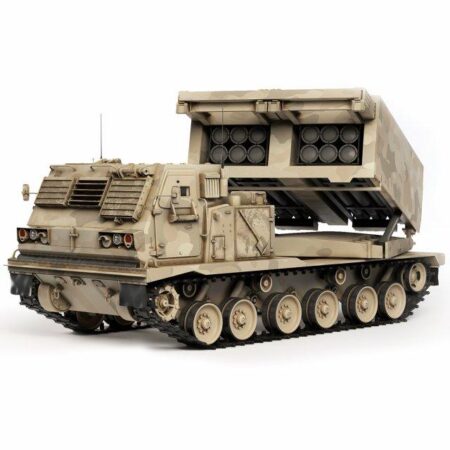
The United Kingdom is reportedly evaluating the acquisition of additional M270 Multiple Launch Rocket Systems (MLRS) to bolster its military capabilities. This move reflects ongoing efforts to enhance artillery support amid evolving defense needs and geopolitical tensions.
In a significant shift, Germany has committed to rearmament in response to rising global tensions. This decision reflects a renewed focus on military readiness and a pledge to enhance defense capabilities, signaling a potential transformation in European security dynamics.
The UK’s decision to expand its nuclear stockpile signals a shift in defense strategy, driven by perceived global threats. Enhanced infrastructure and deferred projects aim to ensure continuous at-sea deterrence, reinforcing the nation’s security posture.
In a recent op-ed for The Guardian, Peter Briggs argues that it’s time to abandon the flawed Aukus submarine program. He advocates for a comprehensive plan B, emphasizing the need for strategic reassessment and swift action to ensure national security and defense readiness.
German parties have reached a consensus to relax fiscal rules, enabling significant investments in military and economic reforms. This shift aims to fortify national defense and stimulate economic growth, reflecting a strategic response to emerging global challenges.
Germany’s likely next government is advocating for increased defense spending amid growing concerns about the United States’ commitment to European security. This shift reflects a reassessment of defense priorities in response to global geopolitical tensions.
In response to evolving geopolitical dynamics, Airbus Defense and Space CEO asserts that Germany must decrease its dependence on U.S. arms. This shift aims to enhance Europe’s defense autonomy and adapt to emerging security challenges.
Germany is rethinking its fiscal constraints to bolster European defense capabilities, signaling a shift in its long-standing budgetary policies. This move aims to enhance military readiness and strengthen NATO partnerships amid rising geopolitical tensions.
French nuclear deterrence plays a crucial role in Europe’s security landscape, especially amid rising tensions with Russia. By maintaining a credible nuclear arsenal, France aims to bolster collective defense frameworks and ensure stability against potential aggressions.
Britain is increasing its defense budget while simultaneously reducing foreign aid, a move reflecting heightened security priorities. This strategy comes ahead of Prime Minister Starmer’s pivotal discussions with President Trump, set to shape future diplomatic relations.
France is advancing its naval capabilities with plans to procure three additional frigates for the Marine Nationale. This move aims to strengthen maritime security and enhance operational readiness amid growing regional challenges. Further details are expected soon.
The U.K. government has announced plans to increase defense spending amid rising global tensions, while simultaneously cutting foreign aid budgets. This shift reflects a prioritization of national security over international development efforts.