
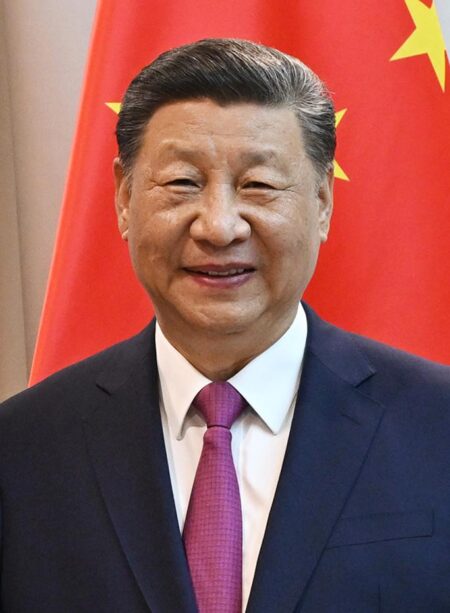
In a strategic move ahead of the anticipated unveiling of fresh tariffs by President Trump, Chinese President Xi Jinping has launched a charm offensive, seeking to strengthen diplomatic ties and showcase China’s global leadership.
In a strategic move ahead of the anticipated unveiling of fresh tariffs by President Trump, Chinese President Xi Jinping has launched a charm offensive, seeking to strengthen diplomatic ties and showcase China’s global leadership.

Russia’s strategic maneuvers in U.S.-led peace talks reveal a calculated approach that leverages disinformation and diplomatic feints, allowing it to shape narratives and gain concessions. This method not only undermines Western unity but also bolsters Moscow’s geopolitical influence.

Taiwan has rejected China’s complaint regarding a recent collision between a Taiwanese navy ship and a fishing trawler. Officials asserted that the incident occurred in Taiwan’s waters, emphasizing their commitment to safeguarding national interests at sea.
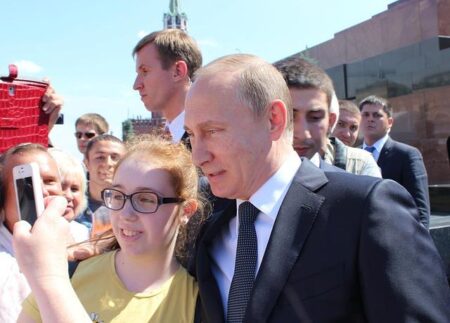
Despite ongoing geopolitical tensions, Russian President Vladimir Putin is signaling a willingness to enhance Arctic cooperation. He emphasizes the region’s strategic importance for trade and resource development, seeking collaborative efforts amidst global rivalries.

Canadian Prime Minister Justin Trudeau has issued a stark warning about the future of the US-Canada relationship, citing increasing trade threats as a catalyst for potential fundamental changes. This escalating tension could reshape their long-standing partnership.

Algeria has called on Spain to rethink its backing of Morocco’s autonomy proposal for Western Sahara. The request reflects ongoing tensions in the region, as Algeria emphasizes the need for a fair and negotiated resolution to the territorial dispute.
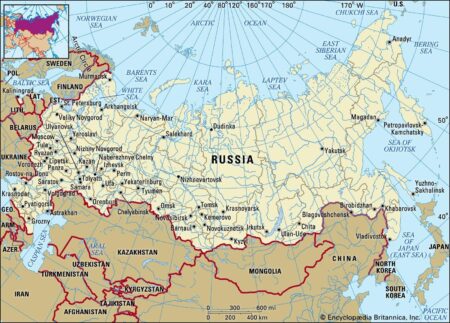
In a breakthrough negotiation, Russia and Ukraine have reached a cease-fire agreement in the Black Sea region, aimed at reducing tensions and fostering stability. Key details of the pact and its implications for regional security are under review.

Truce agreements between Ukraine and Russia face immediate challenges, as fresh reports of violations emerge within hours of their announcement. The fragile ceasefire highlights ongoing tensions and raises questions about the prospects for lasting peace in the region.

German and Austrian ministers have canceled a planned visit to Syria over safety concerns after receiving intelligence of a potential threat. The decision underscores ongoing security challenges in the region, affecting international diplomatic efforts.

Ukrainian President Volodymyr Zelenskiy has accused Russia of manipulating diplomatic agreements facilitated by the United States, undermining efforts to reach a resolution in the ongoing conflict. This statement highlights ongoing tensions in the region.

In light of the growing divisions fueled by former President Trump’s policies, the G7 nations are leveraging the “China card” to foster unity. By addressing shared concerns regarding China’s influence, they aim to reinforce collaboration among member states.
Former President Donald Trump suggested that Russia may be “dragging its feet” in peace negotiations regarding Ukraine. His comments come amid ongoing tensions and highlight concerns over the slow progress toward a resolution in the conflict.

In a recent development, Russia has signaled a retreat from the previously negotiated truce, raising tensions in the region. The move, reported by Semafor, casts uncertainty on peace efforts and highlights ongoing geopolitical challenges in the area.

In a recent diplomatic meeting, leaders from Brazil and Japan emphasized the vital roles of democracy and free trade in fostering global stability and economic growth. They stressed cooperation in these areas as essential for mutual development and prosperity.

The escalating conflict in Ukraine and the EU’s push for rearmament have intensified divisions within the Italian government. While some factions advocate for increased military support, others fear it could destabilize Italy’s diplomatic posture and economic priorities.

An updated map of Ukraine highlights territories that Russia is reportedly demanding in ongoing negotiations. As the conflict continues, these regions represent strategic interests for both nations, complicating efforts for a lasting resolution.

A Russian negotiator described recent talks with U.S. officials regarding Ukraine as “useful,” indicating a potential shift in diplomatic efforts. He emphasized the importance of involving the United Nations to facilitate negotiations and achieve lasting peace.

During recent talks in Saudi Arabia, U.S. and Russian officials addressed the issue of shipping safety in the Black Sea, according to Russian Foreign Minister Sergey Lavrov. The discussions highlight ongoing international concerns over maritime security in the region.
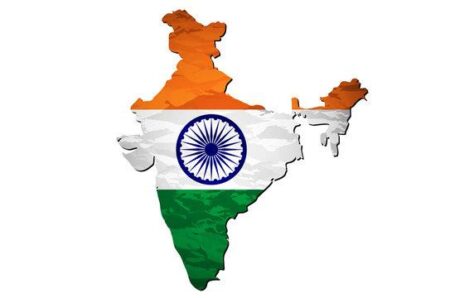
As global power dynamics shift toward a G2 framework dominated by the U.S. and China, India’s position emerges as a potential third wheel. This article explores India’s strategic options and challenges as it navigates its role in an increasingly polarized world.

Russia and Ukraine are set to engage in U.S.-mediated talks in Riyadh, aiming to address ongoing tensions and conflicts in the region. Key diplomatic stakeholders hope this meeting will pave the way for a potential resolution and enhanced dialogue.