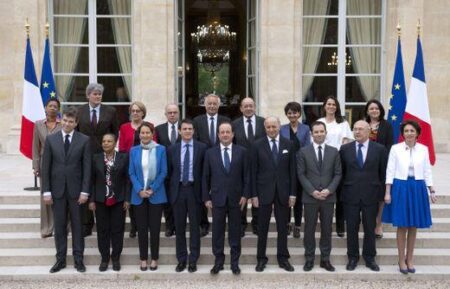
The French government is facing a mounting crisis as widespread protests and political unrest rock the nation’s stability. Economic growth is slowing, while soaring inflation and rising unemployment add fuel to an already strained system
Browsing: economic crisis
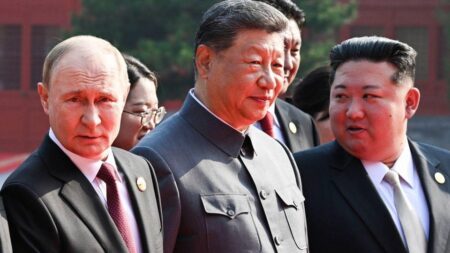
A close ally of Vladimir Putin has issued a stark warning about the Russian economy, highlighting growing risks of a deep recession as sanctions tighten and geopolitical tensions escalate, Newsweek reports
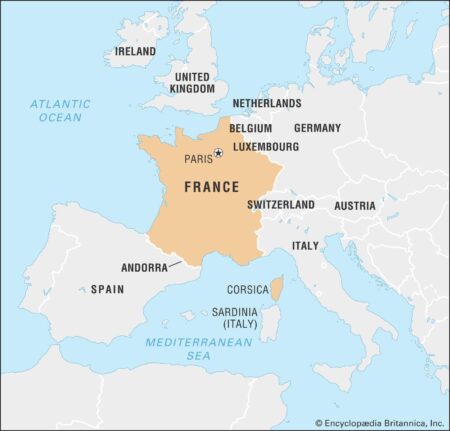
France’s soaring debt and political unrest have sparked growing fears of an imminent financial crisis. Experts warn that if these issues remain unresolved, France could trigger a domino effect, shaking markets throughout Europe and beyond
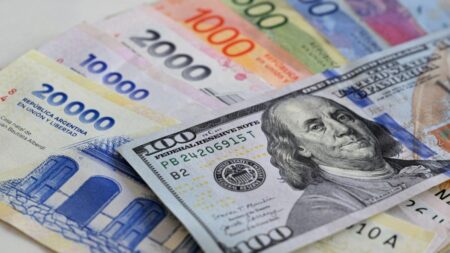
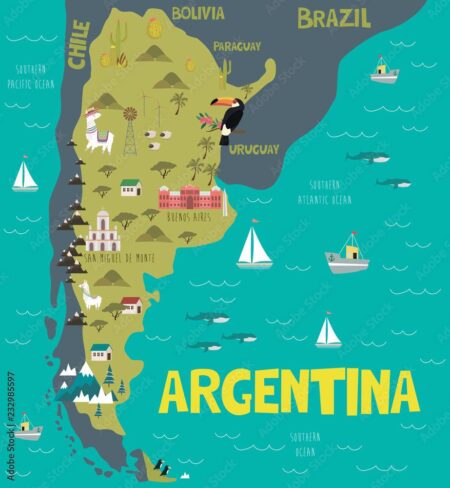
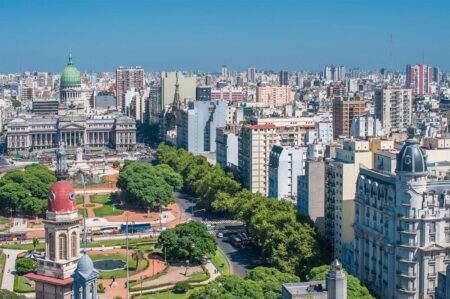
The U.S. dollar exchange rate in Argentina has soared to an unprecedented AR$1,380, underscoring the nation’s escalating economic crisis. This sharp plunge in the peso’s value is fueling soaring inflation and putting immense pressure on everyday budgets, reports the Buenos Aires Herald
When politicians manipulate economic data, transparency vanishes and investor confidence plummets. Argentina’s experience powerfully highlights these dangers, showing how skewed statistics can deepen crises and derail effective policy decisions
China’s economy is caught in a relentless downward spiral, weighed down by slowing growth, soaring debt, and weakening global demand. Experts warn that this dangerous cycle could destabilize the nation and erode China’s power on the world stage
Argentina’s Economy Minister Milei is taking bold action to rein in the currency market as the peso supply surges, aiming to stabilize the fragile economy amid soaring inflation and a sharp rise in capital flight, Bloomberg reports
Pavel Durov, founder of Telegram, has delivered a powerful warning about France’s future, painting a vivid picture of a nation on the brink of societal collapse amid rising civil unrest and growing government failures. His remarks highlight deepening concerns over the country’s social stability
Argentina is facing a growing debt crisis that is straining its economy and edging the nation dangerously close to default. Experts warn that without rapid and far-reaching structural reforms, the country’s financial stability may be severely threatened
In a heartfelt sermon, the Archbishop of Buenos Aires passionately condemned the escalating poverty and struggles endured by pensioners in Argentina. He urged immediate action to tackle the pressing economic challenges, shining a light on the growing social crisis that is impacting vulnerable communities across the nation
In a daring shift, Argentine President Javier Milei’s revolutionary economic reforms, often described as a “chainsaw,” are making waves as inflation takes a nosedive and investments flourish. While critics voice their apprehensions, supporters passionately contend that it’s high time for bold measures to revitalize the faltering economy.
In a significant policy shift, President Javier Milei has lifted tight currency and capital controls in Argentina, aiming to stimulate economic growth. This move is expected to increase market confidence but may also raise concerns about inflation and financial stability.
Argentina’s recent $20 billion financial rescue has sparked crucial discussions about its economic trajectory. Experts are diving deep into pressing topics like debt sustainability, strategies for controlling inflation, and the potential effects on social stability as the nation navigates ongoing challenges.
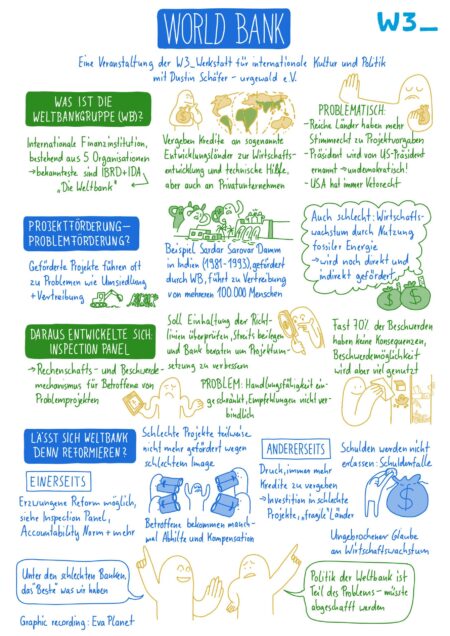
The IMF and World Bank have greenlit exciting new bailout packages for Argentina, designed to bolster its economy in the face of persistent inflation challenges. These vital measures are set to offer essential support as the nation charts a course through financial uncertainty.
The World Bank is gearing up to unveil a remarkable $12 billion financing package for Argentina, designed to give a much-needed boost to the nation’s faltering economy. This substantial investment arrives at a critical time, as the country grapples with persistent challenges like soaring inflation and currency fluctuations, according to reports from Reuters.
Argentina’s recent IMF deal marks a critical financial maneuver aimed at stabilizing its economy. Negotiations involved stringent fiscal reforms and commitments to reduce inflation, showcasing the government’s resolve to navigate ongoing economic challenges.
In a significant economic shift, President Javier Milei has announced the end of Argentina’s strict currency controls, known as the “cepo,” following the IMF board’s approval of a US$20-billion bailout. This move aims to restore market confidence amid ongoing financial turmoil.
Thousands of Argentinians took to the streets in a general strike to protest President Javier Milei’s ‘chainsaw’ austerity measures. Demonstrators demanded an end to cuts that they claim threaten social welfare and deepen economic inequality in the nation.
Argentina has secured a $20 billion deal with the International Monetary Fund (IMF) to support President Javier Milei’s ambitious economic reforms. The agreement aims to stabilize the nation’s economy amid ongoing inflation and fiscal challenges.
Tens of thousands across Spain took to the streets over the weekend to protest the escalating housing crisis, demanding affordable housing and government intervention. The demonstrations reflect growing frustration over rising rents and inadequate housing policies.